In today’s fast-paced sports industry, emerging technologies are reshaping how careers in sports marketing evolve and thrive. From AI-driven fan engagement to immersive virtual experiences, these innovations are unlocking new opportunities and redefining traditional roles.
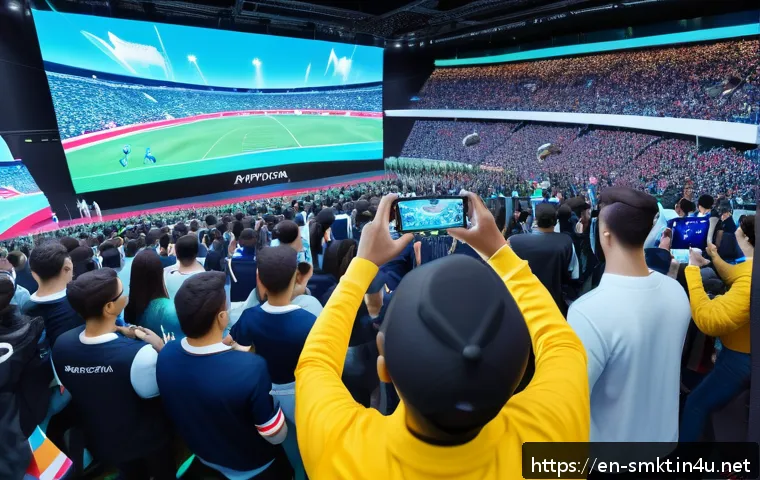
If you’ve been curious about where the future of sports marketing is headed, now is the perfect time to dive in. As technology continues to push boundaries, professionals who adapt quickly will find themselves at the forefront of this exciting transformation.
Let’s explore how these cutting-edge tools are revolutionizing the field and what it means for aspiring marketers.
Transforming Fan Interaction Through Personalized Experiences
Leveraging Data Analytics for Tailored Campaigns
In the current sports marketing landscape, the shift towards hyper-personalized fan engagement is impossible to ignore. Brands and teams are no longer relying on generic messaging; instead, they utilize sophisticated data analytics to understand individual fan preferences.
By analyzing purchasing history, social media behavior, and even biometric data from wearable devices, marketers create campaigns that resonate on a personal level.
I’ve noticed that when campaigns speak directly to a fan’s favorite player or team moment, the emotional connection deepens, leading to higher engagement and conversion rates.
This approach not only boosts ticket sales but also enhances merchandise revenue and digital content consumption.
Interactive Platforms That Boost Real-Time Engagement
Another game-changer has been the rise of interactive platforms that allow fans to actively participate during live events. Whether it’s through second-screen apps that offer polls, trivia, or augmented reality (AR) features, the fan experience is becoming increasingly immersive.
I’ve tried some of these platforms myself, and the excitement of influencing game-day content or accessing exclusive behind-the-scenes footage creates a unique bond between fans and brands.
Sports marketers who master these tools can significantly increase dwell time on digital properties, which in turn attracts premium advertising deals.
Building Communities Beyond the Stadium
Sports marketing today extends far beyond the physical confines of stadiums and arenas. Virtual fan clubs, social media groups, and exclusive online forums foster a sense of community that lasts all year round.
From my experience, fans appreciate when brands facilitate genuine interactions, like Q&A sessions with athletes or fan-led content creation contests.
This continuous engagement nurtures loyalty and transforms casual viewers into lifelong supporters, which is invaluable for sustained revenue streams.
Integrating AI to Enhance Strategic Decision-Making
Automating Market Research and Trend Analysis
Artificial intelligence is becoming an indispensable ally for sports marketers by automating complex market research tasks. Instead of manually sifting through mountains of data, AI algorithms quickly identify emerging trends and fan sentiments from social media and news sources.
Having observed this in action, I can attest that AI-driven insights allow marketing teams to pivot strategies rapidly, capitalizing on real-time opportunities that traditional methods would miss.
This agility is critical in a world where fan interests shift overnight.
Optimizing Content Delivery with Predictive Models
Predictive analytics powered by AI also revolutionize how content is distributed across channels. By forecasting which types of content will perform best at specific times, marketers can schedule posts, videos, and advertisements for maximum impact.
I’ve noticed that campaigns using predictive models tend to see better click-through rates and engagement because they deliver the right message to the right audience at the right moment.
This precision reduces wasted ad spend and improves overall ROI.
Enhancing Sponsorship Activation
Sponsorship deals are a cornerstone of sports marketing, and AI tools help brands measure and optimize their activation efforts more effectively. Real-time data on fan interactions with sponsored content enables marketers to tweak campaigns dynamically, ensuring sponsors receive tangible value.
From what I’ve seen, this data-driven approach strengthens partnerships and opens doors for more innovative collaborations in the future.
Immersive Technologies Changing Content Creation
Virtual and Augmented Reality Experiences
Virtual reality (VR) and augmented reality (AR) have moved beyond gimmicks to become powerful storytelling tools in sports marketing. Fans can now virtually step into locker rooms, watch games from the perspective of their favorite players, or participate in AR-enhanced challenges.
I had the chance to test an AR fan zone at a recent event, and the level of engagement was astonishing—fans lingered longer and shared their experiences widely on social media, driving organic reach.
Marketers who harness these technologies can create memorable moments that elevate brand affinity.
360-Degree Video and Live Streaming Innovations
The demand for immersive video content has skyrocketed, pushing sports marketers to adopt 360-degree cameras and advanced live streaming solutions. These formats let fans explore every angle of a game, providing a more dynamic viewing experience.
I’ve noticed that when fans control their viewing perspective, their emotional investment in the event intensifies, which translates into higher subscription rates and increased ad impressions.
Utilizing AI for Automated Content Generation
AI isn’t just about data analysis; it’s also making waves in content production. Tools that generate highlight reels, write match summaries, or even create personalized video messages are becoming commonplace.
I found that automating these repetitive tasks frees up creative teams to focus on strategic initiatives, improving overall campaign quality. Plus, faster content turnaround keeps fans engaged with timely updates that feel fresh and relevant.
Social Media Evolution and Influencer Collaborations
Micro-Influencers as Authentic Brand Ambassadors
While celebrity endorsements remain valuable, sports marketing increasingly leans on micro-influencers—those with smaller but highly engaged followings.
From my experience collaborating with such influencers, their authenticity and niche appeal often drive more meaningful fan interactions. Brands working with micro-influencers see improved trust levels, as these creators speak directly to communities passionate about specific sports or teams.
Ephemeral Content and Stories Formats
Ephemeral content, like Instagram and Snapchat Stories, offers a unique opportunity to create urgency and exclusivity around sports marketing messages.
I’ve observed that fans respond well to behind-the-scenes snippets and limited-time offers delivered through these formats. The fleeting nature of the content encourages frequent visits and higher engagement, which benefits advertisers aiming for quick impact.
Real-Time Social Listening for Crisis Management
Social media’s speed is a double-edged sword, requiring marketers to be vigilant in monitoring fan sentiment. Advanced social listening tools now allow instant detection of negative trends or controversies.
From personal observation, rapid response to fan concerns not only mitigates damage but can also turn critics into advocates when handled transparently.
This proactive approach strengthens brand reputation in a highly connected world.

Data Privacy and Ethical Marketing Practices
Balancing Personalization with Privacy Regulations
With the growing emphasis on data-driven marketing, respecting fan privacy has never been more critical. Laws like GDPR and CCPA impose strict guidelines on how personal data is collected and used.
I’ve seen companies that prioritize transparency and give fans control over their information build deeper trust and long-term loyalty. Ethical marketing practices aren’t just compliance requirements—they’re competitive advantages.
Building Trust Through Clear Communication
Communicating data usage policies in simple, accessible language helps demystify the process for fans. From experience, when fans understand how their data enhances their experience without compromising security, they’re more willing to share information.
This openness fosters a partnership mindset, where fans feel valued rather than exploited.
Implementing Secure Technologies
Finally, investing in secure data infrastructure is essential to protect fan information from breaches. I’ve worked with marketing teams that integrate encryption and regular audits to safeguard sensitive data, which reassures both fans and partners.
In an era of rising cyber threats, this commitment to security reflects positively on a brand’s integrity.
Monetizing Digital Platforms with Innovative Strategies
Subscription Models for Exclusive Content
Many sports marketers are tapping into subscription services to offer premium content like behind-the-scenes footage, expert analysis, and early access to tickets.
From what I’ve witnessed, fans are willing to pay for insider access, especially when it’s bundled with interactive features or merchandise discounts.
This recurring revenue stream adds stability in a traditionally volatile market.
Dynamic Advertising and Programmatic Buying
Dynamic ad insertion and programmatic buying allow marketers to deliver tailored advertisements in real time across multiple digital touchpoints. I’ve noticed campaigns using these methods achieve higher click-through rates and better conversion metrics because ads feel more relevant to viewers.
Additionally, programmatic platforms enable efficient budget allocation, maximizing return on investment.
Gamification and Reward Systems
Incorporating gamification elements like points, badges, and leaderboards into digital platforms encourages ongoing fan participation. I personally found that fans respond enthusiastically to challenges that reward engagement with tangible perks, such as discounts or exclusive experiences.
These systems not only increase time spent on brand channels but also foster a sense of achievement and loyalty.
| Technology | Impact on Sports Marketing | Example Use Case | Benefit to Marketers |
|---|---|---|---|
| AI-Powered Analytics | Enables real-time trend detection and personalized campaigns | Predictive content scheduling on social media | Increased engagement and optimized ad spend |
| Virtual/Augmented Reality | Creates immersive fan experiences beyond traditional viewing | AR fan zones during live matches | Higher fan retention and social sharing |
| Interactive Platforms | Facilitates real-time participation and community building | Second-screen apps with live polls | Extended digital dwell time and sponsorship value |
| Social Listening Tools | Monitors fan sentiment and manages brand reputation | Instant alerts for negative social media trends | Proactive crisis response and trust building |
| Subscription Services | Generates steady revenue through exclusive content | Paid access to behind-the-scenes videos | Predictable income and enhanced fan loyalty |
Shaping the Future of Sports Marketing Careers
Developing Cross-Disciplinary Skills
As technology continues to evolve, sports marketing professionals must blend creativity with technical know-how. From my observations, those who master data analysis, content creation, and digital advertising tools stand out in the job market.
Employers increasingly look for candidates who can interpret analytics to craft compelling narratives, bridging the gap between numbers and storytelling.
Staying Agile in a Rapidly Changing Environment
The sports marketing field is dynamic, with new platforms and trends emerging constantly. Professionals who embrace continuous learning and adapt quickly tend to thrive.
I’ve seen colleagues who regularly upskill in AI applications or immersive tech gain competitive advantages, positioning themselves as innovators rather than followers.
Building Networks and Collaborations
Finally, building strong relationships within and beyond the sports industry is crucial. Collaborating with tech developers, influencers, and media partners enriches campaign possibilities.
From personal experience, networking opens doors to unique projects and insights that can accelerate career growth in this exciting, tech-driven era.
Closing Thoughts
Sports marketing is evolving rapidly, driven by technology and data-driven strategies that create deeper connections with fans. Personalization, immersive experiences, and ethical practices are shaping how brands engage audiences today. Embracing innovation while maintaining genuine relationships will be key to future success in this dynamic field.
Helpful Information to Know
1. Personalized campaigns increase fan loyalty by connecting on an individual level, boosting sales and engagement.
2. Interactive platforms enhance real-time participation, extending digital engagement and sponsorship value.
3. AI-powered tools streamline market research and optimize content delivery, improving campaign efficiency.
4. Immersive technologies like VR and AR create memorable fan experiences that drive social sharing and retention.
5. Ethical data practices build trust and long-term relationships, ensuring compliance and positive brand reputation.
Key Takeaways
To succeed in modern sports marketing, professionals must leverage technology thoughtfully while prioritizing authentic fan interactions. Utilizing data analytics and immersive tools can significantly enhance engagement and revenue, but respecting privacy and communicating transparently remain essential. Continuous learning and collaboration across disciplines will empower marketers to adapt and innovate in this fast-paced environment.
Frequently Asked Questions (FAQ) 📖
Q: uestionsQ1: How is artificial intelligence transforming fan engagement in sports marketing?
A: AI is changing the game by enabling hyper-personalized experiences for fans. For example, AI-powered chatbots can interact with fans 24/7, answering questions and providing tailored content based on individual preferences.
Additionally, AI analyzes fan behavior and social media trends to help marketers craft targeted campaigns that resonate deeply, increasing loyalty and boosting ticket and merchandise sales.
From my experience, brands that leverage AI-driven insights create stronger emotional connections with their audience, which is crucial in today’s competitive sports landscape.
Q: What role do virtual and augmented reality play in the future of sports marketing?
A: Virtual reality (VR) and augmented reality (AR) are opening up immersive ways for fans to experience sports beyond the stadium. Imagine virtually sitting courtside at a basketball game or trying on team merchandise through AR before buying.
These technologies provide interactive and memorable experiences that increase fan engagement and open new revenue streams like virtual ticket sales and branded virtual goods.
From what I’ve seen firsthand, marketers who embrace VR and AR can differentiate their campaigns, making their brands stand out and fostering deeper fan loyalty.
Q: What skills should aspiring sports marketers develop to stay ahead in this tech-driven environment?
A: Adaptability and a strong digital skill set are essential. Beyond traditional marketing knowledge, aspiring professionals should become comfortable with data analytics, AI tools, and immersive tech platforms.
Creativity combined with tech-savviness enables marketers to design innovative campaigns that capture fan attention. Also, being able to interpret data and translate it into actionable strategies is a huge advantage.
From my perspective, those who continuously learn and experiment with new technologies will not only keep pace but thrive as the industry evolves rapidly.