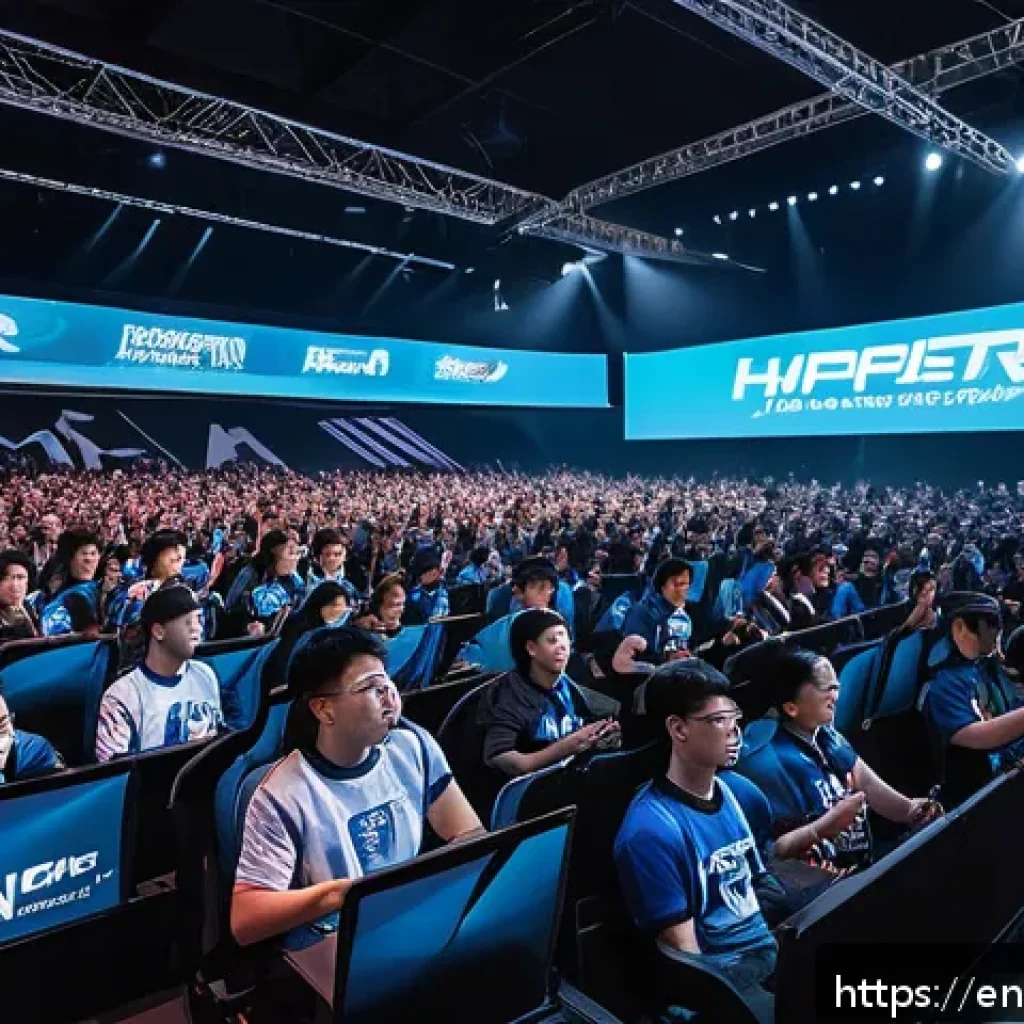
The sports marketing landscape is evolving faster than ever, fueled by digital innovation and a growing global fanbase. Whether you’re passionate about sports or intrigued by marketing strategies, choosing the right major can set the foundation for a dynamic and rewarding career.

With new trends like esports sponsorships and data-driven fan engagement shaping the industry, understanding your academic path is more crucial than ever.
Let’s dive into how you can unlock your future in sports marketing by selecting the perfect major that aligns with both your interests and the market’s demands.
Stick around—you might just discover the key to turning your passion into a thriving profession.
Emerging Fields in Sports Marketing Majors
Esports and Digital Media Integration
Esports has exploded into a global phenomenon, attracting millions of fans and massive sponsorship deals. Majors focusing on esports marketing prepare students to navigate this digital-first environment by teaching skills in live streaming, social media campaigns, and influencer partnerships.
From my experience attending esports events and following industry trends, the ability to connect brands with passionate gaming communities is a unique niche that’s rapidly expanding.
Students learn how to create authentic engagement strategies tailored to younger, digitally savvy audiences, which differs from traditional sports marketing approaches.
Mastering this can open doors to innovative roles in sponsorship activation and content creation within esports organizations or related agencies.
Data Analytics and Fan Engagement
The use of big data is transforming how sports marketers understand fan behavior and preferences. Majors that emphasize analytics train students to interpret data from ticket sales, social media, and wearable tech to craft personalized fan experiences.
I’ve seen firsthand how teams that leverage these insights boost fan loyalty and increase revenue through targeted promotions and dynamic pricing models.
This academic path often includes coursework in statistics, consumer psychology, and digital marketing, equipping graduates with a competitive edge in a data-driven industry.
The goal is to enhance fan interaction in meaningful ways that build long-term relationships rather than one-off transactions.
Global Sports Business and Sponsorship Management
Sports marketing is no longer confined to local markets; it’s a worldwide enterprise. Majors focusing on global sports business prepare students to handle cross-cultural sponsorships, international event management, and global brand partnerships.
In my conversations with industry professionals, those with international business knowledge tend to excel because they understand how to adapt marketing strategies to diverse markets.
This major often covers sports law, international marketing, and event logistics, giving students a broad perspective necessary for thriving in multinational sports corporations or agencies.
Skills That Set You Apart in Sports Marketing
Creative Storytelling and Content Creation
Storytelling remains a powerful tool in sports marketing, helping brands connect emotionally with fans. Majors encouraging creativity focus on developing compelling narratives through video production, graphic design, and copywriting.
I remember working on a campaign that used fan stories to humanize an athlete’s brand, resulting in a significant social media buzz. Learning how to craft stories that resonate across platforms is crucial, especially when competing for attention in a crowded digital space.
These skills also foster adaptability, enabling marketers to pivot messaging based on fan feedback and trends.
Relationship Building and Networking
Building and maintaining relationships with athletes, sponsors, and media is central to sports marketing success. Majors that highlight interpersonal skills and negotiation techniques prepare students to become effective communicators and dealmakers.
From personal experience, networking at sports conferences and events helped me land internships and job offers. Programs that offer real-world internships or mentorship opportunities provide invaluable exposure to industry connections, which can be the difference between landing a job and just applying online.
Technological Proficiency and Innovation
The rapid pace of tech innovation means sports marketers need to stay ahead of emerging tools like VR, AR, and AI-powered fan engagement platforms. Majors integrating technology education give students hands-on experience with these tools, making them valuable assets to modern sports organizations.
I’ve tested several fan engagement apps and noticed how immersive experiences keep fans coming back. Understanding how to implement and measure tech-driven campaigns will be a key differentiator in your career.
Choosing Between Business and Communication Focused Programs
Business-Oriented Sports Marketing Majors
Business-centric programs emphasize management, finance, and strategic planning within sports contexts. They tend to attract students interested in sponsorship deals, budgeting, and overall team or brand management.
My observation is that these programs often include internships with sports agencies or teams, providing practical insights into revenue generation and operational logistics.
Graduates are well-prepared for roles in sports finance, sponsorship acquisition, or marketing management.
Communication and Media-Focused Majors
Communication-based programs concentrate on media relations, public relations, and brand messaging. Students develop skills in crafting press releases, managing social media channels, and handling crisis communication.
I recall working with media students who excelled at creating viral campaigns and managing athlete reputations. These programs often encourage creativity and adaptability, vital for careers in sports broadcasting, PR firms, or digital content creation.
Hybrid Majors and Interdisciplinary Options
Some universities offer hybrid majors combining business, communication, and technology courses, providing a comprehensive education. These programs cater to students who want flexibility and a broader skill set.
From talking to recent graduates, this approach often leads to diverse career paths, including roles in analytics, marketing strategy, and digital content.
The challenge is to tailor your electives and internships to build expertise in your preferred niche within sports marketing.
Comparing Core Curriculum Elements Across Majors
Typical Coursework Breakdown
Understanding the curriculum helps you align your strengths and interests with the right program. Most sports marketing majors include foundational courses like Principles of Marketing, Sports Management, and Consumer Behavior.
Beyond that, electives can range from Digital Media Strategies to Sports Law and Ethics. I’ve found that programs offering hands-on projects and case studies tend to better prepare students for real-world challenges.
Experiential Learning Opportunities
Internships, study abroad programs, and industry partnerships are critical components of effective sports marketing education. Participating in live campaigns or working with sports organizations during your studies significantly boosts employability.
I had the chance to intern with a minor league baseball team, which taught me the nuances of fan engagement and sponsorship activation beyond what textbooks could offer.
Balancing Theory and Practice
The best majors strike a balance between theoretical knowledge and practical application. Courses that challenge students to analyze market data, develop marketing plans, and present to real clients are invaluable.
From my perspective, this approach not only builds confidence but also sharpens problem-solving skills that are essential in the fast-paced sports marketing industry.

| Aspect | Business-Focused Major | Communication-Focused Major | Hybrid Major |
|---|---|---|---|
| Core Courses | Finance, Sponsorship Management, Sports Economics | Media Relations, PR, Content Creation | Marketing Strategy, Digital Media, Sports Law |
| Skill Development | Strategic Planning, Negotiation, Budgeting | Storytelling, Social Media Management, Crisis Communication | Data Analysis, Tech Innovation, Brand Management |
| Career Paths | Sponsorship Sales, Sports Agency, Team Management | Sports Journalism, PR Firms, Digital Marketing | Analytics, Event Management, Multinational Marketing |
| Experiential Learning | Internships with Teams/Agencies | Media Campaign Projects, Internships in PR | Cross-Disciplinary Internships, Study Abroad |
Leveraging Internships and Networking for Career Growth
Finding the Right Internship Opportunities
Internships are often the first step toward a full-time role in sports marketing. When I was starting out, targeting organizations that aligned with my interests—whether a local sports team or a digital marketing agency—made all the difference.
Look for internships offering hands-on experience in campaign execution, sponsorship activation, or fan engagement analytics. These roles provide critical insights into daily operations and help you build a professional portfolio.
Building Genuine Industry Relationships
Networking goes beyond collecting business cards; it’s about creating meaningful connections that can support your career journey. Attending sports marketing conferences, joining student organizations, and engaging with alumni have been invaluable strategies I used.
Authenticity is key—show genuine interest in others’ work and seek mentorship opportunities. Over time, these relationships often lead to job referrals or collaborative projects.
Utilizing Online Platforms to Expand Reach
In today’s digital age, platforms like LinkedIn, Twitter, and industry-specific forums are powerful tools for networking and self-promotion. I found that regularly sharing insights about sports marketing trends and participating in discussions helped me stand out.
Building a personal brand online demonstrates your passion and expertise, attracting recruiters and potential collaborators.
Emerging Technologies Impacting Sports Marketing Education
Virtual and Augmented Reality Experiences
VR and AR are revolutionizing fan engagement by offering immersive experiences such as virtual stadium tours or interactive player stats during games.
Majors incorporating these technologies prepare students to develop campaigns that leverage this immersion. I’ve experienced VR sports demos, and the potential to create deeper emotional connections with fans is impressive.
Understanding how to design and market these experiences is becoming essential.
Artificial Intelligence and Predictive Analytics
AI is enabling sports marketers to predict fan preferences, optimize ticket pricing, and automate personalized content delivery. Programs that teach AI tools equip students with a futuristic skill set.
I experimented with AI-driven social media analytics and noticed how it enhances campaign effectiveness by targeting the right audience at the right time.
Graduates with AI proficiency can help organizations stay competitive in a data-driven market.
Blockchain and Fan Token Marketing
Blockchain technology is opening new avenues for fan engagement through cryptocurrencies and fan tokens, allowing fans to participate in decision-making or access exclusive content.
Some cutting-edge majors include blockchain fundamentals and digital currency marketing. From what I’ve observed, sports organizations adopting these innovations create stronger fan loyalty and new revenue streams.
Familiarity with blockchain concepts positions students at the forefront of this evolving landscape.
Balancing Passion with Practicality in Your Major Choice
Aligning Your Interests with Market Demand
Choosing a major solely based on passion can be risky if it doesn’t match industry needs. I’ve met many students who love sports but struggled to find jobs due to limited skill sets.
Researching growing sectors like esports, digital marketing, or data analytics helps ensure your education remains relevant. Combining your passion with practical skills increases your chances of landing rewarding roles.
Considering Flexibility and Future Trends
The sports marketing industry is dynamic; what’s popular today may evolve quickly. Selecting a major that offers flexibility, such as interdisciplinary studies or electives in emerging technologies, can future-proof your career.
I recommend choosing programs that encourage adaptability and lifelong learning, as these traits are invaluable when navigating industry shifts.
Seeking Mentorship and Guidance
Talking to professors, industry veterans, and career counselors can provide personalized advice tailored to your strengths and aspirations. When I was uncertain about my major, mentors helped me identify areas where I could excel and suggested internships to build experience.
Don’t hesitate to reach out—guidance can clarify your path and boost confidence in your decisions.
Conclusion
Choosing the right sports marketing major is a crucial step toward building a successful career in this dynamic field. By understanding emerging trends, developing versatile skills, and leveraging real-world experiences, you can position yourself for long-term growth. Remember, staying adaptable and continuously learning will help you navigate the evolving landscape of sports marketing with confidence.
Helpful Information
1. Internships offer invaluable hands-on experience and often lead to job opportunities in sports marketing.
2. Building authentic relationships within the industry is key to gaining mentorship and career advancement.
3. Combining passion with practical skills like data analytics or digital media increases employability.
4. Staying updated on emerging technologies such as AI, VR, and blockchain sets you apart in the job market.
5. Selecting a program with a balance of theory and practice helps develop problem-solving skills essential for real-world challenges.
Key Takeaways
When choosing a sports marketing major, prioritize programs that integrate hands-on learning with current industry trends. Focus on developing a diverse skill set that includes technology, creativity, and relationship-building. Seek out internships and mentorship opportunities early to build your professional network. Lastly, remain flexible and open to adapting your expertise as the sports marketing landscape continues to evolve rapidly.
Frequently Asked Questions (FAQ) 📖
Q: uestions about Choosing a Major in Sports MarketingQ1: What are the best majors to pursue if I want a career in sports marketing?
A: The top majors for sports marketing typically include Marketing, Sports Management, Business Administration, and Communications. Marketing gives you a solid foundation in branding and consumer behavior, which is vital for crafting campaigns.
Sports Management focuses more on the operational side of sports organizations but often integrates marketing principles. Business Administration offers a broad skill set, including finance and strategy, which can be extremely helpful when negotiating sponsorship deals or managing partnerships.
Communications majors often excel in public relations and media strategies, crucial for fan engagement and digital content. Personally, I found that combining Marketing with some courses in data analytics really gave me an edge, especially as the industry shifts toward data-driven approaches.
Q: How important is it to specialize in emerging areas like esports or digital fan engagement within a sports marketing major?
A: Specializing in esports or digital fan engagement is becoming increasingly important. The sports marketing landscape is rapidly evolving, and esports sponsorships now represent a multi-billion dollar industry with huge growth potential.
Similarly, understanding digital fan engagement tools—like social media analytics, app-based loyalty programs, or virtual experiences—can set you apart from other candidates.
From my experience, employers are actively seeking candidates who can navigate these new frontiers because traditional marketing tactics alone no longer cut it.
If your school offers specific courses or certifications in these areas, it’s definitely worth pursuing them to stay ahead.
Q: Can choosing the right major in sports marketing really impact my long-term career opportunities and salary potential?
A: Absolutely. Your major lays the groundwork for your career trajectory and skill set. For instance, a degree focused on marketing combined with hands-on experience in sports environments can open doors to roles like brand manager, sponsorship coordinator, or digital marketing strategist, which tend to offer higher salaries.
On the other hand, a more general business degree might require additional certifications or experience to reach the same level. When I started, I noticed that peers who specialized early on in sports marketing or related digital fields landed internships and jobs faster and with better pay.
So, investing time to choose the right major aligned with industry trends can pay off significantly in the long run.