Hey there, sports fans and marketing mavens! Have you ever paused to think about how rapidly the world of sports marketing is evolving right before our very eyes?
It feels like just yesterday we were talking about social media campaigns, but now, cutting-edge tech is completely reshaping how we experience and engage with our favorite teams and athletes.
From immersive fan experiences powered by virtual reality to hyper-personalized content delivered by AI, the game has truly changed. It’s not just about selling tickets anymore; it’s about crafting unforgettable moments and building deeper connections than ever before.
If you’re as fascinated as I am by how innovation is scoring big in the sports industry, then you’re in for a treat because we’re about to unveil the electrifying future together.
Ready to dive deep into the most exciting tech trends making waves in sports marketing? Let’s uncover the secrets to success, right here, right now!
Stepping into the Game: Immersive Fan Experiences

Oh man, if you’re anything like me, you’ve probably caught yourself dreaming about being *right there* on the field, hearing the crowd roar, feeling the tension of every play.
For the longest time, that was just a dream, right? But now, thanks to some mind-blowing tech, those dreams are closer to reality than ever! We’re talking about a complete revolution in how we, as fans, actually *experience* sports.
It’s not just about watching anymore; it’s about being a part of it, feeling every spike, every goal, every dramatic finish as if you’re truly present.
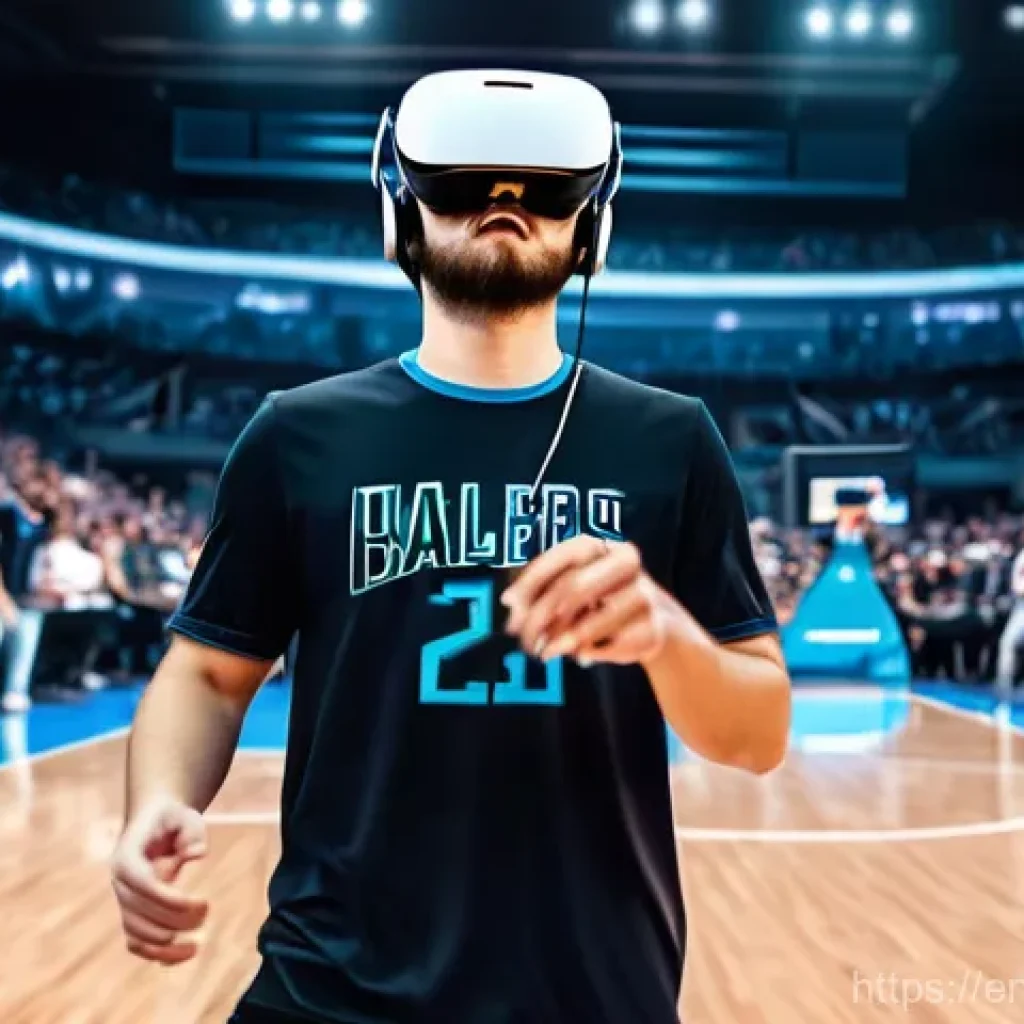
I remember going to a major league baseball game a few years back, and they had this little VR station setup. I strapped on the headset, and suddenly I was standing right behind home plate.
The crack of the bat, the umpire’s call – it was utterly surreal! It instantly clicked for me: this isn’t just a gimmick; this is the future of fan engagement.
This kind of tech doesn’t just entertain; it builds an emotional connection that traditional media just can’t quite replicate, keeping fans glued to their teams and sponsors.
Virtual and Augmented Reality: Not Just for Gaming Anymore
Let’s be real, VR and AR used to feel like something out of a sci-fi movie, mostly reserved for hardcore gamers. But lately, I’ve seen them pop up in sports marketing in ways that are genuinely exciting.
Imagine this: you’re at home, but with an AR app, your living room floor becomes a miniature basketball court, showing real-time stats and player projections right in front of you.
Or, during a live game broadcast, AR overlays can highlight player performance, tactical movements, or even display interactive fan polls right on your screen.
It adds a whole new layer of interaction that makes you feel more connected to the action. What I’ve personally experienced is how teams are using VR to give fans a ‘behind-the-scenes’ look, tours of locker rooms, or even a virtual “meet and greet” with their favorite athletes.
This kind of access is pure gold for fostering loyalty and creating unforgettable brand associations. It makes you feel special, like you’re part of the inner circle, and that emotional investment keeps you coming back for more.
Holographic Projections and Interactive Venues: The Future of Live Events
Okay, this one blows my mind every single time. Holographic technology, once just a staple of pop concerts bringing back deceased artists, is now creeping into sports in ways that feel straight out of a futuristic blockbuster.
I heard about a recent event where they projected a legendary athlete onto a stage for an interactive Q&A, and it felt so real, it gave me goosebumps!
It’s not just about static images either; we’re seeing interactive fan zones within stadiums that use projection mapping and motion sensors to create dynamic experiences.
Think about a pre-game show where virtual avatars of star players interact with the crowd, or a half-time performance that transforms the entire stadium into a dazzling light show.
These innovations aren’t just about entertainment; they’re about transforming the physical space into a living, breathing part of the brand experience.
It makes attending a game an event in itself, not just watching two teams compete, but an all-encompassing spectacle that truly sets a team apart and justifies those premium ticket prices.
The Data Playbook: Smarter Strategies with Advanced Analytics
You know, I used to think of sports marketing as mostly instinct and gut feelings – big campaigns, flashy ads, celebrity endorsements. And while those are still important, the game has fundamentally changed because of data.
It’s like every single click, every purchase, every social media interaction is a piece of a giant puzzle, and advanced analytics is the tool that puts it all together.
From my own observations, teams and leagues that truly embrace data are not just guessing anymore; they’re making informed decisions that resonate deeply with their fan base.
They’re able to understand who their fans are, what they want, and how they behave, which is a goldmine for creating marketing campaigns that actually *work*.
It’s a complete shift from broad-stroke marketing to laser-focused strategies, and honestly, it’s thrilling to see how much more effective it makes everything.
Predictive Analytics: Anticipating Fan Behavior
Imagine knowing what your fans are going to want before they even realize it themselves. That’s the power of predictive analytics, and it’s absolutely transforming sports marketing.
By crunching massive datasets – everything from past ticket sales and merchandise purchases to online browsing habits and social media sentiment – teams can forecast trends with incredible accuracy.
I’ve seen firsthand how some organizations use this to predict which games will be sell-outs, allowing them to adjust pricing or offer early bird incentives.
Beyond that, it helps in tailoring content that a specific fan segment is likely to engage with, or even anticipating potential churn and proactively offering loyalty rewards to keep fans engaged.
This isn’t just about numbers; it’s about truly understanding the pulse of the fan base and delivering experiences that feel custom-made for them. For content creators like us, this means we can better understand what topics will hit home and drive that precious engagement.
AI-Powered Insights: Personalizing Every Touchpoint
Artificial intelligence isn’t just a buzzword in sports marketing; it’s a game-changer for personalization. While predictive analytics tells you what might happen, AI takes those insights and helps *act* on them in real-time.
Think about personalized email campaigns that suggest merchandise based on your favorite player’s latest performance, or push notifications during a game that highlight stats relevant to your fantasy team.
I recently had an experience where an app, after tracking my preferred content, sent me a notification about an exclusive interview with my favorite athlete *moments* after I’d finished watching highlights of his last game.
That felt incredibly targeted and made me feel genuinely valued as a fan. AI analyzes individual preferences and behaviors to create a truly one-to-one marketing experience, from tailored ad placements to customized fan experiences within stadium apps.
This level of personalization drastically improves engagement and, let’s be honest, makes us all feel a little bit more special.
Connecting Deeply: Hyper-Personalized Fan Engagement
In today’s crowded digital landscape, simply having a presence isn’t enough anymore. Fans expect to be seen, heard, and understood. This is where hyper-personalized fan engagement truly shines, and it’s something I’ve poured a lot of thought into for my own platform.
It’s not just about sending out a generic newsletter; it’s about crafting an experience that feels like it was made just for *you*. From the moment a fan interacts with a team or brand, every subsequent touchpoint should feel like a continuation of a personal conversation.
I’ve noticed that the most successful teams are those that aren’t afraid to get a little personal, to acknowledge individual preferences, and to build a relationship that goes beyond just the game itself.
It’s about making fans feel like an indispensable part of the team’s journey, which, let’s face it, is what we all crave.
Custom Content Delivery: What Fans Really Want
Nobody wants to sift through a mountain of irrelevant information to find the one thing they care about. That’s why custom content delivery is so crucial.
Leveraging AI and data, sports organizations can now curate content streams that are uniquely tailored to each fan’s interests. Are you a stat nerd who loves deep-dive analytics?
Or maybe you’re all about the human-interest stories behind the players? The tech allows teams to know this and deliver *exactly* what you want. I recently saw a sports news aggregator that, over time, learned my favorite sports, teams, and even specific players, and then presented me with a daily digest that was uncannily accurate.
It was a refreshing change from wading through general news feeds. This personalized approach not only boosts engagement but also increases the time fans spend interacting with the brand, directly influencing ad revenue and brand loyalty.
It feels less like marketing and more like a helpful friend delivering exactly what you asked for.
Social Media and Beyond: Building Communities, Not Just Audiences
Social media isn’t just a broadcast channel anymore; it’s a vibrant ecosystem where communities thrive. The real magic happens when teams move beyond just posting updates and start actively fostering genuine connections among their fans.
I’ve personally joined several fan groups online that are incredibly active, and the teams themselves often participate, running polls, asking for opinions, and even hosting live Q&As with players.
This level of interaction transforms a passive audience into an active community. Beyond the mainstream platforms, we’re seeing teams experiment with bespoke community forums, Discord servers, and even private apps where fans can connect, share, and celebrate their passion.
This isn’t just about likes and shares; it’s about creating a sense of belonging, a shared identity that strengthens the bond between fans and the team.
And let me tell you, a strong, engaged community is a monetizable community.
The Digital Battleground: Esports and Gaming’s Marketing Might
If you haven’t been paying attention to esports, you’re missing out on one of the most explosive growth areas in sports marketing, period. It’s not just kids playing video games in their basements anymore; it’s a global phenomenon with massive tournaments filling arenas, attracting millions of viewers online, and generating incredible sponsorship deals.
Honestly, when I first started seeing the numbers, my jaw dropped. The level of engagement, the sheer passion of the fans, and the innovative ways brands are connecting with this audience are truly inspiring.
It’s a completely different landscape than traditional sports, with its own unique culture and marketing nuances, and anyone in sports marketing needs to be paying close attention.
This isn’t just a niche; it’s a mainstream powerhouse.
Bridging Traditional and Digital Sports Fans
One of the most fascinating aspects of esports marketing is its ability to attract a demographic that might not traditionally be glued to a football game but is deeply passionate about competitive gaming.
What I’ve observed is that traditional sports brands are cleverly leveraging this crossover. We’re seeing basketball teams sponsoring esports leagues, football clubs acquiring esports franchises, and even athletes from physical sports investing in gaming organizations.
This cross-pollination is brilliant because it introduces new audiences to existing brands and vice-versa. For example, a young gamer who follows an esports team owned by a famous soccer club might eventually develop an interest in that soccer club.
It broadens the overall fan base and creates new avenues for sponsorship and merchandise sales. It’s like discovering a whole new continent of potential fans that were previously untouched.
Influencer Marketing in Gaming: A Whole New League
When it comes to reaching the esports audience, traditional advertising often falls flat. What truly resonates are authentic voices, and that’s where influencer marketing takes center stage.
Gaming streamers and esports personalities have built massive, loyal followings, often with deeper connections to their audience than traditional celebrities.
I’ve seen brands achieve incredible success by partnering with these influencers for product placements, sponsored streams, and even custom content series.
The key is authenticity; fans can spot a fake endorsement from a mile away. When an influencer genuinely loves a product or service, their audience trusts that recommendation, leading to much higher engagement and conversion rates.
This ecosystem is a testament to the power of community-driven marketing, where trust and genuine connection far outweigh flashy ad campaigns. It’s a goldmine for brands looking to tap into a highly engaged, often younger, demographic.
The Blockchain Buzz: NFTs and Web3 for True Fan Ownership
Alright, let’s talk about something that still feels a little bit like the Wild West but holds enormous potential: Web3, NFTs, and the whole blockchain revolution in sports.
When I first heard about NFTs – digital collectibles – I admit, I was a bit skeptical. “Why would someone pay so much for a digital image?” I wondered.
But after diving deeper and seeing how teams and leagues are actually leveraging this tech, my perspective completely shifted. It’s not just about the digital asset itself; it’s about ownership, community, and creating entirely new forms of fan engagement and monetization.
It’s about giving fans a tangible (albeit digital) piece of their favorite team or moment, and that changes the game entirely.
Digital Collectibles and Fan Tokens: More Than Just JPEGs
The world of NFTs in sports has evolved far beyond just digital trading cards. Now, we’re seeing official team-branded NFTs that grant holders exclusive access to content, merchandise discounts, or even voting rights on minor team decisions.
Fan tokens, built on blockchain technology, allow fans to own a small, fractional stake in their club, giving them a voice and a sense of belonging that was previously unheard of.
For example, I came across a football club that offered fan token holders the chance to vote on the design of the team bus or the celebration song played after a goal.
This isn’t just about collecting; it’s about empowering fans and creating a sense of genuine co-ownership. It builds a deeper, more committed fan base, and from a monetization perspective, it opens up entirely new revenue streams for teams.
It’s a genius way to leverage the digital realm to strengthen real-world loyalty.
Decentralized Autonomous Organizations (DAOs): Giving Fans a Voice
Now, take the concept of fan tokens a step further, and you enter the realm of Decentralized Autonomous Organizations (DAOs). This is where fans, through their token holdings, can collectively make decisions about certain aspects of a team or league.
While we’re still in the early stages, the idea is incredibly powerful. Imagine fans collectively deciding on charitable initiatives, engaging in player transfer discussions, or influencing marketing campaigns.
It shifts power dynamics and truly decentralizes decision-making. I believe this kind of fan-led governance, even if for smaller decisions, can dramatically increase fan loyalty and engagement.
It makes fans feel truly invested and heard, moving them from passive consumers to active participants in the brand’s journey. This fosters an unparalleled sense of community and trust, which are priceless in today’s marketing landscape.
AI at the Helm: Revolutionizing Marketing Operations
When I think about the sheer volume of tasks involved in sports marketing today – from content creation to ad placement to analyzing campaign performance – it’s frankly a little overwhelming.
That’s where Artificial Intelligence steps in, not to replace the human element, but to supercharge it. AI is becoming an indispensable tool that helps marketing teams work smarter, faster, and with far greater precision.
I’ve personally seen how AI-powered tools can take mundane, repetitive tasks off marketers’ plates, freeing them up to focus on the more creative and strategic aspects of their roles.
It’s not just about automation; it’s about intelligent automation that delivers measurable results and truly optimizes every dollar spent.
Automated Content Creation: Speed and Scale
Creating engaging content for various platforms, often in real-time, can be a huge challenge. But with AI, parts of this process are becoming incredibly streamlined.
We’re seeing AI generate short-form video highlights, craft personalized social media posts, and even write basic match reports almost instantly after an event.
While it won’t replace a human content strategist, it provides a fantastic foundation and frees up creative minds to focus on deeper storytelling. Imagine an AI analyzing game footage and immediately cutting together a highlight reel tailored to a specific fan’s preferred player, complete with an engaging caption.
I’ve noticed this especially in fast-paced environments like breaking news or live game updates where speed is critical. This level of automated content not only saves time and resources but also ensures a consistent flow of fresh, relevant content, which is key for maintaining high fan engagement across all channels.
Dynamic Pricing and Ad Optimization: Maximizing Revenue
For any sports business, maximizing revenue is paramount, and AI is proving to be a powerhouse in this area, especially with dynamic pricing and ad optimization.
Instead of static ticket prices, AI algorithms can analyze real-time demand, opponent quality, weather forecasts, and even social media buzz to adjust ticket prices dynamically, ensuring optimal revenue for every game.
The same applies to advertising. AI can optimize ad placements across digital platforms, identifying the best channels, times, and audience segments for a campaign to achieve maximum impact and return on investment.
I’ve seen ad campaigns for merchandise sales that, thanks to AI, target fans who’ve just watched a highlight video of a specific player, leading to significantly higher conversion rates.
This isn’t just about selling more; it’s about selling smarter, ensuring that every marketing dollar works harder and every revenue opportunity is seized.
| Technology | Impact on Fan Engagement | Monetization Opportunities |
|---|---|---|
| Virtual/Augmented Reality | Immersive, interactive experiences; deeper emotional connection. | Premium content subscriptions; virtual ticket sales; sponsored AR experiences. |
| Advanced Analytics & AI | Hyper-personalized content; predictive insights into fan preferences. | Targeted advertising; dynamic pricing for tickets/merch; customized loyalty programs. |
| Esports & Gaming | Attracts new, younger demographics; high digital engagement. | Sponsorships; media rights; merchandise sales (in-game & physical); influencer collaborations. |
| NFTs & Web3 (Blockchain) | Sense of ownership & community; exclusive access; direct fan influence. | Digital collectibles sales; fan token offerings; exclusive membership tiers. |
| Automated Content Creation | Real-time, personalized content delivery at scale. | Increased content volume for ad impressions; enhanced subscription value. |
Wrapping Things Up
Wow, what a journey we’ve taken through the incredible evolution of sports marketing and fan engagement! It’s truly mind-blowing to see how far we’ve come from simply watching a game to actively participating, feeling every pulse, and even influencing our favorite teams.
The future isn’t just about passive consumption; it’s about deep, meaningful connections forged through innovation. I’m genuinely stoked to see what new frontiers these technologies will unlock next, and how they’ll continue to bring us even closer to the sports we absolutely adore.
It’s an exciting time to be a fan, and an even more exciting time to be part of this incredible shift!
Good to Know Info for the Savvy Fan
1. Don’t underestimate the power of VR/AR in sports; it’s moving beyond gimmicks and into mainstream fan experiences, offering unique perspectives you simply can’t get from traditional broadcasts. Keep an eye out for team apps integrating these features for an enhanced viewing experience.
2. Data analytics and AI are the secret sauce behind personalized fan interactions. If a team or league seems to know exactly what you want, it’s likely smart tech at play, ensuring you get content and offers that truly resonate with your interests.
3. Esports isn’t just a niche; it’s a massive, rapidly growing market that’s reshaping how brands approach digital engagement. Many traditional sports teams are already investing heavily, so don’t be surprised to see more crossover content and sponsorships.
4. Web3 technologies like NFTs and fan tokens are redefining fan ownership and loyalty. While still evolving, these digital assets are offering unprecedented levels of engagement, giving fans a real voice and exclusive benefits within their favorite clubs.
5. Look for how AI is streamlining content creation and marketing efficiency behind the scenes. This allows teams to deliver more real-time, relevant content directly to you, enhancing your overall experience without you even realizing the tech at work.
Key Takeaways
The sports marketing landscape is undergoing a radical transformation, driven by immersive technologies like VR/AR and holographic projections, alongside sophisticated data analytics and AI for hyper-personalization.
The explosive growth of esports is attracting new demographics, while Web3 innovations such as NFTs and fan tokens are reshaping fan ownership and community engagement.
Ultimately, the focus is shifting from passive viewership to active, personalized, and deeply connected fan experiences, leveraging technology to build stronger, more monetizable relationships.
Frequently Asked Questions (FAQ) 📖
Q: What are the biggest technological innovations currently transforming sports marketing?
A: Oh, where do I even begin? It’s truly an exciting time! From my perspective, having watched this space evolve rapidly, there are a few heavy hitters.
First up, we’ve got virtual reality (VR) and augmented reality (AR) absolutely changing the game. I mean, imagine stepping onto the court virtually, feeling that crowd electricity, or reliving a legendary play from your favorite player’s perspective, right from your living room!
The NBA, for instance, has been rolling out VR options for fans during events like the All-Star Weekend, letting them virtually experience everything from the Slam Dunk Contest to behind-the-scenes access.
Then there’s Artificial Intelligence (AI) and machine learning. This isn’t some far-off sci-fi dream; it’s happening now. AI helps marketers understand fan behavior at an unprecedented scale, allowing for hyper-personalized content, promotions, and communications that genuinely resonate with each fan.
We’re talking about tailored content delivery, interactive chatbots, and even predictive merchandising – it’s wild! And let’s not forget data analytics.
It’s the engine powering all of this, helping teams and brands make smarter decisions about everything from ticket sales to fan engagement. What I’ve personally seen is that these technologies aren’t just gadgets; they’re fundamentally reshaping how we interact with sports.
Q: How do these new technologies enhance the fan experience and engagement?
A: This is where it gets really exciting for us, the fans! I’ve always felt that the deeper the connection, the richer the experience, and these technologies are definitely deepening it.
Think about immersive experiences: AR and VR don’t just show you the game; they put you in it. You can get 360-degree stadium views, overlay real-time player stats onto your screen, or even join virtual meet-and-greets with athletes.
It’s like having the best seat in the house, or even being on the field, without actually being there! I remember hearing about the Minnesota Twins using ARound’s tech to make live games more interactive and fun for fans right in the stadium.
Beyond the visual thrills, AI-driven personalization means you’re getting content that truly matters to you. No more generic emails; instead, you get push notifications about your favorite player’s highlights, special offers on merchandise for your team, or even unique content based on your past interactions.
It truly feels like the team knows you, which, in my experience, builds incredible loyalty. Plus, these tools are fostering stronger community bonds through interactive elements and opportunities for user-generated content, allowing fans to feel like an active part of the story, not just spectators.
It’s all about making every moment, whether in-stadium or at home, more memorable and personal.
Q: For sports marketers, what’s the most effective way to integrate these cutting-edge trends into their strategies for real results?
A: As someone who lives and breathes this stuff, I can tell you that simply adopting the latest tech isn’t enough; it’s how you use it. My personal take is that the most effective way to integrate these trends starts with a deep understanding of your audience, followed by strategic, data-driven implementation.
First off, you’ve got to focus on data fluency and thoughtful strategy. Don’t just collect data; understand it. AI helps here by analyzing fan preferences and behavior patterns, but it’s up to marketers to translate those insights into actionable campaigns.
What I’ve learned from countless hours in this space is that knowing what your fans want, even before they do, is key. Second, embrace immersive storytelling and personalized content delivery.
Use VR and AR to create unique experiences that grab attention and hold it. Think beyond traditional ads and craft narratives that resonate emotionally, maybe even using wearable tech to capture authentic, first-person athlete perspectives.
The NFL, for example, is using AI to deliver 1:1 personalization and even empower fans to create their own content. Finally, and this is crucial for long-term success, build a holistic monetization strategy that goes beyond traditional streams.
Look at premium virtual tickets, exclusive digital collectibles (like NFTs), and leveraging data for targeted sponsorships and retail media opportunities.
It’s about creating multiple touchpoints for engagement and revenue. From what I’ve observed, the brands that win are those that aren’t afraid to innovate, continuously measure ROI, and pivot their strategies based on real-time insights, always keeping the fan experience at the heart of everything they do.