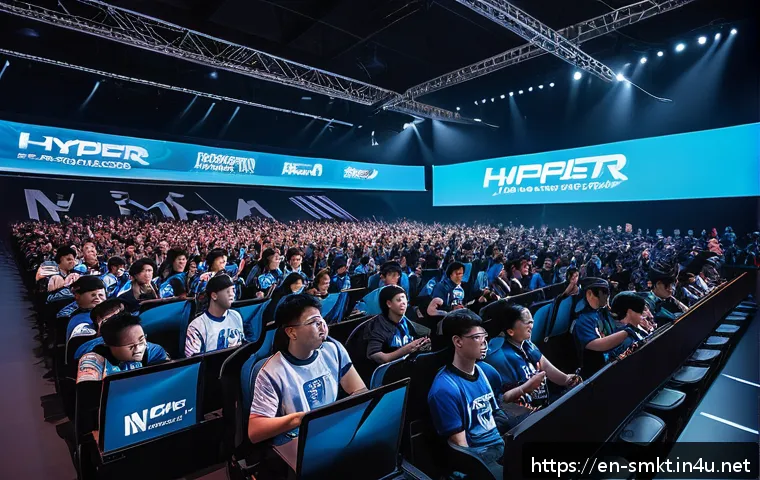
In the fast-paced world of sports marketing, ethical dilemmas often arise that challenge the integrity of the industry. From sponsorship deals to athlete endorsements, the pressure to maximize profits can sometimes blur the lines of fairness and transparency.
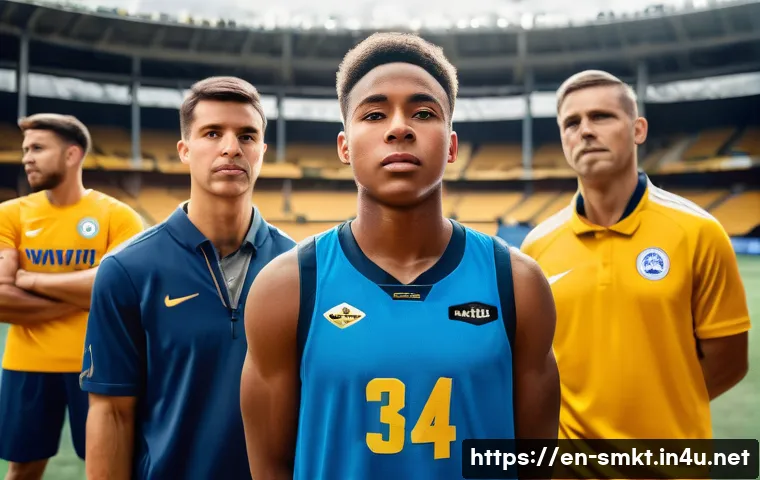
Fans and stakeholders alike demand honesty and accountability, making ethical considerations more crucial than ever. Navigating these issues requires a delicate balance between business goals and moral responsibility.
Let’s dive deeper to uncover the key ethical challenges faced in sports marketing and understand how they shape the future of the game. Get ready to explore the details ahead!
Transparency in Sponsorship and Endorsement Deals
Hidden Agendas Behind Big Sponsorships
When a major brand decides to back an athlete or a sports event, it’s not always just about supporting the sport. Sometimes, the underlying motivations include tax benefits, brand image rehabilitation, or even political influence.
I’ve noticed that while some sponsorships come with clear terms and benefits, others are shrouded in secrecy, making it tough for fans and stakeholders to understand the true nature of the relationship.
This lack of transparency can lead to mistrust, especially when questionable brands get involved. Sports marketers must strive to disclose these partnerships fully to maintain credibility and fan loyalty.
The Fine Line Between Genuine Endorsements and Paid Promotions
Athletes today are social media influencers in their own right, and endorsement deals often spill over into their personal platforms. But how authentic is the message when an athlete promotes a product just because the paycheck is big?
I’ve seen cases where the promoted product doesn’t align with the athlete’s values or lifestyle, which makes the endorsement feel forced and disingenuous.
For fans, this can be disappointing and even damaging to the athlete’s reputation. Marketers should encourage endorsements that truly reflect the athlete’s beliefs, creating a more honest connection with the audience.
Accountability in Contractual Obligations
Contracts in sports marketing are complex, often involving multiple parties and layers of obligations. However, accountability tends to get lost in translation, especially when contracts include vague clauses about exclusivity or performance metrics.
From my experience working with small sports agencies, the lack of clear accountability can cause disputes that harm all parties involved. Transparent contracts with clearly defined responsibilities and consequences are vital to uphold ethical standards and foster long-term partnerships.
Protecting Athlete Welfare Amidst Commercial Pressure
Balancing Commercial Demands with Mental Health
Athletes are under immense pressure to perform, and commercial expectations only add to that burden. I’ve spoken with athletes who feel overwhelmed by constant media appearances, product launches, and social media obligations, which sometimes come at the expense of their mental health.
Ethical sports marketing should prioritize athlete wellbeing, ensuring that commercial activities don’t interfere with rest, training, or personal time.
This balance is crucial not just for the athlete’s health but also for sustaining their career longevity.
Ensuring Fair Compensation and Rights
It’s surprising how often athletes, especially those early in their careers, don’t receive fair compensation for their image rights or endorsements. From what I’ve seen, agents and marketers can sometimes exploit this lack of knowledge, pushing deals that favor the brand more than the athlete.
Educating athletes about their rights and creating transparent negotiation processes is essential. Ethical marketing means valuing the athlete’s contribution fairly and protecting their interests at every stage.
Impact of Exploitative Marketing on Young Athletes
Young athletes are increasingly targeted for endorsements and sponsorships, sometimes before they fully understand the implications. I’ve encountered situations where teenagers sign deals that restrict their freedom or expose them to undue pressure.
Ethical responsibility falls on marketers and sports bodies to safeguard these young talents by setting age-appropriate guidelines and support systems.
Protecting the future stars means respecting their development beyond just commercial gain.
Fair Play in Digital and Social Media Campaigns
Manipulating Fan Engagement Through Bots and Fake Followers
The digital world is a double-edged sword for sports marketing. While it offers massive reach, it also invites unethical practices like buying fake followers or using bots to inflate engagement numbers.
I’ve noticed that some campaigns look impressive on paper but fail to deliver genuine fan interaction. This artificial boost can mislead sponsors and fans alike, undermining trust.
Marketers need to commit to authentic digital growth strategies that build real communities rather than chasing vanity metrics.
Truthfulness in Advertising and Claims
Advertising in sports often borders on exaggeration to hype products or events. However, misleading claims can backfire badly when fans realize the truth.
For example, promoting a supplement as a “performance enhancer” without scientific backing is not only unethical but potentially harmful. From my observations, brands that stick to honest, evidence-based messaging tend to build stronger, long-lasting relationships with their audience.
Respecting Privacy and Consent in Content Sharing
Social media campaigns frequently use behind-the-scenes footage or personal moments to create emotional connections. Yet, there have been instances where content was shared without proper consent, invading athletes’ privacy.
I’ve heard stories where athletes felt exploited or pressured to share more than they were comfortable with. Ethical marketing respects boundaries and obtains clear permission before sharing sensitive content, ensuring trust remains intact.
Maintaining Integrity in Data Usage and Fan Analytics
Ethical Collection of Fan Data
Data-driven marketing is a cornerstone of modern sports promotion, but it raises serious ethical questions about privacy and consent. I’ve encountered fans who feel uneasy about how their personal information is collected and used without explicit permission.
Marketers should implement transparent data policies, clearly explaining what data is collected, how it’s used, and offering easy opt-outs. Respecting fan privacy not only complies with laws but also builds trust and loyalty.
Using Data to Enhance Fan Experience Without Exploitation
While data can improve fan experiences by personalizing content and offers, there’s a risk of crossing into manipulation. For instance, targeting vulnerable fans with aggressive ticket pricing or gambling ads can be ethically questionable.

From my experience, brands that use data responsibly—focusing on fan enjoyment and engagement rather than pure profit—tend to foster healthier, more sustainable relationships.
Transparency in Partnerships with Data Providers
Many sports marketers rely on third-party data providers, but not all partners maintain the same ethical standards. I’ve seen cases where data was sourced from questionable origins or sold without proper consent.
Maintaining transparency about these partnerships and vetting providers carefully is critical to uphold ethical marketing practices and avoid legal pitfalls.
Addressing Conflicts of Interest and Insider Influence
Recognizing Conflicts Between Marketers and Sports Organizations
Sometimes, the lines blur when marketers have close ties with sports organizations, leading to conflicts of interest. I’ve observed situations where decisions favored commercial benefits over the sport’s integrity or fan interests.
Open disclosure of any such relationships helps maintain accountability and ensures decisions are made in the best interest of the sport and its supporters.
Preventing Insider Trading and Unfair Advantages
Inside information about athlete injuries, team strategies, or contract negotiations can be valuable and tempting for marketing insiders. Ethical sports marketing must include strict policies preventing the misuse of such information for personal or commercial gain.
From what I’ve witnessed, organizations that enforce these rules rigorously protect their reputation and fan trust.
Encouraging Whistleblowing and Ethical Reporting
To combat unethical behavior, there needs to be a safe channel for whistleblowers within sports marketing teams. I’ve heard from insiders who hesitate to report misconduct for fear of retaliation.
Establishing confidential reporting mechanisms and protecting whistleblowers helps create a culture of transparency and ethical vigilance.
Summary of Common Ethical Challenges in Sports Marketing
| Ethical Challenge | Typical Scenario | Potential Impact | Recommended Action |
|---|---|---|---|
| Lack of Transparency | Undisclosed sponsorship motives | Fan mistrust, damaged reputation | Full disclosure, clear communication |
| Athlete Exploitation | Unfair contracts, mental health neglect | Career harm, legal disputes | Fair contracts, wellbeing prioritization |
| Digital Manipulation | Fake followers, misleading ads | Loss of credibility, sponsor distrust | Authentic engagement, honest messaging |
| Privacy Violations | Unauthorized content sharing | Athlete backlash, fan alienation | Consent policies, respect boundaries |
| Data Misuse | Non-consensual data collection | Legal issues, fan distrust | Transparent data practices, opt-outs |
| Conflict of Interest | Favoring commercial over sport values | Integrity loss, stakeholder dissatisfaction | Disclosure, ethical oversight |
Building Long-Term Trust Through Ethical Innovation
Integrating Ethics Into Marketing Strategies
Ethical considerations shouldn’t be an afterthought but a core component of sports marketing strategies. From my own work, campaigns that embed transparency, fairness, and respect tend to resonate better with fans and sponsors alike.
This approach might require more upfront effort but pays off in stronger brand loyalty and fewer crises down the line.
Leveraging Technology Responsibly
Emerging technologies like AI and blockchain offer exciting opportunities to enhance transparency and fairness in sports marketing. For example, blockchain can verify the authenticity of sponsorship deals or ticket sales, reducing fraud.
I’m excited to see how these tools can be harnessed ethically to create a more trustworthy ecosystem for all stakeholders.
Fostering Ethical Leadership and Culture
Ultimately, ethical sports marketing relies on people who value integrity and accountability. Encouraging leadership that models ethical behavior and invests in ongoing training can transform organizational culture.
From my observations, when teams prioritize ethics, it creates a ripple effect, inspiring everyone involved to uphold the highest standards.
Conclusion
Ethical practices in sports marketing are essential for building trust and sustaining long-term success. Transparency, respect for athlete welfare, and honest engagement create a foundation where fans, athletes, and brands can thrive together. By prioritizing integrity over short-term gains, the industry can foster meaningful connections that stand the test of time.
Useful Information to Keep in Mind
1. Transparency is key: Always disclose sponsorship motives and contractual terms to maintain credibility.
2. Prioritize athlete wellbeing: Balance commercial demands with mental health and fair compensation.
3. Avoid digital manipulation: Focus on authentic fan engagement rather than inflated metrics.
4. Respect privacy: Obtain clear consent before sharing personal or behind-the-scenes content.
5. Use data responsibly: Ensure ethical collection and use of fan information with clear opt-out options.
Key Takeaways
Maintaining ethical standards in sports marketing involves clear communication, fair treatment of athletes, and responsible use of technology. Upholding transparency and respecting privacy builds trust among all stakeholders. Organizations must actively prevent conflicts of interest and encourage open reporting of unethical behavior. Ultimately, embedding ethics into every aspect of marketing strategy strengthens brand loyalty and supports a healthy sports environment.
Frequently Asked Questions (FAQ) 📖
Q: What are the most common ethical issues in sports marketing?
A: The biggest ethical challenges usually revolve around transparency and fairness, especially when it comes to sponsorship deals and athlete endorsements.
For example, some marketers might exaggerate a product’s benefits or hide conflicts of interest, which can mislead fans and consumers. Additionally, the pressure to secure lucrative deals can sometimes push teams or agencies to prioritize profits over honesty, risking damage to their credibility.
These issues highlight the need for clear guidelines and open communication to maintain trust between all parties involved.
Q: How can sports marketers balance profit goals with ethical responsibility?
A: From my experience, finding that balance means putting long-term reputation ahead of short-term gains. It’s tempting to push boundaries for bigger deals, but fans and stakeholders quickly notice when integrity is compromised.
Ethical sports marketers focus on transparency—disclosing partnerships clearly and avoiding deceptive practices. They also engage with athletes and brands that share their values, which creates authentic connections with the audience.
Ultimately, building trust leads to sustainable success, which is far more valuable than any quick profit.
Q: Why is ethical behavior important for the future of sports marketing?
A: Ethical behavior is crucial because the sports industry thrives on fan loyalty and public trust. If fans feel misled or manipulated, they’re less likely to support teams or products, which hurts everyone financially and reputationally.
In today’s digital age, negative stories spread fast, so maintaining high ethical standards protects brands from backlash. Plus, as younger generations demand more accountability and social responsibility, ethical marketing practices become a key differentiator.
So, staying ethical isn’t just about doing the right thing—it’s about future-proofing the business.