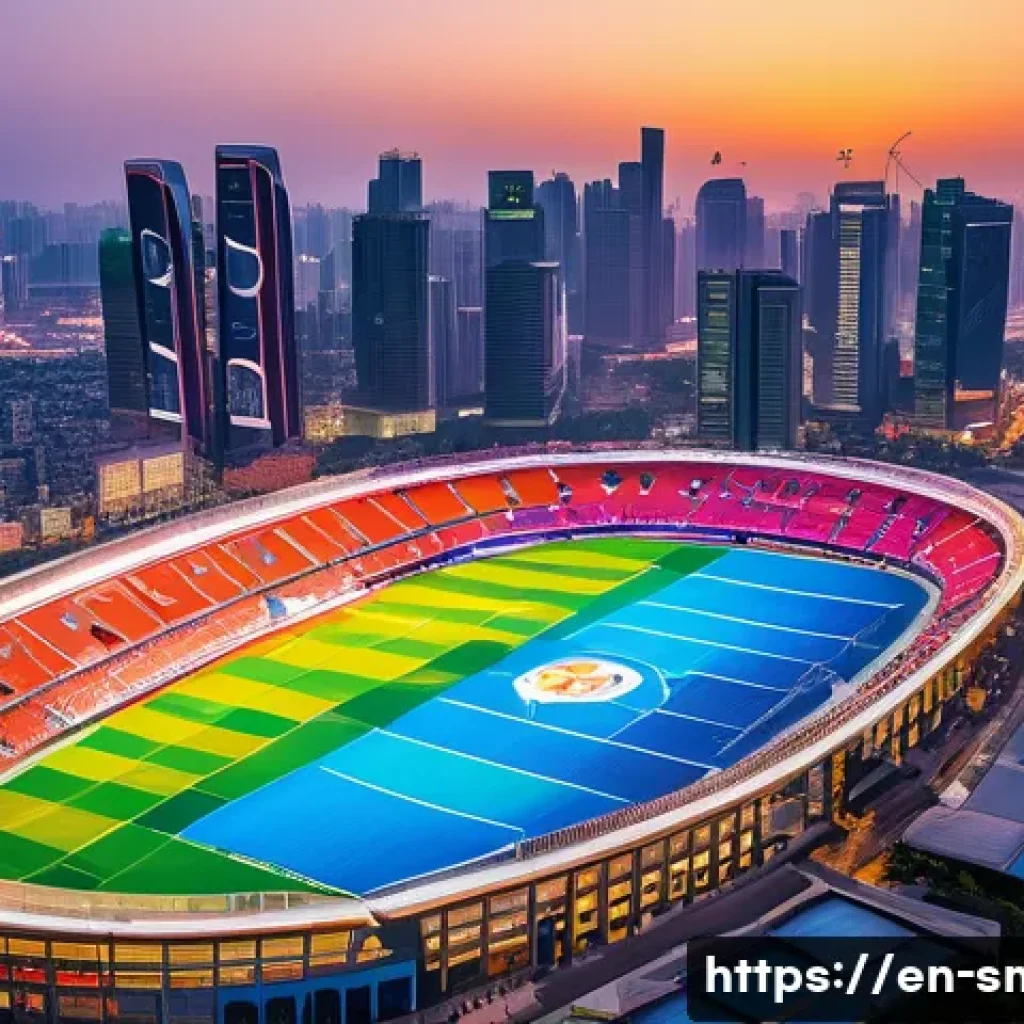
Sports events are more than just thrilling competitions; they are powerful economic engines that can transform cities and communities. From ticket sales and tourism to local business boosts and job creation, the financial ripple effects are significant.

Measuring this economic impact helps stakeholders make informed decisions and maximize benefits. With the rise of mega-events like the Olympics and World Cup, understanding their true value has never been more crucial.
Let’s dive into how experts quantify these effects and what it means for economies worldwide. Stick around as we break it all down for you!
Unlocking the True Financial Impact of Sporting Events
Direct Revenue Streams from Ticket Sales and Broadcasting
When we talk about the financial impact of sports events, the most immediate and visible source is ticket sales. Fans flock to stadiums, arenas, and venues, creating a surge in demand that directly translates to substantial income.
But it doesn’t stop there. Broadcasting rights have become a colossal revenue driver, especially for mega-events like the FIFA World Cup or the Olympics.
Networks pay billions to secure exclusive rights, turning live sports into a global spectacle accessible in millions of homes. From my own experience attending a major league game, the energy is palpable, and every ticket sold feels like a small but vital part of a much bigger economic puzzle.
Tourism Boosts: More Than Just Game Day Crowds
Sports events act as magnets for tourists, drawing visitors from across the globe who spend on hotels, dining, transportation, and local attractions. This influx can transform a city’s economy temporarily or even create lasting tourism appeal.
For instance, hosting the Super Bowl in a city often leads to packed hotels and bustling restaurants for weeks before and after the game. The ripple effect extends into retail and entertainment sectors, making it a win-win for local businesses.
From what I’ve seen firsthand in cities hosting international matches, the community buzz and business uptick are impossible to miss.
Local Business and Employment Uplift
Beyond visitors, local vendors and service providers benefit significantly. From food trucks outside stadiums to merchandise sellers, the event economy trickles down to many small and medium enterprises.
Additionally, temporary job creation spikes, offering opportunities in security, hospitality, and event management. These jobs, while sometimes seasonal, help inject cash into local households and stimulate broader economic activity.
I remember chatting with a local vendor during a championship game who told me how the event doubled his monthly earnings, underscoring the tangible benefits for ground-level participants.
Challenges in Accurately Measuring Economic Impact
Separating New Spending from Redistribution
One of the trickiest parts of measuring economic impact is distinguishing between new money entering the economy and spending that’s simply shifted around.
For example, if local residents spend money on an event instead of going to their usual weekend activities, the net gain might be minimal. Economists call this the substitution effect.
When I first dug into event impact reports, this nuance was eye-opening—it’s easy to overestimate benefits if you don’t account for spending that just moved from one local business to another.
The Role of Multipliers and Economic Leakage
To get a fuller picture, analysts use multipliers to estimate how initial spending circulates through the economy. However, some money inevitably leaks out, such as when event organizers import goods or services from outside the region.
Understanding these leakages is crucial because they reduce the net benefit to the host city. From my research and conversations with economic consultants, it’s clear that a high leakage rate can dramatically diminish the supposed economic windfall.
Data Collection and Transparency Issues
Reliable data is the backbone of accurate measurement, but gathering comprehensive and unbiased information isn’t always straightforward. Surveys can suffer from low response rates or biased answers, and organizers may have incentives to inflate numbers.
Over the years, I’ve seen cases where reported impacts seemed overly optimistic, prompting a more cautious and critical approach when evaluating such claims.
Long-Term Economic Legacies and Infrastructure Development
Infrastructure Investments as Catalysts for Growth
Hosting large-scale sports events often triggers massive infrastructure projects, from new stadiums to improved transportation networks. While these investments can be expensive, they frequently provide long-term benefits that extend beyond the event itself.
For example, cities that revamped their transit systems for the Olympics often enjoy enhanced mobility and increased property values afterward. Based on my observations in cities like London and Tokyo, these legacies can justify the upfront costs if managed wisely.
Urban Regeneration and Global Branding
Mega-events also serve as platforms for urban regeneration, revitalizing neglected neighborhoods and attracting future investments. The global media spotlight helps position the host city as a vibrant destination for tourism and business.
I recall how Barcelona’s transformation for the 1992 Olympics put the city on the map in a way that still draws millions of visitors annually. However, not all cities reap such rewards equally, and success often depends on strategic planning and community engagement.
Balancing Cost with Long-Term Gains
Despite the potential benefits, it’s essential to weigh the costs carefully. Some cities have struggled with debt and underused facilities post-event, turning what seemed like a boon into a financial burden.
From conversations with urban planners, the key takeaway is that a clear legacy plan must be in place well before the event to ensure sustainable economic returns.
Community Engagement and Social Impact as Economic Drivers
Fostering Local Business Partnerships
Engaging local businesses in the planning and execution of sports events can multiply economic gains. When organizers prioritize sourcing locally and collaborating with community vendors, the financial benefits are more widely distributed.
I’ve witnessed events where local artisans and food producers gained valuable exposure and revenue, which strengthened the overall economic ecosystem.

Volunteerism and Skill Development
Volunteer programs not only reduce operational costs but also build human capital. Participants acquire skills in customer service, logistics, and event management that can boost their employability long after the event.
From personal stories shared by volunteers at major events, the experience often translates into career opportunities, indirectly fueling economic growth.
Inclusivity and Long-Term Social Benefits
Events that emphasize inclusivity and accessibility tend to foster stronger community pride and cohesion. These social benefits can have economic ramifications by making cities more attractive places to live and work.
In my view, sports events that integrate social goals alongside financial objectives create a more resilient and prosperous local economy.
Technological Innovations Enhancing Economic Measurement
Big Data and Real-Time Analytics
The rise of big data has revolutionized how economic impacts are tracked. Real-time analytics allow organizers and stakeholders to monitor spending patterns, attendance, and engagement more accurately than ever before.
I’ve been amazed at how some cities use mobile payment data and social media activity to generate instant insights, enabling smarter decision-making during the event.
Virtual and Augmented Reality as New Revenue Channels
Technology isn’t just improving measurement—it’s also creating new economic opportunities. Virtual reality (VR) and augmented reality (AR) experiences allow fans worldwide to engage with events remotely, opening fresh revenue streams through digital ticketing and merchandise.
From what I’ve seen, these innovations broaden the audience and deepen fan engagement, boosting the overall economic footprint.
Blockchain for Transparency and Trust
Blockchain technology offers potential for greater transparency in financial transactions related to sports events. By securely tracking ticket sales, sponsorships, and vendor payments, blockchain can reduce fraud and increase stakeholder confidence.
While still emerging, this technology could reshape how economic impact is reported and verified in the near future.
Comparing Economic Impact Across Different Types of Sports Events
Single-Day vs. Multi-Day Events
The economic footprint varies dramatically depending on event duration. Single-day events like tennis finals often generate intense but short-lived spending, while multi-day tournaments or leagues create sustained economic activity.
From attending both types, I noticed that longer events tend to benefit accommodation providers and local tourism more substantially.
Regional vs. Global Events
Local or regional competitions usually have a smaller but more concentrated economic effect, often benefiting nearby communities directly. In contrast, global mega-events attract international visitors and media, amplifying economic impact but also raising costs and complexity.
My experience at regional championships showed a more intimate economic boost, whereas global events feel like economic juggernauts.
Indoor vs. Outdoor Event Dynamics
Indoor events like basketball or ice hockey games typically concentrate spending around arenas, while outdoor events such as marathons or cycling races spread economic benefits across multiple neighborhoods.
This spatial difference influences how cities plan and capitalize on these occasions. I’ve seen how marathon routes can energize various local businesses along the course, creating a unique economic pattern.
| Economic Factor | Description | Typical Impact |
|---|---|---|
| Ticket Sales | Revenue from admission fees paid by spectators | High for popular sports and mega-events |
| Broadcasting Rights | Fees paid by media companies for event coverage | Major source of income for global events |
| Tourism Spending | Expenditure on hotels, food, transportation by visitors | Substantial, especially for international events |
| Local Business Revenue | Income for vendors, restaurants, and retail | Varies; boosted by event duration and attendance |
| Employment | Temporary and permanent jobs created | Positive but often short-term |
| Infrastructure Investment | Spending on venues and city improvements | High upfront cost, long-term benefits if managed well |
| Economic Leakage | Money leaving the local economy | Reduces net positive impact |
In Closing
Understanding the true financial impact of sporting events goes beyond just ticket sales and broadcasting rights. It requires a deep dive into tourism, local business uplift, and long-term legacies. While challenges in measurement exist, the benefits—when planned and managed carefully—can transform communities economically and socially. Ultimately, sports events hold the potential to be powerful catalysts for sustained growth and engagement.
Useful Information to Remember
1. Ticket sales and broadcasting rights remain the core revenue drivers, especially for large-scale events.
2. Tourism boosts extend economic benefits far beyond the event day, affecting hospitality and retail sectors.
3. Local businesses and temporary employment opportunities see significant gains but often require strategic involvement.
4. Accurate economic measurement must consider substitution effects, leakages, and reliable data collection.
5. Technological advances like big data and blockchain are improving transparency and opening new revenue streams.
Key Takeaways
Sporting events can generate substantial economic benefits, but these gains depend heavily on effective planning, transparent data, and community involvement. Distinguishing genuine new spending from redistributed funds is essential to avoid overestimations. Long-term infrastructure investments and urban regeneration efforts can leave lasting positive legacies if managed wisely. Embracing innovation and inclusivity not only enhances economic returns but also strengthens social cohesion and local pride. Ultimately, a balanced approach that weighs costs against sustainable benefits is critical for maximizing the financial and social impact of sports events.
Frequently Asked Questions (FAQ) 📖
Q: How do sports events create economic benefits for host cities?
A: Sports events bring in a surge of visitors who spend money on hotels, restaurants, transportation, and entertainment, directly boosting local businesses.
Beyond immediate spending, these events often lead to job creation in sectors like hospitality and retail. Additionally, infrastructure improvements made for the event can benefit the community long after the final whistle.
For example, during the 2012 London Olympics, many areas saw revitalization that attracted new investments and tourism even years later.
Q: What methods do experts use to measure the economic impact of sports events?
A: Analysts typically combine direct spending data—like ticket sales and visitor expenditures—with indirect effects such as supply chain spending and induced impacts from increased household income.
They often use economic models like Input-Output or Computable General Equilibrium to estimate how money circulates through the local economy. Surveys of attendees and businesses also provide valuable insights.
However, it’s important to consider that some benefits may be temporary or offset by costs, so thorough analysis is key.
Q: Are mega-events like the Olympics always beneficial for host economies?
A: Not necessarily. While mega-events can generate massive short-term economic activity and global exposure, they also come with huge costs for infrastructure, security, and operations.
Some host cities face budget overruns and underused facilities post-event, which can strain public finances. The true economic value depends on effective planning, community involvement, and legacy strategies.
Cities that carefully manage these factors often enjoy lasting positive impacts, but those that don’t may struggle to see long-term benefits.