
Hey there, sports marketing enthusiasts! Have you ever wondered what really goes on behind those blockbuster sponsorship deals and athlete endorsements we see everywhere?
It’s easy to just see the headlines, but let me tell you, the world of sports marketing negotiation is far more dynamic and intricate than ever before.
From my own experiences observing this electrifying industry, I’ve seen firsthand how the game has completely changed. We’re not just talking handshake deals anymore; it’s a high-stakes arena where cutting-edge strategies, data analytics, and even individual athlete branding are redefining success.
Gone are the days when a simple logo placement was enough to seal the deal. Today, sports marketing professionals are sharpening their skills to navigate complex digital landscapes, integrate storytelling, and deliver measurable ROI that satisfies everyone from global brands to local grassroots clubs.
It’s all about creating deeper, more authentic connections with fans who expect personalized experiences and a genuine sense of community. And believe me, the pressure is on: the global sports sponsorship market is booming, projected to nearly double by 2033, meaning more competition and even more innovative approaches are needed.
Whether it’s harnessing predictive analytics to identify emerging trends or leveraging social media influencers, negotiation in this space now demands an incredibly savvy blend of business acumen and emotional intelligence.
It’s not just about winning on the field; it’s about winning big off it, and that’s a skill set that’s constantly evolving. So, how exactly are the pros doing it, and what can we learn from their evolving playbooks?
Let’s dive into the details below!Hey there, sports marketing enthusiasts! Have you ever wondered what really goes on behind those blockbuster sponsorship deals and athlete endorsements we see everywhere?
It’s easy to just see the headlines, but let me tell you, the world of sports marketing negotiation is far more dynamic and intricate than ever before.
From my own experiences observing this electrifying industry, I’ve seen firsthand how the game has completely changed. We’re not just talking handshake deals anymore; it’s a high-stakes arena where cutting-edge strategies, data analytics, and even individual athlete branding are redefining success.
Gone are the days when a simple logo placement was enough to seal the deal. Today, sports marketing professionals are sharpening their skills to navigate complex digital landscapes, integrate storytelling, and deliver measurable ROI that satisfies everyone from global brands to local grassroots clubs.
It’s all about creating deeper, more authentic connections with fans who expect personalized experiences and a genuine sense of community. And believe me, the pressure is on: the global sports sponsorship market is booming, projected to nearly double by 2033, meaning more competition and even more innovative approaches are needed.
Whether it’s harnessing predictive analytics to identify emerging trends or leveraging social media influencers, negotiation in this space now demands an incredibly savvy blend of business acumen and emotional intelligence.
It’s not just about winning on the field; it’s about winning big off it, and that’s a skill set that’s constantly evolving. So, how exactly are the pros doing it, and what can we learn from their evolving playbooks?
Let’s dive into the details below!
The Art of Data-Driven Decision Making in Sponsorships
Alright, let’s be real for a moment. The days of simply slapping a logo on a jersey and calling it a day? Those are firmly in the rearview mirror. What I’ve personally witnessed transform the negotiation landscape is the sheer power of data. It’s no longer about gut feelings; it’s about granular insights. When I sit down with clients, or even just observe the big players, the conversations are deeply rooted in analytics. They’re looking at everything from fan demographics and engagement rates to purchasing habits and media consumption across various platforms. This isn’t just about showing off fancy charts; it’s about making smarter, more targeted decisions that genuinely resonate with the audience. My advice? Don’t even walk into a negotiation without your data ducks in a row. It makes all the difference in proving your value and crafting a deal that truly delivers for both sides. It’s like having a superpower, honestly, letting you see around corners and predict what will truly move the needle. You’re not just selling ad space; you’re selling a meticulously calculated opportunity.
Unlocking Insights with Predictive Analytics
This is where things get really exciting, folks. Predictive analytics isn’t some futuristic concept; it’s here, and it’s revolutionizing how sports marketing professionals approach negotiations. Imagine being able to forecast potential ROI before a single dollar is spent. That’s what we’re talking about! By analyzing historical data, market trends, and even social sentiment, brands can now identify emerging athletes, teams, or events that are poised for significant growth. I’ve seen firsthand how a well-executed predictive model can shift a hesitant sponsor into an eager partner, simply because the data offers a compelling glimpse into future success. It gives you an incredible edge, allowing you to proactively suggest partnerships that align perfectly with a brand’s long-term objectives, rather than just reacting to popular demand. It’s about being visionary, guided by numbers, not just hearsay.
Beyond Impressions: Engaging the Right Audience
Let’s be blunt: impressions alone are a vanity metric if they’re not reaching the right eyes. What really matters now is genuine engagement with a brand’s target demographic. When negotiating, I always emphasize quality over sheer quantity. It’s about demonstrating how a partnership will connect a brand with a highly relevant, passionate fan base that’s likely to convert into customers. This means diving deep into audience psychographics, understanding their lifestyle, values, and what genuinely moves them. Are they digital natives? Do they prioritize sustainability? These insights allow us to craft activation strategies that go far beyond a simple logo, creating experiences that feel authentic and valuable to the fans. A truly successful deal isn’t just about putting eyeballs on a brand; it’s about sparking a conversation and building a relationship with the *right* eyeballs. I’ve personally found that sponsors are far more willing to invest when they see a clear path to meaningful interaction with their ideal consumer base.
Building Authentic Connections: Beyond Logo Placement
If there’s one thing I’ve learned from my years in this space, it’s that authenticity is currency. In an age where consumers are bombarded with ads, a static logo just doesn’t cut it anymore. People crave genuine connection, stories they can relate to, and brands that stand for something beyond their products. I’ve observed this shift dramatically, where the most successful partnerships are those that weave a brand’s narrative seamlessly into the fabric of the sport or athlete’s story. It’s about creating moments, not just impressions. This means moving beyond the transactional and focusing on shared values, community impact, and collaborative content that resonates on a deeper level. When I’m advising brands, I constantly stress the importance of finding partners whose ethos truly aligns with their own. That’s where the magic happens, and where you build loyalty that lasts far beyond a single season. It’s about creating a shared experience, not just broadcasting a message.
Storytelling as a Strategic Asset
Everyone loves a good story, right? In sports marketing, storytelling has become an absolutely indispensable strategic asset. It’s no longer enough for a brand to simply show up; they need to *belong* to the narrative. I’ve seen brands achieve incredible success by crafting compelling stories around their partnership – perhaps highlighting an athlete’s journey, a team’s dedication, or a community initiative they’re supporting. This approach transforms a passive sponsorship into an active, engaging conversation. Think about how brands leverage documentaries, behind-the-scenes content, or even interactive fan experiences to tell a richer, more emotional story. This isn’t just fluffy marketing; it builds emotional resonance, which, as I’ve learned, is incredibly powerful for brand recall and affinity. When a story touches people’s hearts, they remember it, and they remember the brand associated with it. It’s about creating a legacy, not just a campaign.
Community-Centric Activations
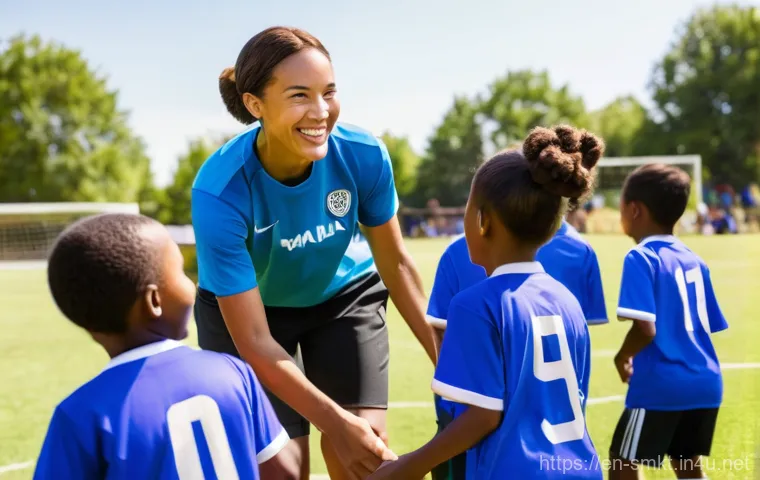
One area where I’ve seen brands truly excel is by shifting their focus to community-centric activations. This goes beyond traditional advertising and delves into creating tangible positive impact. Whether it’s sponsoring youth sports leagues, organizing local clinics, or funding community development projects, these initiatives build immense goodwill and demonstrate a brand’s commitment to more than just profit. When I discuss these types of activations during negotiations, the eyes of team and athlete representatives light up. It’s a win-win: the community benefits, the brand builds an authentic connection, and the sports entity strengthens its local ties. I remember a specific campaign where a beverage company funded new equipment for local soccer clubs; the resulting brand loyalty and positive media coverage were far more impactful than any billboard could have achieved. It’s about planting roots and growing together with the community, fostering a sense of shared purpose.
Navigating the NIL Era and Athlete Branding Power
Okay, let’s talk about the seismic shift that is Name, Image, and Likeness (NIL) for college athletes in the US. This has completely reshaped the landscape of athlete endorsements, opening up a whole new frontier for brands and, frankly, a lot of new complexities for negotiation. Suddenly, college athletes, who were once restricted from profiting from their own personas, are now powerful individual brands. I’ve been fascinated watching how quickly some athletes have capitalized on this, building robust personal brands that rival professional athletes. For brands, this means an unprecedented opportunity to tap into incredibly passionate, often local, fan bases through authentic voices. However, it also means understanding the nuances of NCAA rules (which, trust me, are constantly evolving!) and navigating a whole new set of ethical considerations. It’s a wild west in some ways, but one brimming with potential for those who know how to play the game smart. It demands a different kind of expertise now, focusing on individual appeal and compliance.
Empowering Athletes as Influencers
The rise of the athlete as an influencer is undeniable, particularly in the NIL space. These aren’t just athletes; they’re content creators, storytellers, and direct conduits to highly engaged audiences. When negotiating with athletes or their agents now, a significant portion of the conversation revolves around their social media reach, engagement rates, and the authenticity of their personal brand. Brands are no longer just looking for a celebrity endorsement; they’re seeking a genuine partnership where the athlete actively promotes their values and products in an organic way. I’ve seen some incredible campaigns where athletes have leveraged their platforms to drive significant sales or brand awareness, proving that their influence is often more potent and believable than traditional advertising. It’s about leveraging their voice, their platform, and their unique connection with fans. It’s a shift from passive endorsement to active advocacy, and it’s something I genuinely believe is here to stay.
Balancing Brand and Individual Identities
This is a delicate dance, but a crucial one: balancing the brand’s identity with the athlete’s personal brand. In NIL deals especially, athletes bring their own established following and persona. The most effective negotiations focus on finding synergies, where both identities can shine without diluting the other. It’s not about forcing an athlete into a mold; it’s about finding where their authentic self naturally aligns with the brand’s message. I often advise clients to look for athletes whose values and lifestyle genuinely reflect what their brand stands for. For example, a healthy snack brand partnering with a fitness-focused athlete makes perfect sense and feels natural. Conversely, a forced pairing can feel awkward and, frankly, turn off both the athlete’s followers and the brand’s target audience. It requires deep research and a genuine understanding of both parties to craft a partnership that feels seamless and mutually beneficial, ensuring longevity and real impact.
The Power of Personalization in Fan Engagement
If you’re still thinking about fan engagement in broad strokes, you’re missing the boat. Today, it’s all about personalization. Fans expect experiences tailored to their preferences, whether it’s through customized content, exclusive access, or unique merchandise. I’ve seen a massive push in this direction, and it’s something I advocate for strongly when consulting on sponsorship strategies. Brands that invest in understanding individual fan journeys and tailoring their activations accordingly are the ones seeing incredible returns. This isn’t just a trend; it’s a fundamental shift in how we connect with audiences, moving from a one-size-fits-all approach to highly segmented, deeply relevant interactions. It makes fans feel seen, valued, and more deeply connected to both the team/athlete and the sponsoring brand. I mean, who doesn’t love feeling special, right? It’s human nature, and smart marketers are tapping into it.
Tailoring Experiences for Maximum Impact
The beauty of modern data analytics is that it allows us to create truly tailored experiences that resonate on an individual level. Imagine a fan who primarily follows a specific player getting personalized content or exclusive offers related to that player. Or a season ticket holder receiving early access to team events. These aren’t just nice-to-haves; they’re powerful engagement tools. During negotiations, I always bring up how a brand can leverage fan data (ethically, of course!) to deliver these personalized touches. This could mean anything from custom email campaigns to interactive digital experiences at live events. When a fan feels like a brand understands them, they’re far more likely to engage, remember the brand, and ultimately, become a loyal customer. It’s about moving beyond generic messaging and hitting those specific notes that make an individual fan feel truly valued and connected.
Direct-to-Fan Strategies
The rise of digital platforms has empowered sports organizations and brands to adopt more direct-to-fan strategies, bypassing traditional media gatekeepers. This opens up incredible avenues for personalized engagement and direct monetization. Think about exclusive content apps, subscriber-only fan clubs, or direct merchandise sales linked to specific players or events. When negotiating, I highlight how brands can integrate into these direct channels, offering unique value directly to the most passionate fans. This could be through exclusive content sponsorships, interactive fan polls tied to brand promotions, or even branded digital collectibles. It’s about building a direct relationship, fostering a sense of community, and creating a loyal following that can be leveraged for sustained engagement and revenue. From my perspective, this direct line to the fan is one of the most exciting developments in sports marketing, offering unparalleled opportunities for deep connection.
Measuring Success: The Evolving ROI Metrics

Let’s talk brass tacks: every single brand wants to know their investment is paying off. But what constitutes “return on investment” in sports marketing has dramatically evolved. It’s no longer just about media equivalency or how many times a logo was seen. Now, we’re diving much deeper into measurable outcomes, and frankly, if you’re not, you’re missing a huge piece of the puzzle. I’ve seen firsthand how conversations have shifted from anecdotal success to rigorous data analysis. Brands are demanding proof, and rightly so. This means tracking everything from website traffic and social media engagement to actual sales conversions attributed directly to a sponsorship. It’s about demonstrating tangible business results that go beyond mere brand awareness. We’re moving into an era where every dollar spent needs to be justified with hard numbers, and that’s a good thing, as it pushes everyone to be more strategic and accountable. It challenges us to be better at what we do.
From Exposure to Engagement and Conversion
This transition is critical. While exposure still plays a role, the real gold is in engagement and, ultimately, conversion. When I’m negotiating, I make sure to emphasize how a partnership will not only put a brand in front of an audience but also compel that audience to *act*. This means strategizing beyond passive viewership to active participation – comments, shares, clicks, and purchases. We’re talking about tracking everything from QR code scans at an event to website traffic spikes post-social media activation. The ability to directly link a sponsorship to measurable business objectives, like lead generation or sales, is what truly excites clients. I’ve personally helped craft deals where the success metrics included specific conversion rates, proving that the sponsorship wasn’t just a feel-good expense but a powerful revenue driver. It’s about moving up the marketing funnel, not just casting a wide net.
Advanced Analytics for Sponsorship Evaluation
The tools we have today for evaluating sponsorships are simply incredible compared to a decade ago. We’re talking about sophisticated attribution models, sentiment analysis, and cross-platform tracking that can paint a remarkably clear picture of a partnership’s true impact. During negotiations, being able to present a comprehensive framework for evaluation using these advanced analytics is a huge differentiator. It shows transparency, expertise, and a commitment to measurable results. This could involve using custom dashboards to track real-time performance, A/B testing different activation strategies, or employing AI to analyze vast datasets for deeper insights. For me, it’s about giving clients peace of mind, knowing that their investment is not only being monitored rigorously but also optimized for maximum return throughout the duration of the partnership. It’s about taking the guesswork out of the equation and providing concrete evidence of success.
Crafting Win-Win Partnerships: Long-Term Vision
At the end of the day, the most successful sports marketing deals aren’t just transactions; they’re genuine partnerships built on a shared vision. I’ve learned that a short-sighted, one-off approach rarely yields lasting value. What truly drives success and repeat business is a commitment to fostering long-term relationships where both parties feel they’re gaining something significant. This means moving beyond a purely monetary exchange to co-create value, explore new opportunities together, and genuinely support each other’s objectives. When I’m involved in crafting these deals, I always push for clauses that encourage flexibility, collaborative content creation, and shared growth metrics. It’s about building a foundation of trust and mutual respect, which ultimately leads to more innovative campaigns and stronger brand resonance. It’s a bit like building a strong team; everyone needs to be invested in the collective success.
Strategic Alignment Over Short-Term Gains
This is a tough one for some, but I firmly believe that prioritizing strategic alignment over immediate, short-term gains is the hallmark of a truly impactful sponsorship. It’s about identifying partners whose brand values, target audiences, and long-term objectives genuinely complement your own. A big check might be tempting, but if the partnership feels forced or misaligned, it’s unlikely to deliver authentic results or resonate with consumers. When I’m helping brands navigate this, I encourage them to look beyond just the financial offer and assess the broader strategic fit. Will this partnership enhance our brand story? Will it open doors to new markets or demographics in a meaningful way? These are the questions that lead to truly transformative collaborations, not just fleeting campaigns. It’s an investment in a shared future, not just a present-day transaction.
Negotiation as a Partnership-Building Exercise
I’ve always viewed negotiation not as a battle to be won, but as an exercise in building a robust partnership. It’s about finding common ground, understanding each other’s needs and limitations, and creatively structuring a deal that benefits everyone involved. This mindset is crucial, especially in the evolving sports marketing landscape where flexibility and collaboration are key. Instead of sticking rigidly to demands, I encourage open dialogue, brainstorming sessions, and a willingness to explore unconventional solutions. Perhaps a brand offers a unique technological integration instead of just cash, or an athlete commits to a series of community events. These creative solutions often lead to more innovative and impactful campaigns than a purely financial agreement ever could. When both sides leave the table feeling genuinely excited about the collaboration, you know you’ve done your job right.
The Rise of Digital and Social Media in Deal Structures
There’s no denying it: digital and social media have completely rewritten the rules of engagement in sports marketing. What used to be an afterthought or a bonus activation is now often central to the entire sponsorship deal. I’ve watched firsthand as brands have shifted huge portions of their marketing budgets towards digital platforms, recognizing the unparalleled reach and engagement they offer. This means that when we’re structuring deals, we’re not just thinking about stadium signage; we’re meticulously planning out digital content calendars, influencer activations, and measurable social media campaigns. It’s a dynamic, fast-paced environment where creativity and agility are paramount. If a brand isn’t leveraging these channels effectively, they’re simply leaving massive opportunities on the table. It’s about meeting fans where they are, and increasingly, they’re online, scrolling through their feeds, looking for engaging content. This is where real connections are forged in the modern era.
Leveraging Influencers and Content Creators
The power of influencers and content creators in the sports world, particularly on platforms like Instagram, TikTok, and YouTube, cannot be overstated. These individuals, whether athletes themselves or dedicated sports enthusiasts, have cultivated incredibly loyal and engaged followings. When negotiating, I often explore opportunities for brands to collaborate with these key figures, integrating them into the sponsorship structure. This goes beyond a simple endorsement; it’s about co-creating authentic content that resonates deeply with their audience. I’ve seen brands achieve phenomenal reach and conversion by partnering with an influencer who genuinely loves their product, sharing their experience in an organic, relatable way. It’s a direct conduit to a specific demographic, and it feels far more trustworthy than a traditional advertisement. It’s about tapping into authentic voices that fans already trust and follow, making the brand feel more like a friend than a corporate entity.
Integrating Digital Activations into Every Deal
Gone are the days when digital elements were an add-on. Now, every single sponsorship deal, from a local team partnership to a global event, needs to have robust digital activations baked into its core. This means thinking about how a brand’s message will come to life across websites, social media channels, streaming platforms, and even gaming environments. During negotiations, I work with clients to outline specific digital deliverables: exclusive online content, interactive fan polls, virtual reality experiences, or integrated e-commerce opportunities. It’s about creating a holistic experience that extends beyond the physical realm, allowing fans to engage with the brand and the sport 24/7. This comprehensive digital integration ensures maximum reach, deeper engagement, and ultimately, a more impactful return on investment for the sponsoring brand. It’s no longer optional; it’s absolutely essential for modern sports marketing success.
| Key Elements of Modern Sports Marketing Negotiation | Traditional Approach | Modern Approach |
|---|---|---|
| Primary Focus | Brand visibility & media equivalency | Fan engagement, ROI, and brand storytelling |
| Decision Making | Intuition, historical relationships | Data analytics, predictive modeling, market research |
| Athlete Role | Endorser, celebrity spokesperson | Influencer, content creator, authentic brand partner |
| Fan Interaction | Passive consumption (TV, stadium) | Personalized, interactive, multi-platform engagement |
| Success Metrics | Reach, impressions | Conversion rates, sentiment analysis, direct sales attribution |
| Partnership Duration | Often short-term, transactional | Long-term strategic alliances, co-creation |
Closing Thoughts
Whew! What a journey we’ve taken through the dynamic world of sports sponsorships. It’s clear that the landscape is constantly shifting, demanding more from us than ever before. But honestly, that’s what makes it so exhilarating! If there’s one thing I hope you take away from our chat today, it’s that adapting, embracing data, and fostering genuine connections aren’t just buzzwords – they’re the bedrock of truly impactful and rewarding partnerships. It’s about being strategic, staying human, and always looking ahead. I truly believe that by focusing on these elements, we can all craft incredible stories and achieve remarkable success together in this exciting space.
Useful Information to Know
1. Data is your superpower: Always lead with insights, not just instincts, to prove value and target effectively.
2. Authenticity trumps all: Fans crave real connections, so align with partners whose values genuinely resonate with yours.
3. Embrace the NIL era: College athletes are powerful influencers; understand their unique reach and compliance nuances.
4. Personalization pays off: Tailored experiences make fans feel valued, driving deeper engagement and loyalty.
5. Digital is non-negotiable: Integrate robust digital and social media activations into every deal for maximum reach and engagement.
Key Takeaways
The modern sports sponsorship realm is an incredible blend of analytics, authentic storytelling, and strategic partnerships. Success hinges on a willingness to evolve, prioritize genuine fan engagement through personalized experiences, and leverage the power of digital platforms and individual athletes. It’s about building long-term, mutually beneficial relationships that go beyond simple transactions, ultimately creating a lasting impact for brands, teams, and fans alike. Let’s keep those conversations going and continue to innovate!
Frequently Asked Questions (FAQ) 📖
Q: How has the landscape of sports marketing negotiation fundamentally shifted in recent years, beyond just bigger budgets?
A: Oh, this is such a brilliant question because it gets right to the heart of things! From my vantage point, the biggest shift I’ve personally observed isn’t just about more money changing hands, but how that money is being spent and what it’s buying.
We’ve moved light-years past simply sticking a logo on a jersey or a stadium wall. Seriously, those days are pretty much gone. Now, negotiation is about crafting intricate, multi-layered partnerships that weave a brand into the very fabric of a team, an athlete’s story, or an event’s experience.
I’ve noticed a huge emphasis on digital integration – think immersive social media campaigns, exclusive online content, interactive fan experiences, and even unique NFTs.
It’s not just about visibility anymore; it’s about engagement and creating a genuine, emotional connection with the audience. Brands want to be part of the conversation, not just shouting from the sidelines.
This means negotiations are far more complex, involving specialists in digital, data, and content creation, all working to build something truly impactful.
Q: What essential skills or strategies are now non-negotiable for anyone looking to succeed in sports marketing negotiations?
A: If you’re eyeing a career in this super exciting field, or even if you’re a brand owner trying to navigate it, let me tell you, the playbook has definitely expanded!
What I’ve personally found to be absolutely crucial is a fantastic blend of sharp business acumen and, perhaps surprisingly, emotional intelligence. You need to be a whiz with data – understanding analytics to identify trends, measure impact, and predict future successes is paramount.
Gone are the days of gut feelings alone! But beyond the numbers, you also need to be a masterful storyteller. Seriously, being able to articulate a compelling narrative around a partnership – how it benefits the brand, the athlete, and the fans – is gold.
Plus, having a deep understanding of digital marketing and how to leverage social media influencers effectively is no longer a ‘nice-to-have’ but an absolute ‘must-have.’ It’s about building authentic connections and understanding the fan journey inside out.
When I’ve seen people truly excel, they’re the ones who can speak the language of both spreadsheets and sentiment.
Q: With so many new elements, how can brands and properties truly ensure they’re getting a valuable return on investment (ROI) from their sports marketing deals?
A: This is the million-dollar question, isn’t it? Because at the end of the day, everyone wants to know their investment is paying off. From my perspective, ensuring a valuable ROI in today’s sports marketing world boils down to a few key areas that are absolutely non-negotiable.
First, you have to start with crystal-clear, measurable objectives. What exactly are you trying to achieve? Is it brand awareness, sales leads, website traffic, fan engagement, or something else entirely?
Once those goals are defined, leveraging predictive analytics and real-time data becomes your best friend. I’ve seen how powerful it is to use data not just to measure past performance, but to actually shape future strategies and identify emerging opportunities.
It’s also vital to integrate your sports marketing efforts across all platforms – digital, social, traditional – to create a cohesive, omnipresent message.
And finally, and this is where the human touch comes in, focus on creating authentic, unique experiences for fans. When fans feel a genuine connection, the impact on brand loyalty and advocacy is undeniable, and that, my friends, is a return on investment that goes far beyond any single transaction.
It’s about building a legacy, not just making a sale.