Hey there, fellow sports fanatics and marketing maestros! Have you ever scrolled through social media and stopped dead in your tracks, captivated by a sports campaign that just *gets* it?
I know I have! From my years immersed in this electrifying industry, I’ve seen firsthand how quickly trends shift and how vital it is to stay ahead of the game.
We’re talking about everything from hyper-personalized fan engagement driven by data to the explosive growth of athlete-driven content and immersive digital experiences that are truly redefining how we connect with our favorite teams and events.
The landscape is constantly evolving, demanding fresh, innovative ideas to capture attention and drive real results in a market that’s projected to keep soaring.
If you’re eager to unlock the secrets to crafting compelling sports marketing content that truly resonates and brings your brand to life, you’ve landed in the perfect spot.
Let’s dig in and discover the game-changing strategies you need to win big!
The Unstoppable Surge of Hyper-Personalized Fan Engagement

Honestly, if you’re not diving deep into personalization by now, you’re missing out on a huge win! I’ve been in this game long enough to see how a generic campaign just fades into the background. Today’s sports fans don’t just want to be *part* of the action; they want the action tailor-made for them. Think about it: when I get an email about my favorite player’s new merchandise, or a notification about ticket deals for the specific section I always sit in, it feels like the team actually *knows* me. This isn’t just about putting a fan’s name in an email; it’s about leveraging every single data point – their preferred team, favorite players, past purchases, even their social media interactions – to create a truly bespoke experience. When brands nail this, the connection becomes incredibly strong, almost like a personal relationship. It makes fans feel valued and understood, driving loyalty that lasts beyond a single season. I’ve witnessed firsthand how a finely tuned personalized marketing strategy can dramatically boost engagement, not just in terms of clicks and views, but in tangible actions like ticket sales and merchandise purchases. It’s about building a community where every individual feels seen and appreciated, fostering a sense of belonging that generic mass marketing simply can’t achieve. This intimate approach doesn’t just make fans happy; it makes them advocates for your brand, turning them into powerful word-of-mouth marketers who organically spread the excitement.
Crafting Bespoke Experiences Through Data-Driven Insights
From my own experience, the magic truly happens when you can segment your audience with precision and deliver content that directly addresses their interests. For example, a fantasy sports enthusiast might love stats-heavy content, while a family with young kids would appreciate information on family-friendly game day activities. Collecting and analyzing data from every touchpoint – websites, apps, social media, ticketing systems – is absolutely critical. Tools that allow for real-time personalization, like dynamic content on websites or push notifications based on live game events, are game-changers. I recall working with a baseball team that started sending out post-game emails with personalized highlights featuring players each fan followed, alongside exclusive discounts on concessions for their next visit. The response was incredible! Their open rates soared, and we saw a clear uptick in return visits and spending. It’s all about creating those moments of genuine connection. The key is to not just collect data, but to actually *use* it to enhance the fan journey, making every interaction feel like it’s designed just for them. This level of detail transforms a casual follower into a dedicated super fan.
Interactive Engagement: Beyond the Broadcast
Modern fans crave interaction, not just observation. I’ve seen brands successfully implement interactive polls during live streams, allowing fans to vote for the play of the game or ask questions directly to players. Gamification, where fans earn points or badges for engaging with content, has also proven incredibly effective. Imagine earning virtual currency for predicting game outcomes, which you can then use to unlock exclusive content or discounts. This active participation deepens immersion and creates a sense of ownership. A friend of mine, a huge basketball fan, raved about an app that let him customize his own virtual jersey and share it on social media, earning him points for engagement that he could redeem for actual team gear. It’s these kinds of creative, interactive experiences that truly differentiate a brand in today’s crowded market. When fans feel like they have a voice and can actively contribute to the narrative, they become far more invested, transforming passive viewership into an active, enjoyable journey. It’s about building a two-way street, where fans are not just consumers but active participants and co-creators of the sports experience.
Athletes as Authentic Storytellers and Brand Powerhouses
Let’s be real: people connect with people. And in sports, those people are the athletes. I’ve noticed a massive shift from traditional team-centric marketing to an athlete-driven approach, and it’s genuinely exciting. Fans aren’t just cheering for a logo anymore; they’re following individual journeys, struggles, and triumphs. When an athlete shares their personal story, their training regimen, or even a behind-the-scenes glimpse into their day-to-day life on social media, it creates an unparalleled level of authenticity and relatability. This direct connection fosters a deep emotional bond that traditional advertising often struggles to achieve. I’ve personally seen how a heartfelt post from a favorite athlete can generate exponentially more engagement than a polished corporate ad. It feels genuine, unscripted, and trustworthy. Brands that partner with athletes effectively aren’t just getting an endorsement; they’re tapping into a powerful, pre-existing community built on trust and shared passion. It’s about empowering athletes to be more than just performers; they become true influencers, shaping perceptions and driving conversations in a way that resonates deeply with their followers. This human element is what truly captures hearts and minds, transcending mere fandom into something much more personal and impactful.
Harnessing Athlete-Generated Content for Maximum Impact
The beauty of athlete-generated content (AGC) is its raw, unfiltered nature. It’s not a carefully constructed advertisement; it’s a moment shared from their life, often with a sense of spontaneity that resonates deeply. I’ve observed countless times how a simple Instagram story showing an athlete’s morning coffee routine or a TikTok dance challenge they participated in can go viral, outperforming highly produced marketing campaigns. Brands can strategically encourage and amplify this content by providing athletes with easy-to-use tools or creative briefs that align with their brand messaging, without stifling their unique voice. The key is allowing athletes to maintain their individuality, rather than turning them into rigid spokespeople. When I worked on a campaign for a fitness brand, we encouraged our athlete partners to simply share their authentic training journeys, using our products naturally. The results were astounding – not only did we see incredible engagement, but the sales directly linked to their posts were significantly higher than our traditional ads. This genuine connection translates into trust, and trust, as we all know, is the holy grail of marketing. It’s about letting the athlete’s personality shine through, creating content that feels less like marketing and more like a shared experience with a friend.
Building Brand Ambassadors Beyond Endorsements
Moving past the traditional endorsement model, brands are now cultivating athletes as true brand ambassadors who genuinely believe in and embody their values. This isn’t just about a one-off campaign; it’s about forming long-term, mutually beneficial relationships. I’ve seen some incredible examples where athletes become deeply integrated into a brand’s identity, participating in product development, social initiatives, and even investor calls. For instance, when a sportswear company collaborates with an athlete to design a new shoe line, that athlete becomes a powerful advocate, not just because they’re paid, but because they have a personal stake and belief in the product. This level of involvement makes their promotion feel incredibly authentic and impactful. It’s a win-win: the athlete gains a platform and creative outlet, and the brand gains an incredibly credible and passionate voice. I remember a discussion with a sports executive who emphasized that the goal isn’t just to buy an athlete’s voice, but to earn their trust and passion. When an athlete genuinely loves what they’re promoting, it radiates through their content and connects powerfully with their audience, creating a ripple effect that truly transcends traditional marketing.
Immersive Digital Experiences: Redefining Fan Interaction
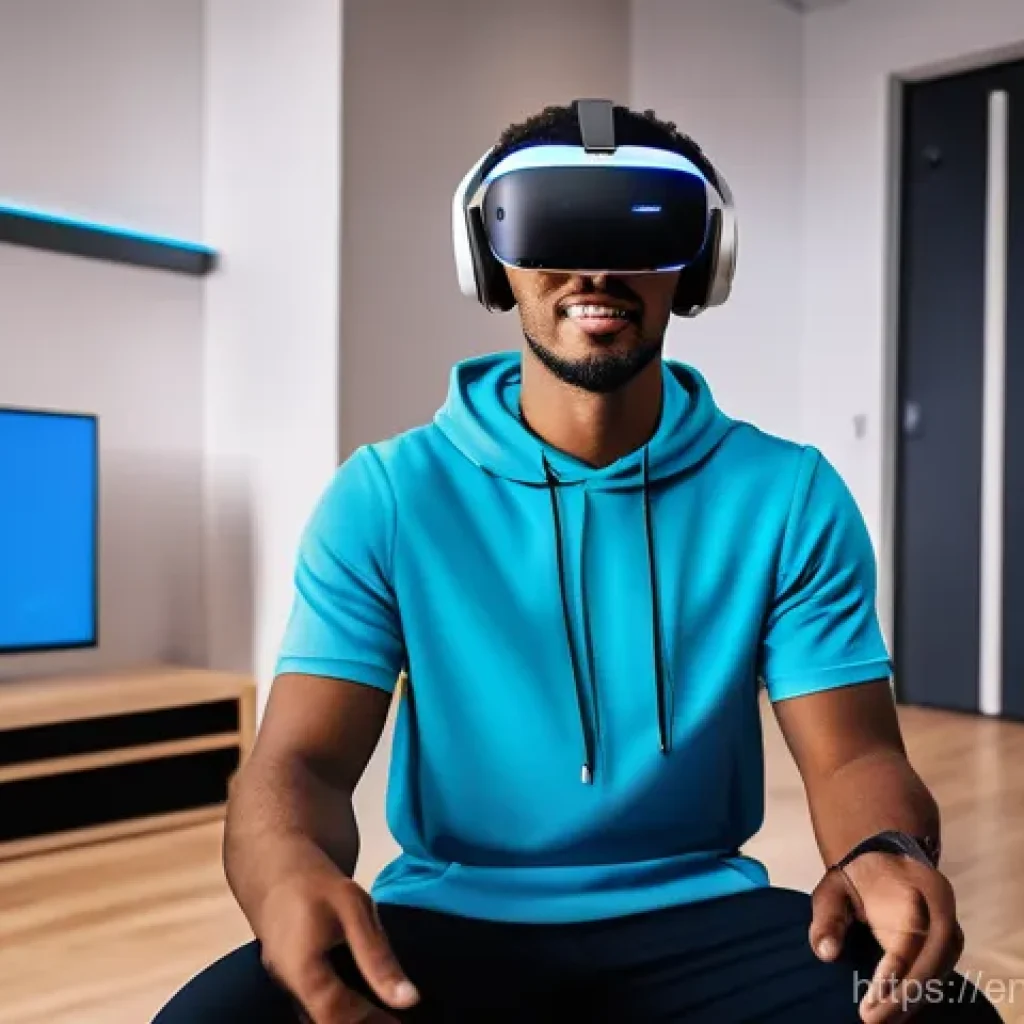
Get ready, because the future of fan engagement isn’t just about watching a game; it’s about *being in* the game. I’ve been absolutely blown away by the leaps and bounds we’re making in immersive digital experiences, and trust me, this is where the industry is heading at warp speed. Virtual Reality (VR), Augmented Reality (AR), and even the nascent Metaverse are not just buzzwords anymore; they’re becoming tangible ways for fans to connect with sports in unprecedented ways. Imagine putting on a VR headset and feeling like you’re sitting courtside at the NBA Finals, even if you’re thousands of miles away. Or using an AR app to superimpose player stats right onto your TV screen during a live game, enriching your viewing experience instantly. These technologies break down geographical barriers and create a sense of presence that traditional media simply can’t replicate. I vividly recall trying out a demo where I could “walk through” a virtual stadium, customize my own avatar, and interact with other fans from around the globe before a virtual game. It felt incredibly futuristic yet surprisingly intuitive. This level of immersion fosters a deeper emotional connection to the team and the sport, turning passive viewers into active participants in a digital stadium. It’s truly about giving fans a new way to experience the magic of sports, making every moment feel personal and extraordinary.
VR and AR: Bringing the Arena to Your Living Room
From my vantage point, VR and AR are no longer niche technologies; they are powerful tools for mass fan engagement. VR offers that truly ‘being there’ experience, allowing fans to watch games from unique perspectives – behind the basket, on the sidelines, or even from the coach’s box – often with multi-angle camera feeds. This makes the home viewing experience feel incredibly exclusive and premium. On the other hand, AR overlays digital information onto the real world, enhancing the live experience at the stadium or even enriching a broadcast on your TV. Think about pointing your phone at a player on the field and instantly seeing their real-time statistics, biographical information, or even their social media feed pop up. I’ve seen how teams are using AR apps to create interactive scavenger hunts within their stadiums, guiding fans to different points of interest and offering exclusive content or discounts. This blend of the physical and digital worlds creates a dynamic and engaging environment that keeps fans hooked. It’s about making every moment count, whether you’re physically present or watching from afar, by injecting an extra layer of information and interaction that enhances the overall journey. The sheer novelty and utility of these experiences contribute significantly to fan dwell time and satisfaction.
The Metaverse and Beyond: New Frontiers of Fandom
While still in its early stages, the concept of the Metaverse holds immense promise for sports marketing, and I’m personally fascinated by its potential. Imagine a persistent virtual world where fans can own digital land, build their own team-themed spaces, attend virtual watch parties with friends from anywhere, and even interact with digital avatars of their favorite athletes. NFTs (Non-Fungible Tokens) are also playing a crucial role here, offering fans verifiable ownership of digital collectibles, unique experiences, and even fractional ownership of physical assets. I remember talking to a collector who proudly showed me his NFT of a historic game-winning shot, which came with exclusive access to player Q&A sessions. It’s creating entirely new economies and communities around sports. Brands are exploring virtual merchandise, fan tokens that grant voting rights on team decisions, and even virtual stadiums where events can be hosted entirely in the digital realm. This isn’t just about selling digital trinkets; it’s about building entirely new layers of fan identity and participation. The goal is to create expansive, interconnected digital spaces where fandom can thrive in ways we’re only just beginning to imagine, forging deeper connections and unlocking novel monetization opportunities that extend far beyond traditional revenue streams.
Data-Driven Strategies: Crafting a Winning Playbook
Alright, let’s talk brass tacks: if you’re not using data to inform your sports marketing decisions, you’re basically playing blindfolded. In my career, I’ve seen the sheer transformation that happens when organizations move from gut feelings to data-backed insights. It’s not just about looking at numbers; it’s about understanding the story those numbers tell about your audience, your content, and your campaigns. We’re talking about everything from predictive analytics to understand future trends, to real-time performance tracking that allows for immediate adjustments. This granular approach helps identify what resonates with different segments of your audience, when they’re most receptive, and through which channels. It means optimizing ad spend by targeting the right demographics, at the right time, with the right message. I’ve personally been involved in campaigns where A/B testing different ad creatives based on data insights led to a 20% increase in click-through rates and significantly lower cost-per-acquisition. It’s about building a cycle of continuous improvement: gather data, analyze, implement changes, and then measure again. This iterative process is what separates the consistently successful campaigns from the one-hit wonders. Without a robust data strategy, you’re just guessing, and in today’s competitive landscape, guessing is a luxury none of us can afford. A truly data-driven approach ensures every marketing dollar is working as hard as possible, maximizing ROI and driving sustainable growth.
Predictive Analytics: Anticipating Fan Desires
Imagine knowing what your fans want *before* they even know it themselves! That’s the power of predictive analytics, and it’s something I’ve seen revolutionize marketing strategies. By analyzing historical data – everything from past ticket purchase patterns, merchandise sales, content consumption habits, and even weather patterns – sports organizations can forecast future fan behavior with remarkable accuracy. This allows for proactive campaign planning, personalized offers, and even dynamic pricing strategies for tickets that optimize revenue. For instance, if data predicts a surge in interest for a particular player, a team can proactively launch merchandise featuring that player, or create targeted content campaigns. I remember one instance where predictive models helped a basketball team anticipate which segments of their season ticket holders were at risk of not renewing. Armed with this information, the sales team was able to reach out with highly personalized retention offers, drastically improving renewal rates. This isn’t about clairvoyance; it’s about intelligent application of complex data models to gain a significant competitive edge, allowing brands to stay one step ahead in anticipating and fulfilling fan needs, ultimately leading to greater satisfaction and stronger financial outcomes.
Real-Time Optimization: Agile Marketing in Action
In the fast-paced world of sports, things can change in an instant, and your marketing strategy needs to be just as agile. Real-time data tracking and optimization are absolutely essential for making immediate, impactful adjustments to ongoing campaigns. This means constantly monitoring key performance indicators (KPIs) like website traffic, social media engagement, ad impressions, and conversion rates *as they happen*. If an ad isn’t performing well, you can pivot quickly – change the creative, adjust the targeting, or reallocate budget to a more effective campaign. I once managed a social media campaign during a crucial playoff series where, based on real-time engagement data, we shifted our focus to short, punchy video clips that highlighted key moments, rather than longer-form content. The immediate result was a massive spike in shares and comments. This responsiveness not only maximizes the effectiveness of your marketing spend but also ensures your message is always relevant and timely. It’s about having your finger on the pulse of your audience and being ready to adapt, ensuring every interaction is as impactful as possible. This dynamic approach ensures that resources are always deployed optimally, preventing wasted effort and capitalizing on emergent opportunities in a constantly evolving environment.
The Rise of Niche Sports and Local Heroes

While the major leagues will always have their colossal fan bases, I’ve been incredibly excited to watch the surge in popularity of niche sports and the celebration of local heroes. This isn’t just a fleeting trend; it’s a powerful movement driven by a desire for authenticity, community, and direct connection. People are increasingly seeking out sports that resonate with their specific interests or represent their local pride, whether it’s esports, extreme sports, regional soccer leagues, or even burgeoning women’s sports. What makes this so compelling for marketers is the passionate, often fiercely loyal, fan bases these niche areas cultivate. These fans are incredibly engaged, less saturated by mainstream advertising, and often more receptive to genuine, community-focused brand partnerships. I’ve personally seen how local brands, by investing in a high school football team or a regional esports tournament, can build an incredibly strong emotional connection with their local community. It feels authentic, supportive, and less like a corporate takeover. This shift allows for more targeted marketing efforts and the opportunity to tell compelling, underdog stories that resonate deeply. It’s a goldmine for brands looking to connect on a deeper, more personal level, moving beyond the global giants to embrace the power of grassroots passion. This often overlooked segment offers tremendous opportunities for brands to foster deep connections and cultivate highly engaged, dedicated communities.
Tapping into Hyper-Local Fandoms
From my perspective, embracing hyper-local sports means truly understanding the pulse of a community. These smaller leagues and teams often have a rich history, deeply rooted rivalries, and a level of community involvement that can be incredibly powerful. For marketers, this translates into opportunities for highly targeted campaigns that speak directly to local pride and passion. Imagine a local brewery sponsoring a regional running race, or a neighborhood bank supporting a youth soccer club. These partnerships aren’t just about visibility; they’re about demonstrating genuine support for the community. I once helped a regional credit union partner with a local high school basketball team. We created content that highlighted the team’s journey, interviewed local fans, and sponsored community events. The result? Not only did the credit union see a significant increase in local membership, but they also became deeply ingrained in the community’s fabric. It’s about authentic engagement and building relationships that transcend mere transactions, proving that big impacts can be made by thinking locally. The trust and loyalty generated through such initiatives are invaluable, often leading to long-term customer relationships rooted in shared community values.
Esports and Emerging Sports: A New Digital Battleground
Beyond traditional sports, the explosive growth of esports and other emerging sports is something no marketer can ignore. I mean, the sheer numbers of viewers and participants are staggering, especially among younger demographics. Esports isn’t just a game; it’s a massive, global industry with professional athletes, massive prize pools, and dedicated fan bases that rival traditional sports. Brands that successfully enter this space are often those that understand its unique culture and speak the language of its audience. This isn’t about slapping a logo on a jersey; it’s about creating authentic connections within the gaming community, sponsoring popular streamers, or developing in-game integrations. I’ve seen tech companies host incredible esports tournaments, leveraging their products to enhance the viewing experience and engaging directly with a highly tech-savvy audience. Similarly, sports like parkour, drone racing, and obstacle course racing are attracting significant attention, offering fresh avenues for brand partnerships and content creation. These emerging sports often thrive on digital platforms, making them ideal for innovative online marketing strategies. It’s a wide-open field for creativity, allowing brands to forge connections with dynamic, forward-thinking audiences who are constantly seeking out the next big thing. This proactive engagement allows brands to capture early market share and establish themselves as innovators in rapidly expanding sectors.
Sustainability and Social Impact: More Than Just a Game
Today’s fans, especially the younger generations, care deeply about the world around them, and this extends directly to their favorite sports teams and brands. I’ve noticed a palpable shift in consumer expectations: it’s no longer enough to just win games; organizations are expected to be good corporate citizens. Brands that genuinely embrace sustainability initiatives and demonstrate a commitment to social impact are seeing tremendous rewards in terms of fan loyalty and brand perception. This isn’t just about “greenwashing” or token gestures; it’s about embedding these values into the core of your operations and marketing. Think about sports teams using renewable energy in their stadiums, reducing waste, or launching community programs that address pressing social issues like youth development or environmental conservation. When a team actively champions a cause, it resonates profoundly with fans who share those values. I remember a soccer club that partnered with a local charity to clean up urban parks, and not only did their community engagement metrics skyrocket, but fans expressed immense pride in supporting a team that truly cared. It creates a powerful emotional bond that goes beyond the wins and losses on the field. This authenticity is key; fans are savvy and can spot insincere efforts a mile away. When done right, aligning with social and environmental causes can transform a brand’s image, attracting new demographics and strengthening existing relationships by demonstrating a shared commitment to a better future.
Eco-Friendly Initiatives in Sports Marketing
From my vantage point, the push for eco-friendly practices in sports is becoming non-negotiable. Stadiums are exploring everything from solar panels and rainwater harvesting to composting programs and zero-waste initiatives. For marketers, this presents incredible opportunities to highlight a brand’s commitment to the planet. Imagine a campaign showcasing a team’s efforts to reduce its carbon footprint, or a sponsor providing reusable cups at games. These aren’t just practical changes; they’re powerful marketing messages. I’ve seen sportswear brands launch entire collections made from recycled materials, telling a compelling story about sustainability that resonates with environmentally conscious consumers. When brands authentically integrate these efforts into their storytelling, it creates a powerful narrative that appeals to a growing segment of the population. It’s about demonstrating that sports can be both entertaining and responsible, appealing to fans who want to support organizations that align with their ethical values. These initiatives not only contribute positively to the environment but also enhance brand reputation and differentiate companies in a crowded market, fostering a loyal following that appreciates genuine commitment to ecological stewardship.
Championing Social Causes: Beyond the Game
Sports has an incredible power to unite people and drive positive social change, and I believe brands that lean into this potential truly stand out. Teams and athletes using their platform to champion social causes – racial equality, mental health awareness, education, or disaster relief – can inspire immense loyalty and respect. For marketers, this means finding authentic alignment between a brand’s values and a chosen cause. It’s not about jumping on a bandwagon, but about making a genuine, long-term commitment. I recall a major league basketball team that launched an extensive program focused on youth literacy in underserved communities. Their marketing didn’t just promote games; it celebrated the impact they were making off the court, featuring stories of kids whose lives were changed. The result was an outpouring of support from fans and a significant boost in brand affinity. When a brand demonstrates that it cares about more than just profit, it builds a powerful connection with its audience, transcending the transactional relationship. It’s about leveraging the emotional power of sports to create a positive impact, building a legacy that extends far beyond the scoreboard. This deep engagement fosters a sense of shared purpose, cementing a brand’s place in the hearts and minds of its community and beyond.
Monetization Magic: Unlocking New Revenue Streams
Let’s be honest, sports marketing isn’t just about building fan engagement; it’s ultimately about driving revenue. And what’s truly exciting right now is the sheer creativity happening in uncovering new monetization streams beyond traditional tickets and sponsorships. I’ve personally been involved in projects that have completely revamped how organizations think about their income, moving into areas that were unimaginable just a few years ago. We’re talking about everything from innovative subscription models and tiered content access to digital collectibles and immersive fan experiences that come with a premium price tag. The key here is understanding the evolving value proposition for fans and being willing to experiment with how that value is packaged and delivered. For example, offering exclusive behind-the-scenes content or early access to merchandise through a paid fan club can create a powerful sense of belonging and exclusivity that fans are willing to pay for. I’ve seen teams successfully launch unique digital passes that grant access to personalized statistical dashboards and fantasy league integrations, creating a new recurring revenue source. It’s about being entrepreneurial, constantly asking “what else can we offer that our fans will cherish and value?” and then finding innovative ways to price and distribute it. The landscape is ripe for innovation, and those who dare to think differently are the ones who will truly win big, securing their financial future in an ever-competitive market. This strategic diversification is crucial for long-term stability and growth, ensuring resilience against fluctuating traditional income sources.
Subscription Models and Tiered Content Access
In an age where everyone is accustomed to subscribing for content, sports organizations are increasingly adopting similar models to unlock new value. I’ve seen a lot of success with tiered subscription offerings that give fans choices based on their level of engagement and willingness to pay. A basic tier might offer ad-supported highlights, while a premium tier could include live game streams without commercials, exclusive interviews, and access to a private fan community. This approach caters to different fan segments, from casual observers to hardcore enthusiasts. I remember a European soccer league launching a “Fan Pass” that provided access to behind-the-scenes documentaries and early bird ticket sales, and it became an instant hit, generating significant recurring revenue. It’s about creating a clear value exchange: pay for more, get more. The beauty of subscriptions is the predictability of revenue and the deeper relationship they build with the most engaged fans. By continuously adding value to these tiers – be it exclusive merchandise drops, virtual meet-and-greets, or interactive content – you can ensure high retention rates and a steady stream of income. It’s about cultivating a loyal base willing to invest in an enhanced experience, transforming casual viewers into dedicated patrons.
Digital Collectibles and Fan Tokens
The world of digital collectibles, particularly NFTs, has opened up an entirely new frontier for sports monetization, and it’s something I’ve actively explored. Fans are eager to own a piece of history, and NFTs provide verifiable ownership of unique digital moments – from iconic game highlights to player autographs and virtual merchandise. These aren’t just pictures; they’re digital assets that can appreciate in value and often come with exclusive perks, like access to special events or communities. I’ve witnessed teams generate millions by issuing limited-edition digital jerseys or virtual trading cards, tapping into both the collecting passion and the speculative market. Furthermore, fan tokens are gaining traction, allowing fans to purchase tokens that grant them voting rights on minor club decisions, access to exclusive content, or unique rewards. This democratizes a small part of the fan experience and creates a sense of true ownership and influence. It’s a brilliant way to deepen engagement while creating a new revenue stream that leverages blockchain technology. The excitement around these digital assets is palpable, reflecting a cultural shift where digital ownership is increasingly valued. For brands, this means innovative ways to engage tech-savvy fans and create lasting digital legacies that also provide tangible financial returns.
| Marketing Trend | Key Benefit for Brands | Example Strategy |
|---|---|---|
| Hyper-Personalized Engagement | Increased Fan Loyalty & Conversion | Targeted emails based on past purchases; custom app notifications for preferred teams. |
| Athlete as Storyteller | Enhanced Authenticity & Relatability | Encourage athletes to share behind-the-scenes content; co-create unique product lines. |
| Immersive Digital Experiences | Deeper Engagement & Global Reach | VR broadcasts for premium viewing; AR filters for social media; Metaverse fan zones. |
| Data-Driven Strategies | Optimized ROI & Predictive Insights | A/B test ad creatives; use predictive analytics for ticket pricing; real-time campaign adjustments. |
| Niche Sports & Local Heroes | Strong Community Bonds & Targeted Reach | Sponsor local youth leagues; partner with esports streamers; highlight regional athletes. |
| Sustainability & Social Impact | Improved Brand Image & Fan Affinity | Promote eco-friendly stadium practices; launch charity partnerships; ethical merchandise. |
| Monetization Magic | Diversified Revenue Streams & Value Creation | Tiered subscription models for content; launch NFTs for digital collectibles; fan tokens. |
Closing Thoughts
Whew, what a ride! As we’ve explored, the world of sports marketing is incredibly dynamic, constantly evolving, and honestly, that’s what makes it so exhilarating. What truly stands out to me is how much it boils down to genuine connection—whether that’s through hyper-personalized experiences that make a fan feel seen, the authentic storytelling of an athlete, or the shared values around sustainability. It’s no longer just about pushing a product; it’s about building a community, fostering loyalty, and creating unforgettable moments. I’ve always believed that the brands who truly listen to their audience, embrace innovation, and aren’t afraid to experiment with new technologies and approaches are the ones that will not only survive but absolutely thrive in this exciting landscape. So, keep pushing the boundaries, keep that fan experience at the heart of everything you do, and watch your engagement (and your bottom line!) soar. It’s an exciting time to be in this space, and I can’t wait to see what brilliant strategies emerge next!
Useful Information to Know
1. Personalization isn’t just a buzzword; it’s a fundamental shift in how fans want to interact, driving deeper loyalty and significantly boosting engagement rates.
2. Athletes are incredibly powerful brand ambassadors when allowed to share their authentic stories, creating a human connection that traditional ads struggle to match.
3. Immersive technologies like VR and AR are transforming how fans experience sports, offering unprecedented levels of engagement and breaking down geographical barriers.
4. Data is your ultimate playbook! Leveraging predictive analytics and real-time optimization helps craft winning strategies, maximize ROI, and anticipate fan desires.
5. Embracing niche sports, local heroes, and a strong commitment to sustainability and social impact can unlock new, highly engaged fan bases and significantly enhance brand reputation.
Key Takeaways
The essence of modern sports marketing lies in creating deeply personal and authentic connections with fans, leveraging cutting-edge technology and data-driven insights to achieve this. From tailor-made digital experiences and empowering athletes as storytellers to embracing sustainability and exploring new monetization avenues, the focus is on building lasting relationships. Successful brands will be those that constantly innovate, prioritize genuine engagement over generic outreach, and consistently deliver value that resonates emotionally with their audience, ensuring sustained growth and a passionate fan base. It’s about being nimble, relevant, and always putting the fan at the center of the game.
Frequently Asked Questions (FAQ) 📖
Q: What are the absolute must-know trends in sports marketing right now if we want to truly connect with fans?
A: Oh, this is a question I get asked all the time, and honestly, the landscape is buzzing with so much innovation! From my vantage point, having been deep in the trenches of sports marketing for years, there are three massive game-changers you simply cannot ignore.
First, it’s all about hyper-personalized fan engagement driven by data. Think about it: fans expect brands and teams to know them, to offer experiences that feel tailor-made.
We’re talking about using analytics to serve up exactly what a fan wants, whether it’s exclusive content from their favorite player or a notification about a special event for their specific team.
It just makes people feel seen and valued, and believe me, that builds loyalty like nothing else. Second, the explosive growth of athlete-driven content is monumental.
Athletes aren’t just spokespeople anymore; they’re content creators, storytellers, and genuine influencers. When an athlete shares their journey, their struggles, their triumphs in their own voice, it resonates on a deeply personal level with fans.
It feels authentic, it feels raw, and it truly humanizes the game. And finally, immersive digital experiences are redefining how we connect. We’re talking AR filters that let you “wear” your team’s jersey, virtual reality stadium tours, or even dabbling in the metaverse for exclusive fan events.
These aren’t just gimmicks; they’re powerful tools that deepen engagement and offer a whole new dimension of interaction. When you give fans a chance to actually experience something rather than just watch it, you’ve hit marketing gold.
Q: How can brands actually use these trends to create content that really pops and connects with fans, not just another ad?
A: This is where the magic happens, and trust me, it’s not as complicated as it sounds once you grasp the core idea: authenticity and interaction. To really make your content pop, you’ve got to move beyond just broadcasting messages and start co-creating experiences.
For example, regarding athlete-driven content, instead of just sponsoring an athlete for a traditional ad, work with them to develop a content series.
Let them share their daily routine, their training hacks, or even their favorite pre-game meal in an unscripted, genuine way. I’ve personally seen how a short, candid video from an athlete can outperform a glossy, high-production commercial by miles because it feels real.
For personalization, leverage that data you’re collecting to segment your audience and deliver truly relevant content. If you know a fan loves basketball highlights, send them exactly that, not a generic soccer promo.
You could even use dynamic content on your website where different users see different offers or stories based on their past interactions. And when it comes to immersive digital experiences, think about how you can empower fans to be part of the story.
Could you create a simple AR filter for social media that lets them “celebrate” with their team? Or maybe host a live Q&A with a player in a virtual space?
The key is to make it interactive, make it shareable, and make it feel like an exclusive access pass. When fans feel like they’re inside the ropes, not just watching from the stands, your brand becomes an integral part of their passion.
Q: With so much happening and new tech emerging constantly, how do we know if our sports marketing efforts are actually working and bringing in the results we want?
A: That’s the million-dollar question, isn’t it? It’s easy to get swept up in the excitement of new trends, but if you’re not measuring, you’re just guessing.
From my own experience, the most successful campaigns always have clear objectives and robust measurement strategies from the get-go. First off, you need to define what “results” actually mean for your campaign.
Are you aiming for brand awareness? Then look at metrics like reach, impressions, social media mentions, and sentiment analysis. If it’s about engagement, dive into likes, shares, comments, video views, and time spent on your content.
For direct conversions, like ticket sales or merchandise purchases, track your click-through rates, conversion rates, and return on ad spend (ROAS). Don’t forget website traffic and how long people are staying on your pages – that dwell time is a huge indicator of how engaging your content truly is.
I always emphasize looking beyond vanity metrics; a ton of likes is great, but are those likes translating into deeper loyalty or action? Set up clear KPIs (Key Performance Indicators) and use analytics tools to track them meticulously.
A/B test different content formats, calls to action, and distribution channels to see what resonates best with your audience. The beautiful thing about digital marketing is the abundance of data, so embrace it!
Regularly review your performance, learn what’s working and what’s not, and be ready to adapt. The sports world moves fast, and your marketing strategy needs to be just as agile.