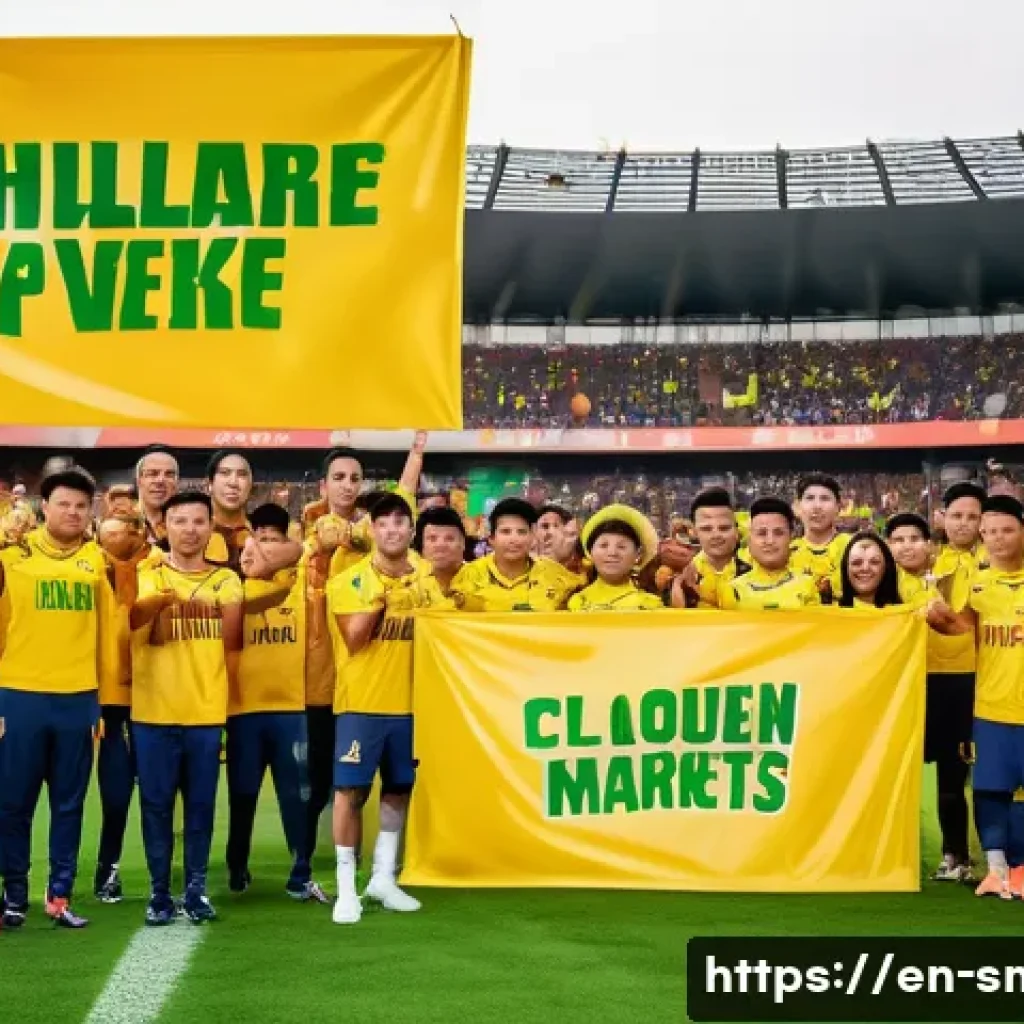
In today’s fast-paced world, sports marketing has evolved into a dynamic powerhouse that connects fans, brands, and athletes on a global scale. With the rise of digital platforms and international events, crafting effective global marketing strategies is more crucial than ever for businesses aiming to expand their reach.
Understanding cultural nuances and leveraging technology can make or break a campaign’s success across borders. Whether it’s sponsoring major tournaments or engaging fans through social media, the blend of sports and global marketing opens exciting opportunities.
Let’s dive deeper and uncover the strategies that drive this thrilling intersection!
Bridging Cultures Through Sport: Mastering Audience Connection
Decoding Cultural Sensitivities in Sports Campaigns
When you think about marketing sports globally, understanding cultural differences is not just helpful—it’s essential. I’ve noticed firsthand that a campaign that resonates in one country might completely miss the mark in another due to varying social norms, values, or even sporting traditions.
For example, a humorous ad that works well in Australia could be perceived as offensive or insensitive in parts of Asia. Successful marketers take the time to research and adapt their messaging, colors, and even athlete endorsements to align with local expectations.
This cultural attunement builds trust and fosters deeper emotional connections with fans, which ultimately drives engagement and brand loyalty.
Using Local Heroes to Amplify Global Reach
One strategy I’ve seen work wonders is leveraging local sports figures who embody the spirit and pride of a community. While global superstars draw broad attention, local heroes can spark a more intimate connection, especially when introducing a brand to a new market.
For instance, a campaign featuring a beloved regional athlete alongside global icons creates a layered narrative that appeals to both local fans and international audiences.
It’s like telling a story that says, “We know and respect your culture, and we bring something bigger to the table.” This dual-appeal approach often results in higher fan participation and positive sentiment.
Adapting Visual and Verbal Messaging Across Borders
The visual elements of sports marketing—logos, colors, and imagery—carry different meanings worldwide. I’ve observed that simple tweaks, like adjusting color schemes to avoid unlucky or negative associations, can dramatically improve campaign reception.
Similarly, language nuances matter deeply. Direct translations rarely work; instead, messages should be localized to reflect idioms, humor, and tone appropriate for each market.
When done well, this careful crafting of both visuals and language helps campaigns feel authentic rather than forced or generic, boosting their effectiveness.
Harnessing Technology to Engage Fans Globally
Immersive Experiences Through Augmented and Virtual Reality
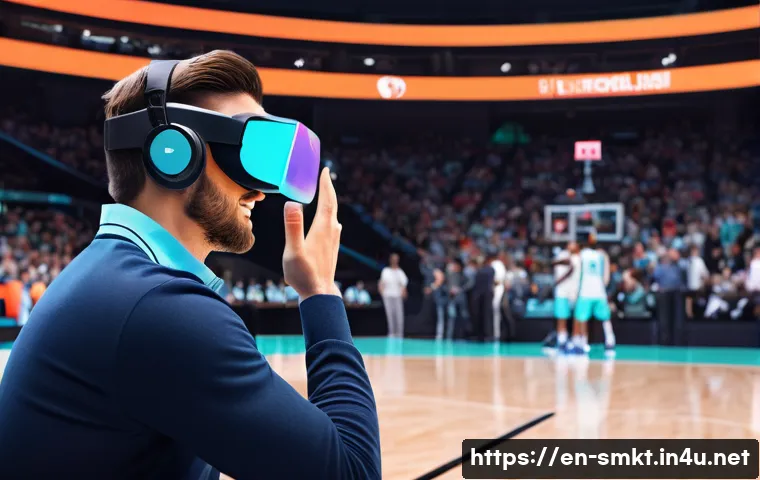
Technology is changing the game in sports marketing, and I’ve personally tested AR and VR experiences that bring fans closer to the action than ever before.
Imagine being able to virtually step onto the field or courtside from your living room—this kind of immersion creates emotional investment that traditional ads just can’t match.
Brands that incorporate these technologies not only capture attention but also generate buzz through shareable moments on social media, expanding their reach organically.
It’s a powerful way to transform passive viewers into active participants.
Real-Time Interaction and Personalized Content Delivery
One of the coolest trends I’ve noticed is the rise of AI-powered platforms that tailor content to individual fans in real time. Whether it’s personalized highlights, exclusive interviews, or interactive polls during live matches, this level of engagement keeps fans hooked and encourages longer app or site visits.
For marketers, it means more opportunities to present relevant offers or sponsorships at exactly the right moment. This approach feels less like advertising and more like a conversation, which enhances brand perception and boosts conversion rates.
Social Media as the Global Sports Marketplace
Social media isn’t just for sharing highlights anymore—it’s the main stage for fan interaction and brand storytelling. I’ve observed that platforms like Instagram, TikTok, and Twitter allow marketers to experiment with different content formats—live streams, behind-the-scenes clips, fan challenges—that resonate differently across regions.
Engaging fans where they spend most of their time online creates a sense of community and immediacy. Plus, social algorithms reward content that sparks discussion and sharing, so creative campaigns can quickly go viral and exponentially increase brand visibility worldwide.
Strategic Partnerships: Aligning Brands with Global Sports Events
Choosing the Right Events for Maximum Impact
Selecting which sports events to sponsor or activate around is a strategic decision that can make or break a marketing effort. I’ve learned that aligning with events that match a brand’s values and target demographics is crucial.
For instance, sponsoring a global soccer tournament makes sense for a brand targeting young, diverse audiences, while partnering with a golf championship might better reach affluent, mature consumers.
The key is to balance reach, relevance, and exclusivity to maximize both brand exposure and fan engagement.
Crafting Collaborative Campaigns with Athletes and Teams
Working closely with athletes and teams to co-create campaigns adds authenticity and credibility. From my experience, when athletes actively participate in content creation—sharing personal stories or behind-the-scenes moments—the audience perceives the brand as more genuine.
This collaboration can extend beyond endorsements to include charity initiatives, fan meet-ups, or limited-edition merchandise, creating deeper emotional ties.
Such partnerships also offer content that is more likely to be shared organically, increasing the campaign’s longevity and impact.
Leveraging Data to Optimize Sponsorship Returns
Sponsorship is an investment that demands accountability. Utilizing data analytics to track fan engagement, brand mentions, and sales uplift provides critical insights.
I recall a project where real-time data dashboards allowed the marketing team to tweak messaging mid-event, amplifying successful elements and cutting back on less effective tactics.
This agile approach not only improved ROI but also ensured the campaign stayed aligned with evolving fan sentiments and behaviors, creating a smarter, more responsive marketing strategy.
Global Fan Engagement: Beyond the Game
Creating Community Through Digital Platforms
Building a global fan base requires more than just broadcasting games; it’s about nurturing a sense of belonging. I’ve seen brands develop online communities where fans can share their experiences, debate match outcomes, and celebrate victories together.
These platforms often include forums, fan contests, and exclusive content that keep the conversation going year-round. This ongoing interaction transforms casual viewers into passionate advocates who promote the brand through word-of-mouth and social sharing.
Incorporating Local Traditions into Global Campaigns
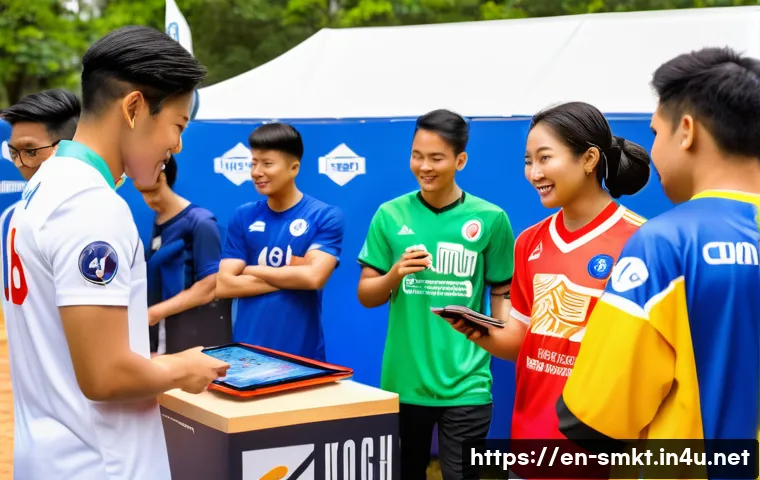
Integrating local customs and festivities into marketing activations helps brands stand out as culturally aware and respectful. For example, during Ramadan or Lunar New Year, tailoring content or offers that honor these occasions resonates deeply with regional audiences.
I once collaborated on a campaign that included local music and traditional attire in its visuals, which fans appreciated for its authenticity. These thoughtful touches create emotional resonance, making the brand part of fans’ cherished moments beyond just the sport itself.
Utilizing Gamification to Boost Engagement
Gamification techniques—like prediction games, fantasy leagues, and rewards programs—have become powerful tools to deepen fan involvement. Personally, I found that fans love the chance to test their knowledge or compete with friends while feeling more connected to their favorite teams or athletes.
Brands that embed these elements into their digital platforms see increased time spent on site and higher interaction rates. Plus, rewards tied to real-world prizes or exclusive experiences incentivize repeat participation and loyalty.
Measuring Success Across Diverse Markets
Key Performance Indicators for Global Sports Campaigns
Determining success requires clear KPIs tailored to each market’s unique characteristics. Metrics like brand awareness, engagement rates, social media sentiment, and conversion rates provide a comprehensive picture.
From my experience, it’s important to combine quantitative data with qualitative feedback—such as fan surveys or focus groups—to understand the emotional impact.
This holistic approach ensures that campaigns are not only reaching audiences but also resonating meaningfully.
Challenges in Cross-Cultural Data Interpretation
One tricky aspect I’ve encountered is interpreting data across cultures where consumer behaviors and reporting standards vary. For instance, high engagement in one country might stem from different motivations than in another, requiring nuanced analysis.
Additionally, privacy laws and data accessibility can differ, complicating measurement. Successful marketers invest in local expertise to accurately decode these insights and adapt strategies accordingly, avoiding costly missteps.
Continuous Improvement Through Agile Campaign Management
The fast-evolving nature of global sports marketing demands agility. In campaigns I’ve managed, setting up real-time monitoring and feedback loops allows teams to pivot quickly—whether adjusting messaging, reallocating budgets, or exploring new channels.
This iterative process not only maximizes impact but also fosters innovation by testing creative ideas on the fly. The ability to learn and adapt rapidly is often the difference between a campaign that fades and one that creates lasting brand equity.
Monetization Strategies: Turning Engagement into Revenue
Merchandising and Exclusive Content Offers
One of the most direct ways to monetize fan enthusiasm is through merchandise tied to campaigns or athletes. I’ve found that limited-edition items or exclusive digital collectibles generate excitement and a sense of urgency.
Coupling these offers with behind-the-scenes content or early access perks enhances perceived value, encouraging fans to make purchases. This approach not only drives revenue but also strengthens the emotional bond between fans and the brand.
Innovative Advertising Formats Within Sports Content
Integrating ads seamlessly into sports content—like in-game overlays, sponsored replays, or interactive banners—creates non-intrusive monetization opportunities.
From my perspective, the key is balancing visibility with user experience; fans are quick to reject ads that disrupt their viewing. Technologies like programmatic advertising and AI-driven targeting help deliver relevant messages that feel personalized, increasing click-through rates and overall campaign profitability.
Subscription Models and Premium Access
Subscription services offering premium access to live events, exclusive interviews, or ad-free experiences have become increasingly popular. I’ve seen brands partner with sports leagues to create tiered offerings that cater to different fan segments.
This recurring revenue model provides stable income streams and valuable data on subscriber preferences. When combined with loyalty rewards and personalized content, subscriptions can turn casual fans into long-term brand advocates.
| Strategy | Key Benefits | Example Application | Potential Challenges |
|---|---|---|---|
| Cultural Adaptation | Builds trust and relevance | Localized messaging for Asian markets | Requires deep local insights |
| Technology Integration | Enhances engagement and immersion | AR experiences for global fans | High development costs |
| Strategic Sponsorships | Increases brand visibility | Partnering with FIFA World Cup | High investment risk |
| Fan Community Building | Encourages loyalty and advocacy | Online fan forums and contests | Moderation and content upkeep |
| Monetization Tactics | Generates revenue streams | Limited-edition merchandise sales | Inventory and fulfillment complexities |
Wrapping Up
Connecting cultures through sports marketing is both an art and a science. By embracing cultural nuances, leveraging technology, and fostering authentic partnerships, brands can build meaningful global fan communities. The strategies shared here reflect real-world experiences that highlight the power of thoughtful engagement. Ultimately, mastering these approaches leads to stronger brand loyalty and lasting impact across diverse markets.
Useful Insights to Remember
1. Cultural sensitivity is key—always tailor your campaigns to respect local traditions and values to avoid missteps and build trust.
2. Incorporating local sports heroes alongside global icons creates a deeper emotional connection and broadens appeal.
3. Utilizing immersive technologies like AR and VR can transform fan experiences, driving higher engagement and social sharing.
4. Data-driven agility in campaign management enables real-time adjustments that maximize effectiveness and ROI.
5. Monetization thrives when combining exclusive content, innovative ad formats, and subscription models that meet fans’ evolving expectations.
Key Takeaways for Success
Effective global sports marketing demands a balance between cultural understanding and technological innovation. Prioritizing authentic local connections while leveraging data insights ensures campaigns resonate deeply with diverse audiences. Strategic partnerships and community-building efforts extend brand influence beyond the game, turning fans into loyal advocates. Finally, integrating flexible monetization approaches helps sustain growth and maximize revenue potential in an ever-changing market landscape.
Frequently Asked Questions (FAQ) 📖
Q: How can brands effectively connect with diverse global audiences in sports marketing?
A: Successfully connecting with diverse global audiences requires a deep understanding of cultural values, local sports preferences, and communication styles.
Brands should invest time in researching each target market to tailor their messaging and campaigns accordingly. For example, a campaign that resonates well in Europe might need adjustments to appeal to fans in Asia or Latin America.
Leveraging local influencers and athletes can also create authentic connections. From my experience, campaigns that embrace cultural nuances rather than applying a one-size-fits-all approach tend to generate higher engagement and loyalty.
Q: What role does technology play in enhancing global sports marketing strategies?
A: Technology is a game-changer in global sports marketing by enabling brands to reach fans instantly and interactively. Digital platforms like social media, streaming services, and mobile apps allow real-time engagement, personalized content delivery, and data-driven insights.
I’ve noticed that incorporating augmented reality experiences or interactive fan challenges can significantly boost fan participation. Additionally, using analytics tools helps marketers understand fan behavior across regions, allowing for smarter decisions and optimized campaigns that truly resonate worldwide.
Q: Why is it important to sponsor international sports events for global brand exposure?
A: Sponsoring international sports events offers unparalleled exposure because these events attract massive global audiences and passionate fanbases. When a brand associates itself with a major tournament or league, it gains credibility and widespread visibility.
From what I’ve seen, sponsorships create emotional connections by linking the brand to the excitement and community spirit of sports. This can lead to increased brand recall and trust.
However, it’s vital to choose events that align with the brand’s values and target demographics to maximize return on investment.