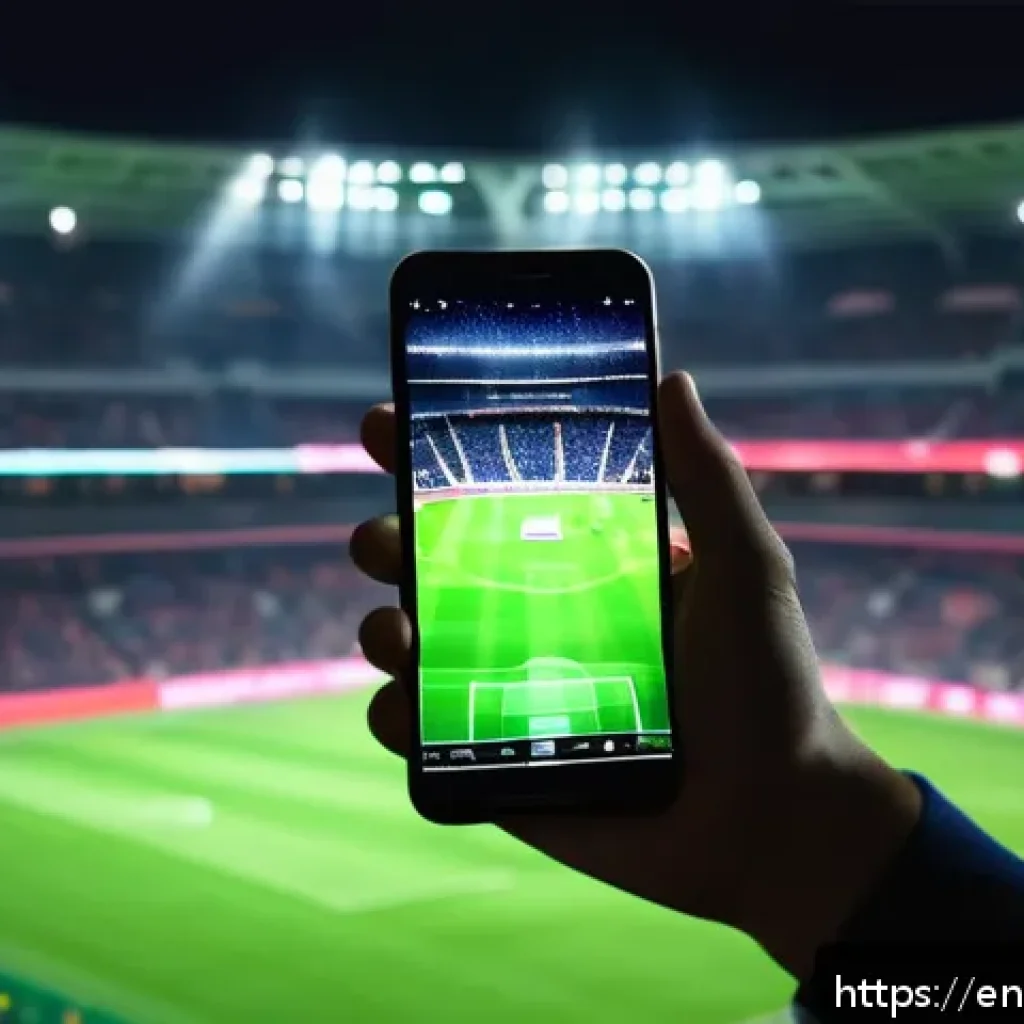
As sports fans crave more immersive and interactive experiences, the fusion of live events with cutting-edge online strategies is reshaping how audiences connect with their favorite teams and athletes.
In 2024, this integration goes beyond traditional marketing, leveraging real-time data, social media engagement, and personalized content to create unforgettable moments both in stadiums and online.
Whether you’re a die-hard fan or a casual observer, the evolving landscape promises deeper involvement and fresh ways to celebrate the spirit of the game.
Let’s dive into how this dynamic blend is transforming fan engagement and why it matters now more than ever.
Harnessing Real-Time Data for a Personalized Fan Journey
Tracking Fan Behavior to Tailor Experiences
One of the most exciting developments in sports engagement is the ability to use real-time data to customize how fans interact with their favorite teams and athletes.
From monitoring what content fans consume on social media to analyzing in-stadium behavior like concession purchases and movement patterns, teams can now create a tailored experience that feels uniquely personal.
For example, if a fan frequently engages with highlight reels or player interviews, the platform might prioritize similar content in their feed or offer exclusive access to behind-the-scenes footage.
This data-driven approach turns passive viewers into active participants, deepening their emotional connection and increasing the likelihood they’ll stay engaged longer.
Dynamic Content Delivery That Evolves During the Game
Imagine attending a game and receiving real-time notifications on your phone with exclusive stats, instant replays, or trivia challenges based on the unfolding action.
This dynamic content delivery keeps fans hooked by making every moment interactive. It’s not just about watching the game anymore; it’s about feeling like you’re part of the strategy, the suspense, and even the celebrations.
Teams that have tested this method report higher app usage and increased fan satisfaction, proving that blending live data with digital content is a game-changer.
Data Privacy and Transparency Building Trust
While leveraging data is powerful, it’s crucial to maintain fan trust by being transparent about what information is collected and how it’s used. Teams that openly communicate their data policies and offer fans control over their preferences tend to build stronger loyalty.
Fans appreciate when brands respect their privacy and offer clear opt-in choices, which ironically leads to more accurate data and better-personalized experiences.
This balance of innovation and ethics is essential in today’s sports marketing landscape.
Elevating Fan Interaction Through Social Media Innovations
Leveraging Live Streaming and Interactive Polls
Social media platforms have become the heartbeat of fan communities, especially during live events. Innovative teams now integrate live streaming with interactive polls, allowing fans to vote on MVPs, predict plays, or choose camera angles.
These features transform passive watching into a communal experience, where fans feel their voices truly matter. I’ve noticed that when my favorite teams use these tools, the chat buzzes with excitement and a sense of unity that’s hard to replicate in traditional broadcasts.
Creating Viral Moments with User-Generated Content
Encouraging fans to share their own content—whether it’s photos, chants, or reaction videos—has become a cornerstone of online engagement. Teams amplify these moments by featuring fan posts on official channels, sparking a sense of pride and belonging.
This cycle of sharing and recognition fuels organic growth and deepens emotional investment. From my experience, seeing my own content featured by a team makes me feel genuinely connected and more eager to participate again.
Utilizing Influencers and Athlete Ambassadors
Partnering with social media influencers and athletes who have strong followings helps teams reach wider audiences authentically. These personalities create relatable, behind-the-scenes content that resonates beyond the hardcore fan base.
When an athlete shares a candid moment or a day-in-the-life video, it humanizes them and creates a bond that traditional marketing can’t match. The key is authenticity—fans can spot scripted posts from a mile away.
Genuine stories and interactions generate trust and engagement in ways that feel natural and compelling.
Blending In-Stadium Experiences with Digital Engagement
Augmented Reality (AR) Enhancing Game Day
Augmented reality has stepped into the sports world in a big way, offering fans immersive experiences that blend the physical and digital. Imagine pointing your phone at the field and seeing player stats pop up, or participating in AR scavenger hunts around the stadium.
These interactive layers add excitement and novelty, making every visit memorable. I recall attending a game where the AR app allowed me to unlock player trivia by scanning logos on merchandise—this simple feature kept me engaged before kickoff and during breaks.
Seamless Mobile Integration for Convenience and Engagement
Mobile apps now serve as the ultimate game day companion, consolidating tickets, merchandise, food orders, and exclusive content into one platform. This convenience reduces friction and encourages fans to spend more time within the team’s ecosystem.
From my perspective, having everything accessible on a single app makes the experience smoother and more enjoyable, especially for families or groups navigating busy stadium environments.
Interactive Fan Zones and Social Hubs
Physical fan zones equipped with digital touchpoints—like giant screens showing social media feeds or interactive kiosks—create vibrant social hubs that extend online engagement into real life.
These spaces encourage fans to share moments instantly, participate in challenges, and connect with others around shared passions. The energy in these zones is palpable, and they serve as a bridge between traditional fandom and modern digital culture.
Personalized Content as the New Standard
Customized Highlights and Recaps
Rather than generic post-game summaries, fans now receive personalized highlight reels based on the players or moments they care about most. Algorithms curate these clips and deliver them via apps or social channels, making it easier to stay connected even if you missed the live event.
I’ve found that this tailored content keeps me coming back because it feels like it’s made just for me, not a mass audience.
Exclusive Access Through Subscription Models
Subscription services offering behind-the-scenes footage, early access to tickets, or special interviews are increasingly popular. These models create a sense of exclusivity and reward superfans who want a deeper connection.
From what I’ve seen, fans are willing to pay for access that enhances their experience and makes them feel like insiders rather than just spectators.
AI-Driven Storytelling and Content Creation
Artificial intelligence is quietly revolutionizing how content is generated, from automatic highlight creation to personalized commentary. When used thoughtfully, AI can enhance storytelling by quickly delivering relevant and engaging content.
However, it’s essential that this technology complements human creativity rather than replaces it—authenticity remains king in fan engagement.

Measuring Impact and Optimizing Fan Engagement Strategies
Key Performance Indicators (KPIs) for Success
Understanding what works requires clear metrics. Teams track KPIs like app engagement rates, social media interactions, ticket sales influenced by digital campaigns, and fan sentiment analysis.
These metrics help refine strategies to maximize impact. In my experience, campaigns with well-defined KPIs tend to deliver more consistent results and offer actionable insights for continuous improvement.
Using Feedback Loops to Adapt Quickly
Real-time feedback from fans via surveys, social listening, and direct engagement allows teams to pivot strategies rapidly. This agility is crucial in the fast-paced world of sports, where fan moods and interests can shift quickly.
I’ve noticed that brands who actively listen and respond to their communities tend to build stronger, longer-lasting relationships.
Balancing Automation with Human Touch
While automation streamlines many processes, maintaining a human presence in communications is vital. Fans value personalized responses and authentic interactions, which build trust and loyalty.
From personal experience, receiving a genuine reply to a social media comment feels far more rewarding than an automated message, reinforcing my connection to the team.
| Engagement Strategy | Example | Fan Benefit |
|---|---|---|
| Real-Time Data Personalization | Customized content feeds based on interaction history | More relevant content, deeper emotional connection |
| Social Media Interactive Features | Live polls and user-generated content showcases | Enhanced participation and community building |
| Augmented Reality Experiences | AR scavenger hunts and in-stadium overlays | Immersive and memorable game day experience |
| Subscription-Based Exclusive Content | Behind-the-scenes videos and early ticket access | Sense of exclusivity and insider access |
| Feedback and Adaptation | Real-time fan surveys and social listening | Rapid improvement and stronger fan relationships |
Monetizing Fan Engagement Without Sacrificing Experience
Integrating Sponsored Content Seamlessly
One of the biggest challenges is incorporating sponsorships without disrupting the fan experience. The best approaches weave brand messages into content naturally—think branded AR filters or sponsored trivia games—so fans engage without feeling bombarded.
From what I’ve seen, subtle integrations that add value rather than interrupt generate better brand recall and fan goodwill.
Driving Merchandise Sales Through Digital Channels
Linking personalized content with merchandise offers is a smart tactic. For instance, after highlighting a player’s clutch performance, fans might receive a prompt to buy that player’s jersey or limited-edition collectibles.
This timely call to action feels organic and taps into the emotional high of the moment, increasing conversion rates.
Offering Tiered Experiences to Match Fan Commitment
Not every fan wants the same level of engagement or is willing to spend equally. Offering tiered memberships or digital passes allows fans to choose their experience—ranging from basic updates to VIP virtual meet-and-greets.
This flexibility respects individual preferences and maximizes revenue opportunities by catering to diverse fan segments.
Building Long-Term Loyalty Through Community and Storytelling
Fostering Online Fan Communities
Creating spaces where fans can connect, share stories, and celebrate together builds a sense of belonging that extends beyond the game itself. Whether through official forums, social media groups, or team apps, these communities become a vital part of fan identity.
I’ve personally found that being part of a passionate fan group enriches the entire sports experience, making wins sweeter and losses easier to bear.
Highlighting Human Stories Behind the Game
Fans crave authenticity and narratives that go beyond statistics. Sharing player journeys, community initiatives, and personal challenges creates emotional resonance.
These stories humanize athletes and make fans feel like they’re part of something meaningful. From interviews to documentary-style videos, this storytelling approach deepens fan loyalty.
Celebrating Fan Contributions and Milestones
Recognizing fan milestones—like anniversaries of fandom or contributions to community events—strengthens bonds and encourages ongoing participation. Teams that highlight fan stories or reward engagement with shout-outs, badges, or prizes cultivate a vibrant and motivated supporter base.
This reciprocal relationship turns fans into lifelong ambassadors.
Closing Thoughts
In today’s fast-evolving sports landscape, leveraging real-time data and digital innovations creates deeply personalized fan journeys that truly resonate. By blending technology with authentic storytelling and community engagement, teams can foster lasting emotional connections. These strategies not only enhance the fan experience but also open new avenues for sustainable growth and loyalty.
Useful Information to Keep in Mind
1. Real-time data personalization helps deliver content tailored to individual fan interests, increasing engagement and emotional connection.
2. Interactive social media features like live polls and user-generated content foster a stronger sense of community among fans.
3. Augmented reality experiences add immersive layers to in-stadium visits, making game days more memorable and fun.
4. Subscription models offering exclusive content provide superfans with unique access and deepen their involvement.
5. Collecting and acting on fan feedback enables teams to adapt quickly, ensuring strategies stay relevant and effective.
Key Takeaways
Successfully engaging modern sports fans requires a balance of innovative technology and genuine human connection. Transparency around data usage builds trust, while personalized content keeps fans invested. Seamlessly integrating monetization without compromising the experience ensures long-term sustainability. Ultimately, fostering vibrant communities and sharing authentic stories transforms casual viewers into lifelong supporters, driving both emotional and financial success.
Frequently Asked Questions (FAQ) 📖
Q: How are live sports events integrating online strategies to enhance fan engagement in 2024?
A: In 2024, live sports events are blending real-time data analytics, social media interactions, and personalized digital content to offer fans a richer experience.
For example, fans can now access instant stats, participate in live polls, and receive customized highlights during games—whether they’re in the stadium or watching from home.
This fusion helps bridge the gap between physical attendance and digital participation, making every moment feel more interactive and connected to their favorite teams.
Q: What role does real-time data play in transforming the fan experience at sports events?
A: Real-time data acts as the backbone of modern fan engagement by delivering up-to-the-second information that heightens excitement and involvement. From live player stats to dynamic game analytics, fans get a deeper understanding of the action as it unfolds.
Personally, I’ve noticed that having access to these insights makes watching a game far more thrilling because it adds layers of context you wouldn’t catch just by watching alone.
This immediacy keeps fans glued to their screens and sparks more meaningful conversations online.
Q: Why is personalized content important for sports fans today, and how is it delivered?
A: Personalized content matters because it tailors the fan experience to individual preferences, making each interaction feel unique and relevant. For instance, a basketball fan might receive highlight reels featuring their favorite player, while a casual viewer could get simplified summaries of key moments.
This targeted approach is often delivered through apps, social media platforms, and email newsletters, which adapt in real time based on user behavior.
From my experience, this personalization not only boosts engagement but also builds a stronger emotional connection between fans and the sport.