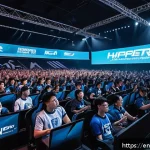
The world of sports marketing is evolving faster than ever, driven by cutting-edge technology and shifting fan expectations. As we dive into 2024, it’s clear that innovative trends like immersive fan experiences, AI-driven analytics, and personalized content are reshaping how brands connect with audiences.
Whether you’re a marketer, athlete, or sports enthusiast, staying ahead of these changes is crucial. In this post, we’ll explore the key forces unlocking the future of sports marketing and how they’re setting the stage for a dynamic year ahead.
Ready to see what’s next? Let’s jump right in.
Revolutionizing Fan Engagement Beyond the Stadium
Virtual and Augmented Reality as Game Changers
The shift from passive spectatorship to active participation is more than just a trend—it’s a fundamental transformation in how fans experience sports.
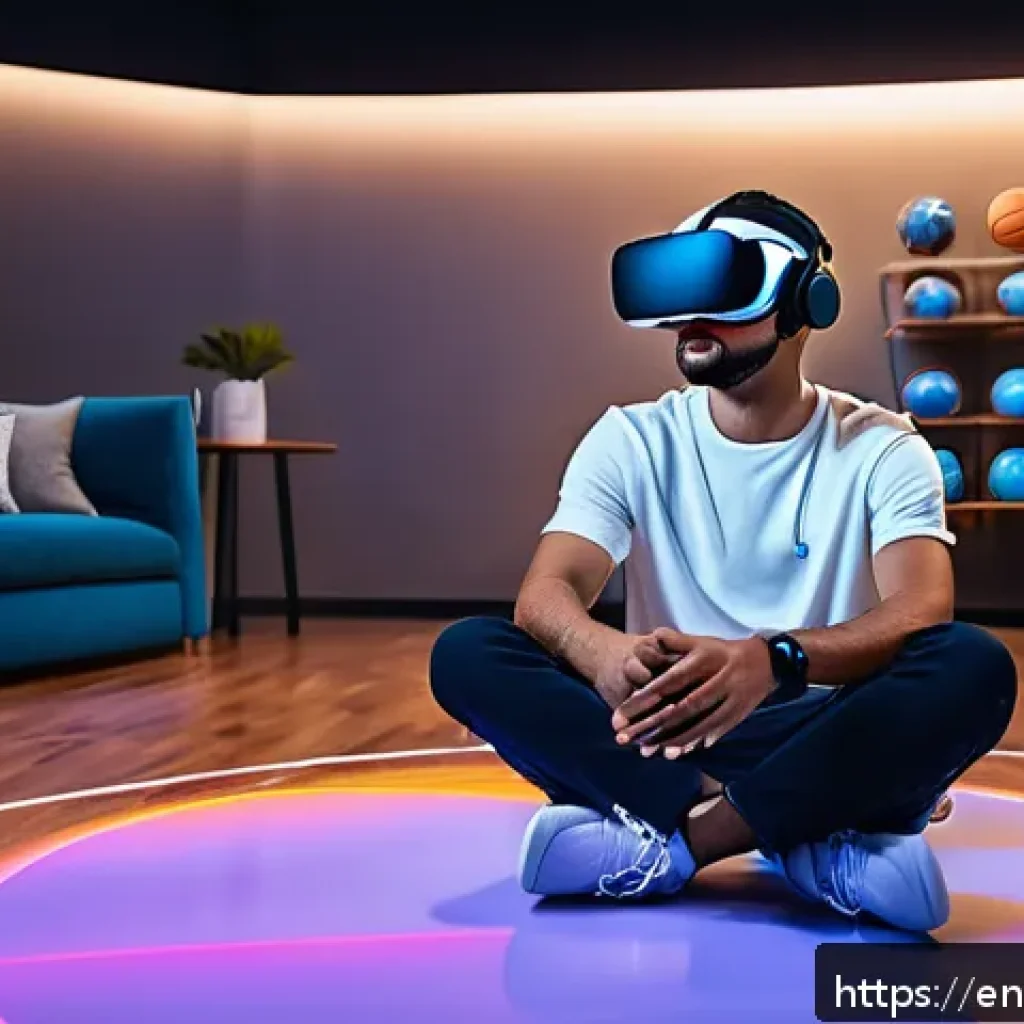
Virtual Reality (VR) and Augmented Reality (AR) are no longer futuristic concepts but practical tools that bring fans closer to the action. I’ve personally tested VR platforms offering courtside seats from my living room, and the immersive feeling is uncanny.
This tech allows fans worldwide to “attend” games, explore 3D player stats, and even interact with virtual memorabilia. For marketers, this means crafting campaigns that go beyond traditional ads to deliver unique, memorable experiences that deepen emotional connections.
The challenge is to balance tech innovation with accessibility so that fans of all ages and tech comfort levels can join in without feeling alienated.
Social Media’s Role in Real-Time Interaction
The rise of short-form video and live streaming platforms like TikTok, Instagram Reels, and Twitch has revolutionized how fans engage with sports content.
From behind-the-scenes glimpses to instant reaction clips, social media now offers a 24/7 window into the lives of athletes and teams. My own experience scrolling through game highlights and fan challenges on these platforms shows how quickly content can go viral, creating new marketing touchpoints.
Brands that harness these channels with authentic, timely content—not just polished ads—see higher engagement rates. The key is to foster community by encouraging fan participation through polls, Q&As, and user-generated content campaigns that feel organic rather than scripted.
Personalized Content for a Diverse Audience
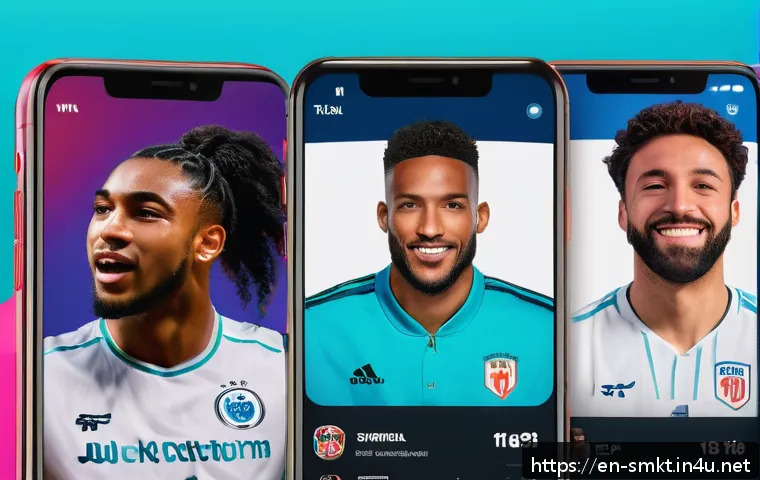
Fans today expect content tailored to their preferences, whether it’s their favorite team, player, or type of sport. Advanced data analytics and AI-driven algorithms make it possible to segment audiences with surgical precision.
From customized newsletters to app notifications based on viewing habits, personalization increases retention and loyalty. I noticed that apps offering tailored game highlights and exclusive interviews keep me coming back more than generic sports news sites.
For marketers, investing in personalization tools is no longer optional—it’s essential to maintain relevance and stand out in a crowded digital landscape.
Harnessing Data Intelligence to Drive Strategic Decisions
Predictive Analytics for Fan Behavior
Understanding what drives fan engagement before it happens is a powerful advantage. Predictive analytics uses historical data to forecast trends like ticket sales, merchandise demand, and content preferences.
I’ve seen teams leverage this to optimize promotional offers and schedule events at peak interest times, which maximizes revenue and fan satisfaction simultaneously.
For example, analyzing social sentiment during playoffs can guide real-time marketing adjustments. This proactive approach minimizes wasted budget and sharpens focus on initiatives that truly resonate.
Optimizing Sponsorships with Data Insights
Gone are the days when sponsorship deals were based solely on brand visibility. Now, data reveals how effectively a partnership converts attention into action.
Metrics like engagement rates during sponsored content, demographic overlaps, and purchase behaviors allow marketers to tailor collaborations that deliver measurable ROI.
I recently examined a case where a sports brand used geo-targeted ads during a major event, resulting in a noticeable sales spike in key markets. Such precision marketing elevates sponsorships from mere logo placements to strategic growth drivers.
Real-Time Performance Tracking for Athletes and Teams
Wearable technology and IoT devices collect vast amounts of data on player performance and health. Teams use these insights not just for training but also to craft narratives that captivate fans.
Sharing real-time stats during broadcasts or on social media adds an extra layer of engagement and transparency. Personally, following player biometrics during games adds a fascinating dimension to watching sports, making every move more meaningful.
Marketers can leverage this data to create dynamic content and exclusive experiences that differentiate their brand presence.
Crafting Immersive Storytelling Through Multimedia
Interactive Video Content as a Storytelling Medium
Traditional highlight reels are evolving into interactive stories where fans choose camera angles, access player commentary, or even vote on key moments.
This level of interactivity transforms passive viewers into active participants. From my experience, interactive documentaries or game recaps hold my attention far longer because I control the pace and focus.
For marketers, this means creating layered content that invites exploration and repeat visits, significantly boosting engagement metrics.
Podcasts and Audio Stories Amplifying Fan Connection
The surge in sports-related podcasts offers a more intimate way for fans to connect with athletes and insiders. These long-form audio stories build loyalty through deep dives into personalities, strategies, and behind-the-scenes drama.
I find myself tuning into podcasts during commutes, which creates multiple touchpoints for brands via sponsorships or native ads. The conversational tone of podcasts humanizes athletes and makes sports marketing feel less like a sales pitch and more like a shared passion.
Dynamic Social Campaigns with User Participation
Campaigns that encourage fans to create content—whether sharing their game-day rituals or submitting artwork—generate authentic buzz and extend reach organically.
I’ve participated in fan challenges that led to my content being featured on official channels, which felt rewarding and strengthened my affinity for the team.
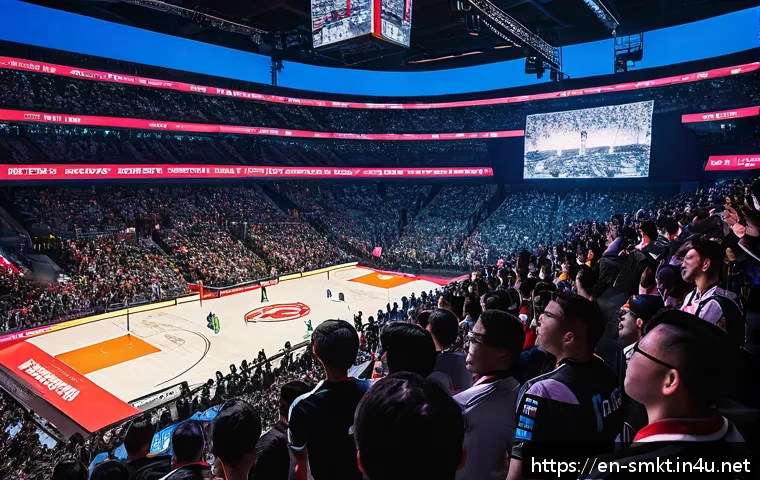
Marketers should focus on designing campaigns that reward creativity and inclusivity, turning fans into brand ambassadors without heavy-handed selling.
Monetizing Engagement with Innovative Revenue Streams
Subscription Models for Exclusive Access
Paywalls and premium memberships are gaining traction as fans seek deeper, ad-free experiences. Services offering early access to tickets, exclusive interviews, or behind-the-scenes content are becoming lucrative.
I’ve subscribed to a couple of platforms myself, and the feeling of belonging to an exclusive community adds value beyond the content. Brands partnering with leagues or teams to offer bundled subscriptions can tap into this growing appetite while stabilizing revenue.
Merchandising Through Digital and Physical Blends
Limited-edition drops, augmented reality try-ons, and personalized merchandise are redefining fan shopping experiences. For example, I recently ordered a jersey customized through an app that previewed the design on my avatar before purchase.
This seamless integration of digital and physical retail not only drives sales but also creates memorable brand interactions. Marketers should leverage data to forecast demand and personalize offers, avoiding overstock and maximizing margins.
Esports Integration and New Audience Expansion
The explosive growth of esports opens new doors for traditional sports brands to connect with younger, digitally native audiences. Sponsoring esports teams or creating hybrid events merges fan bases and diversifies revenue streams.
I’ve watched crossover tournaments where pro athletes compete against gamers, which attract millions of viewers globally. For marketers, investing in esports is a strategic move to future-proof their presence and innovate fan engagement.
Building Trust and Authenticity in Brand Communication
Transparency in Sponsorship and Partnerships
Modern fans are savvy and demand honesty about brand intentions. I’ve noticed brands that openly share their social responsibility initiatives or community involvement build stronger loyalty.
Disclosing partnerships clearly and avoiding over-commercialization helps maintain credibility. Marketers should prioritize authenticity by aligning with causes and athletes that genuinely reflect their values, which resonates deeply with today’s socially conscious consumers.
Empowering Athletes as Brand Ambassadors
Athletes today are more than players—they are influencers with distinct voices and followings. Empowering them to share personal stories and take part in marketing campaigns creates relatable content that fans trust.
I’ve seen campaigns where athletes’ unscripted moments or advocacy efforts amplify brand messages organically. This approach requires giving athletes creative freedom and fostering genuine connections rather than scripted endorsements.
Community-Driven Initiatives and Fan Inclusion
Building a sense of community extends beyond the game itself. Initiatives that involve fans in decision-making, charity events, or local outreach strengthen emotional bonds.
I remember joining a fan voting campaign to select a new jersey design, which made me feel part of the team’s identity. Marketers who embrace fan inclusion as a core principle create long-term advocates and elevate their brand’s social impact.
| Trend | Key Benefits | Challenges | Examples |
|---|---|---|---|
| Immersive Technologies (VR/AR) | Enhanced fan experience, global access | Cost, tech adoption barriers | VR courtside seats, AR player stats |
| Data-Driven Personalization | Increased engagement, targeted marketing | Privacy concerns, data accuracy | Customized app notifications, AI content curation |
| Interactive Storytelling | Longer engagement, fan participation | Production complexity, user interface design | Interactive game recaps, fan challenges |
| Subscription & Merchandising Models | Steady revenue, exclusive access | Subscriber retention, inventory management | Premium memberships, AR try-ons |
| Esports Collaboration | Younger audience, expanded reach | Brand fit, market fragmentation | Hybrid tournaments, esports sponsorships |
| Authenticity & Community Engagement | Brand trust, loyalty | Consistency, genuine alignment | Fan voting, athlete-driven content |
In Conclusion
As fan engagement continues to evolve, embracing technology and authentic connections is key to creating unforgettable experiences. From immersive VR to personalized content and community-driven initiatives, the opportunities are vast and exciting. Marketers who balance innovation with genuine interaction will not only capture attention but also build lasting loyalty. The future of sports fandom is interactive, inclusive, and deeply personal.
Helpful Insights to Remember
1. Immersive technologies like VR and AR transform how fans experience games, offering access beyond physical limits while requiring thoughtful adoption strategies.
2. Social media’s real-time nature enables authentic, interactive fan engagement that fosters community and drives viral marketing opportunities.
3. Personalized content powered by data analytics significantly boosts fan retention and relevance by catering to individual preferences.
4. Innovative revenue streams such as subscription models and blended merchandising enhance monetization while providing exclusive value to fans.
5. Building trust through transparency, athlete empowerment, and inclusive community initiatives creates deeper emotional bonds and brand loyalty.
Key Takeaways
Successful fan engagement hinges on integrating cutting-edge technology with human-centered storytelling and authentic brand communication. Prioritizing accessibility, personalization, and community involvement ensures that marketing efforts resonate meaningfully. Additionally, leveraging data intelligence sharpens strategic decisions and optimizes sponsorship impact. Ultimately, a balanced approach that respects fans’ diverse needs and values fosters sustainable growth and lasting connections.
Frequently Asked Questions (FAQ) 📖
Q: How are immersive fan experiences changing sports marketing in 2024?
A: Immersive fan experiences are revolutionizing sports marketing by creating deeper emotional connections between fans and teams or brands. Through technologies like virtual reality (VR), augmented reality (AR), and interactive live events, fans can engage with sports in ways that feel personal and exciting.
From virtually stepping onto the field to customized in-game content, these experiences boost fan loyalty and increase time spent engaging with sponsors, which marketers love because it translates into higher brand visibility and stronger audience retention.
Q: What role does
A: I-driven analytics play in shaping marketing strategies for sports brands? A2: AI-driven analytics provide sports marketers with powerful insights into fan behavior, preferences, and engagement patterns.
By analyzing vast amounts of data in real-time, AI helps tailor marketing campaigns to target the right audience with personalized content and offers.
This precision not only improves conversion rates but also optimizes ad spend. From predicting which merchandise will sell best to identifying peak engagement times, AI tools are becoming indispensable for crafting smarter, more effective marketing strategies that resonate deeply with fans.
Q: Why is personalized content essential for connecting with modern sports audiences?
A: Personalized content is crucial because today’s sports fans expect more than generic messaging—they want content that speaks directly to their interests and experiences.
Whether it’s customized highlights, player interviews, or exclusive behind-the-scenes footage, personalized content makes fans feel valued and understood.
This emotional engagement drives higher interaction rates and encourages sharing on social media, amplifying the brand’s reach organically. Marketers who embrace personalization see stronger fan communities and improved loyalty, which ultimately leads to increased revenue opportunities.