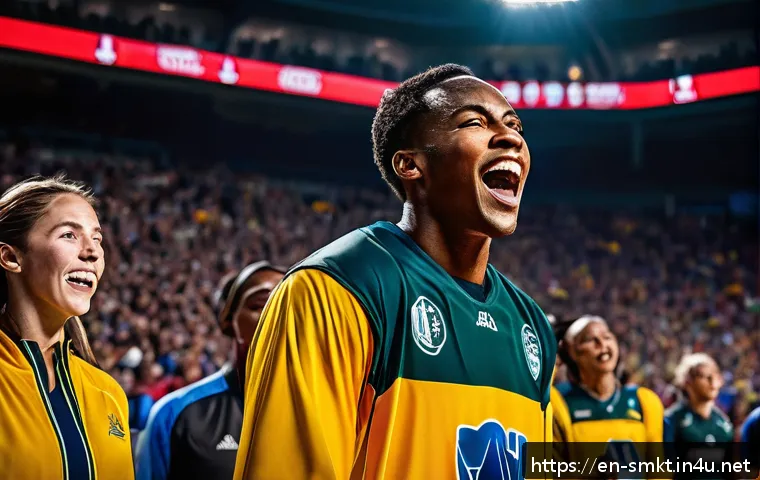
In today’s fast-paced world, sports events have evolved into dynamic experiences that captivate audiences beyond the game itself. With the rise of digital engagement and heightened expectations, flawless event management is more crucial than ever to leave a lasting impression.
Whether you’re organizing a local tournament or a major championship, mastering the art of seamless execution can transform ordinary matches into unforgettable moments.
Stick around as we dive into insider tips that blend practical know-how with the latest trends, helping you create events that resonate deeply with fans and participants alike.
Ready to elevate your sports event game? Let’s get started!
Crafting an Immersive Fan Experience
Designing Interactive Zones That Engage
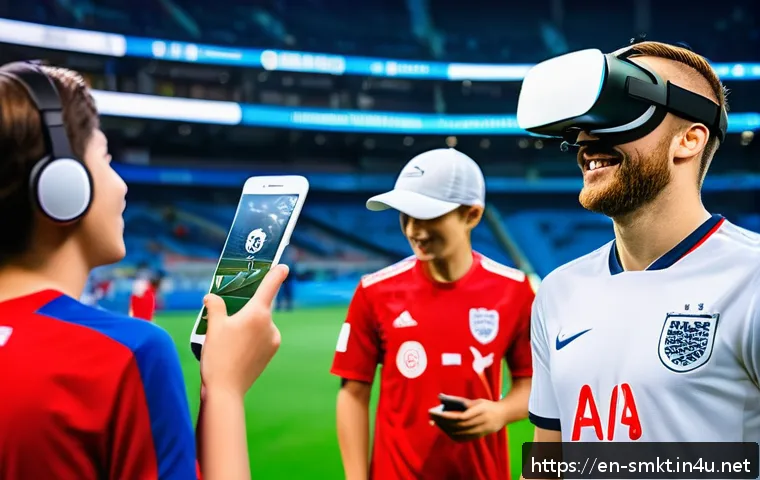
Creating spaces where fans can actively participate is a game changer. From virtual reality booths that simulate game situations to skill challenges where attendees can test their own abilities, these interactive zones turn passive spectators into active players.
I once attended a soccer event where a penalty shootout simulator drew huge crowds, not only keeping people entertained but also increasing social media buzz.
When setting these up, consider the flow of foot traffic and ensure the technology is user-friendly to avoid frustration. The goal is to make fans feel like they’re part of the action, which deepens their emotional connection to the event.
Utilizing Real-Time Data to Enhance Engagement
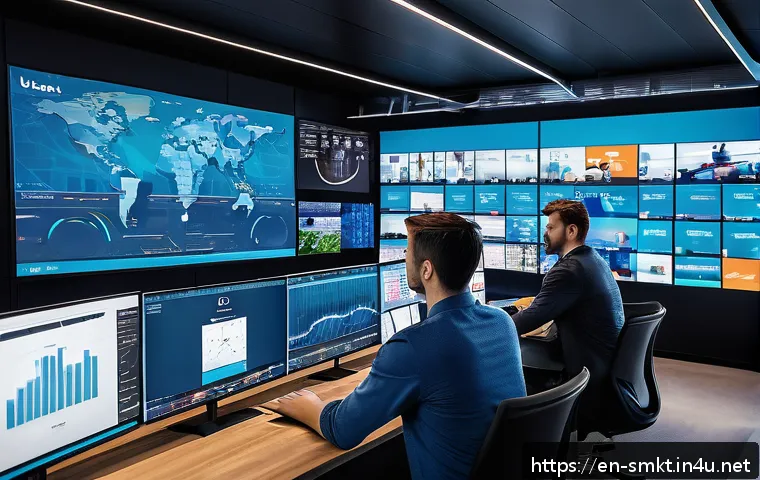
Integrating live stats and instant replays on large screens or mobile apps adds a layer of excitement and keeps fans hooked throughout the event. I’ve noticed that events with dynamic data feeds keep attendees glued to their seats longer, boosting concession sales and merchandise purchases.
Providing fans with access to player stats, heat maps, or even interactive polls creates a more informed and involved audience. It’s essential to partner with reliable tech providers to ensure data accuracy and smooth delivery, as technical glitches can quickly sour the experience.
Personalizing the Experience Through Technology
Personalization is no longer a luxury but an expectation. Using apps that offer tailored content, such as customized schedules, favorite player alerts, or exclusive behind-the-scenes footage, can significantly enhance fan satisfaction.
From my experience, attendees appreciate when events recognize their preferences, which fosters loyalty and repeat attendance. Implementing QR codes that unlock unique content or discounts creates a sense of exclusivity, making fans feel valued and more connected to the event brand.
Optimizing Logistics for Seamless Operations
Streamlining Entry and Crowd Management
Efficiently managing the flow of people entering and moving through the venue is crucial to avoid bottlenecks that can frustrate attendees. Using mobile ticketing and contactless scanners speeds up entry, reducing wait times dramatically.
At a recent basketball tournament I helped coordinate, implementing staggered entry times based on ticket zones minimized crowd surges. Equally important is clear signage and well-trained staff to guide fans smoothly, ensuring safety and comfort from the moment they arrive.
Coordinating Staff and Volunteer Roles Clearly
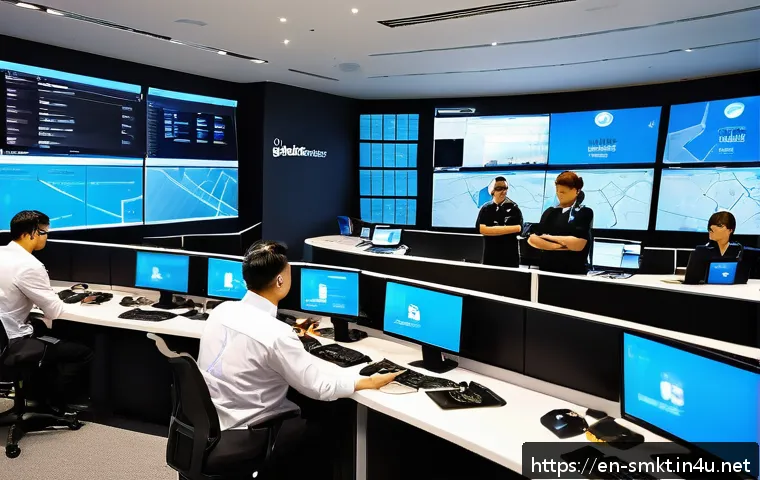
Behind the scenes, a well-organized team is the backbone of any successful event. Defining roles clearly, providing thorough briefings, and using communication tools like walkie-talkies or event management apps keep everyone on the same page.
I’ve found that holding a rehearsal or walkthrough a day before the event helps iron out any potential issues and boosts team confidence. When staff feel prepared and supported, they perform better, which translates into a smoother experience for fans.
Planning Contingencies for Unexpected Situations
No matter how detailed the plan, unexpected hiccups happen. Weather changes, technical failures, or medical emergencies require quick, decisive action.
Creating a contingency plan with clear protocols and designated decision-makers can save an event from chaos. I recall a golf tournament where sudden rain forced a schedule change; thanks to the pre-planned alternatives and effective communication, fans stayed informed and calm, turning what could have been a nightmare into a demonstration of professionalism.
Building Strong Partnerships and Sponsorships
Aligning with Brands That Share Your Vision
Sponsorships are more than just financial support; they’re opportunities to enhance the event’s appeal. Choosing partners whose values and target audiences align with your event creates synergy that benefits both sides.
I once collaborated with a fitness brand for a marathon, which not only provided gear but also engaged runners through workshops and giveaways. This added real value for participants and increased brand visibility organically.
Leveraging Sponsors for Added Fan Value
Incorporating sponsors into fan experiences—like branded lounges, giveaways, or interactive activations—can elevate the event atmosphere. Fans appreciate perks such as free samples or contests, which improve their overall impression of the event.
From my perspective, the key is to integrate sponsors naturally without overwhelming the core experience, maintaining a balance that keeps fans engaged without feeling bombarded by marketing.
Measuring and Reporting Sponsor Impact Effectively
Providing sponsors with detailed feedback on their ROI strengthens long-term relationships. Using analytics tools to track engagement, social media mentions, and onsite interactions helps demonstrate value.
I’ve noticed that transparent reporting encourages sponsors to increase their investment in future events. It’s wise to set measurable goals from the outset and communicate regularly to adapt strategies that maximize impact.
Enhancing Communication with Fans and Participants
Utilizing Multi-Channel Communication Strategies
Reaching your audience where they are—be it social media, email, SMS, or event apps—is essential. I’ve seen how combining these channels increases awareness and excitement leading up to and during the event.
For example, timely push notifications about schedule changes or exclusive content keep fans in the loop and engaged. The trick is to tailor messages to the platform’s strengths and avoid overloading your audience.
Encouraging User-Generated Content and Interaction
Inviting fans to share their experiences through photos, videos, and stories amplifies event reach organically. Running hashtag campaigns or contests motivates attendees to participate actively online.
From personal experience, user-generated content creates authentic buzz that official channels often can’t match. Plus, it fosters a community feeling, making fans feel like contributors rather than just consumers.
Providing Clear and Accessible Information
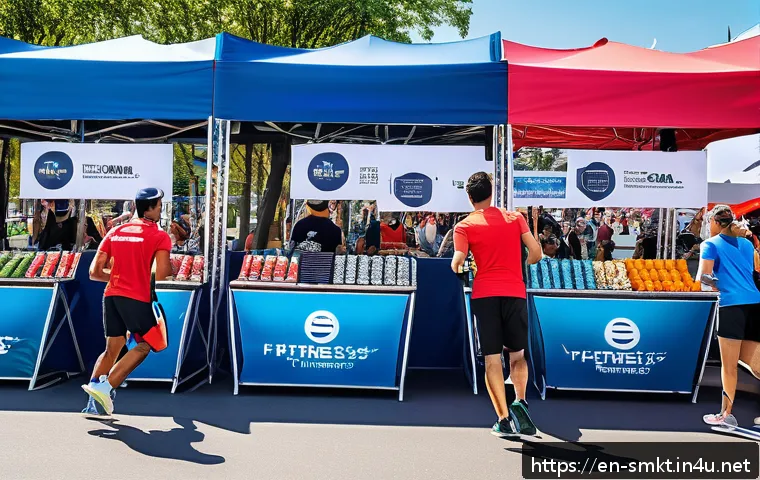
Transparency about schedules, rules, and amenities reduces confusion and enhances satisfaction. Detailed FAQs, accessible maps, and responsive customer service channels are crucial.
At one event, a dedicated info booth and chatbot on the event app significantly decreased common questions, freeing staff to handle more complex issues.
Clear communication builds trust and helps fans focus on enjoying the event.
Leveraging Technology for Operational Efficiency
Implementing Smart Ticketing Solutions
Digital ticketing systems not only speed up entry but also reduce fraud and simplify data collection. I’ve worked with RFID wristbands that unlock cashless payments and track crowd movement, providing valuable insights for future planning.
The convenience factor is huge for attendees, who appreciate quick access and seamless transactions.
Using Analytics to Inform Decision-Making
Collecting and analyzing data in real-time allows organizers to make informed adjustments on the fly. Monitoring attendance patterns, concession sales, and fan engagement metrics helps optimize staffing and resource allocation.
In my experience, this data-driven approach minimizes waste and improves the overall quality of the event.
Automating Routine Tasks to Focus on Experience
Automation tools for tasks like scheduling, communication, and inventory management free up staff to focus on enhancing fan interactions. I’ve found that using event management platforms reduces human error and streamlines coordination.
This efficiency translates into a more polished and professional event atmosphere.
Creating Memorable Moments Through Storytelling
Highlighting Athlete and Team Stories
Sharing compelling narratives about participants adds emotional depth to the event. Fans connect more deeply when they know the backstory—the struggles, triumphs, and personalities behind the players.
I recall a track meet where pre-race interviews and social media features about athletes’ journeys captured widespread attention and boosted attendance.
Incorporating Cultural and Local Elements
Embedding local traditions or cultural highlights enriches the event experience and fosters community pride. Including local music, food vendors, or ceremonies creates a unique atmosphere that distinguishes the event.
From my experience, attendees appreciate feeling the distinct flavor of the host location, which makes the event more memorable.
Using Visual and Audio Storytelling Techniques
Dynamic lighting, video highlights, and engaging commentary bring the event to life. I’ve noticed that well-produced opening ceremonies or halftime shows elevate the entire experience and keep fans talking long after the final whistle.
Thoughtful use of media can transform a routine event into an emotional spectacle.
| Key Area | Best Practices | Benefits |
|---|---|---|
| Fan Engagement | Interactive zones, personalized apps, real-time data | Increased attendance duration, social media buzz, loyalty |
| Logistics | Mobile ticketing, clear signage, staff training | Smoother entry, safety, reduced frustration |
| Sponsorships | Brand alignment, integrated activations, impact reporting | Stronger partnerships, added fan value, increased revenue |
| Communication | Multi-channel messaging, user-generated content, transparency | Higher engagement, trust, and community building |
| Technology | Smart ticketing, analytics, automation | Operational efficiency, data-driven decisions, error reduction |
| Storytelling | Athlete stories, cultural elements, media production | Emotional connection, unique identity, memorable experience |
Conclusion
Creating a truly immersive fan experience requires a thoughtful blend of engagement, technology, and storytelling. By focusing on interactive elements, seamless operations, and meaningful communication, events can foster lasting connections with their audiences. Drawing from real-world examples, it’s clear that attention to detail and adaptability make all the difference in delivering memorable moments. Ultimately, successful events are those that leave fans feeling valued and excited to return.
Helpful Insights
1. Interactive zones transform spectators into active participants, boosting excitement and social media engagement.
2. Real-time data and personalized content keep fans informed and emotionally connected throughout the event.
3. Efficient logistics, including mobile ticketing and well-trained staff, ensure smooth entry and overall comfort.
4. Strong partnerships with aligned sponsors add value without overwhelming the fan experience.
5. Multi-channel communication and encouraging user-generated content build community and trust among attendees.
Key Takeaways
Successful event management hinges on integrating fan-centric design, operational efficiency, and authentic storytelling. Prioritizing seamless technology use and clear communication enhances satisfaction and loyalty, while strategic sponsor collaborations and contingency planning safeguard event quality. Fostering an emotional connection through personalized experiences and local culture creates unforgettable moments that resonate long after the event ends.
Frequently Asked Questions (FAQ) 📖
Q: uestionsQ1: How can I ensure smooth coordination among different teams during a sports event?
A: Effective communication is key. Setting up clear roles and responsibilities before the event starts helps everyone understand their tasks. Using tools like walkie-talkies or event management apps can keep teams connected in real time.
From my experience, holding a pre-event briefing to walk through the schedule and potential challenges makes a huge difference in preventing last-minute confusion.
Q: What are some effective ways to enhance fan engagement digitally during a sports event?
A: Integrating social media platforms with live updates, behind-the-scenes content, and interactive polls can keep fans hooked even if they’re not physically present.
Offering exclusive digital experiences like virtual meet-and-greets or augmented reality features adds a wow factor. Personally, I’ve seen events boost their engagement drastically by encouraging fans to share their moments with event-specific hashtags, creating a vibrant online community.
Q: How do I handle unexpected issues like bad weather or technical failures during an event?
A: Preparation is your best defense. Always have a backup plan tailored to common risks such as weather delays or equipment malfunctions. Having a dedicated troubleshooting team ready to act swiftly minimizes downtime.
From what I’ve learned organizing several events, staying calm and transparent with attendees about issues and solutions builds trust and keeps the atmosphere positive.