In today’s fast-paced sports marketing landscape, staying ahead requires more than just industry knowledge—it demands continuous personal growth. With emerging trends like digital fan engagement and data-driven sponsorships reshaping the field, professionals must evolve to unlock new opportunities.

I’ve witnessed firsthand how refining soft skills and strategic thinking can transform careers in this competitive arena. Whether you’re a seasoned expert or just stepping in, embracing growth strategies is key to thriving.
Let’s dive into proven approaches that can elevate your impact and success in sports marketing.
Mastering Communication to Connect with Fans and Stakeholders
Building Authentic Relationships through Storytelling
One thing I’ve learned in sports marketing is that people connect with stories, not just stats or promotional messages. When you craft narratives around athletes, teams, or events that resonate emotionally, you create a bond that goes beyond transactions.
I remember working on a campaign where we highlighted a player’s journey overcoming injury. Fans didn’t just see an athlete; they saw a fighter, a human.
This authenticity sparked more engagement and loyalty than any flashy ad ever could. To nail this, focus on genuine moments and voices, and don’t shy away from vulnerability.
It’s about making your audience feel something real.
Listening as a Strategic Skill
In a world saturated with messages, listening can be your secret weapon. I’ve noticed that the most effective marketers don’t just talk at their audience—they listen to what fans and partners are saying across social channels, forums, and even offline events.
This feedback loop helps tailor campaigns and partnerships to what truly matters. For example, when a brand I collaborated with tuned into fan conversations during a live event, they quickly adapted their messaging and boosted engagement dramatically.
Listening also builds trust, showing that you value your audience’s voice, which is priceless in sports marketing.
Negotiation with Empathy and Confidence
Negotiation isn’t just about getting the best deal; it’s about creating win-win scenarios that build long-term partnerships. Early in my career, I used to focus solely on numbers, but I realized that understanding the other party’s goals and concerns creates more sustainable agreements.
When you approach negotiation empathetically, you unlock creative solutions that benefit all sides, from sponsors to athletes to media outlets. Confidence also plays a huge role; knowing your value and standing firm while remaining open to dialogue can transform a tough negotiation into a collaborative success.
Leveraging Data to Inform Creative Strategies
Translating Analytics into Actionable Insights
Numbers alone don’t tell the whole story, but when you interpret data properly, it becomes a powerful tool to guide your creative decisions. I’ve seen campaigns flop when teams relied on gut feelings without backing from audience data.
By analyzing fan demographics, engagement patterns, and content performance, you can pinpoint what resonates and what falls flat. For example, during a recent project, we found that short-form video content drove more engagement among younger fans, so we shifted resources accordingly.
The key is to combine data with creativity, not let it replace your instincts.
Predictive Trends and Sponsorship Opportunities
Being proactive rather than reactive is a game-changer in sports marketing. Using predictive analytics helps anticipate fan behavior and emerging trends, which can reveal untapped sponsorship opportunities.
I remember spotting a rising interest in esports within a traditional sports audience, which led us to forge partnerships in that space early on. This kind of foresight positions you as a leader and opens doors before competitors catch on.
It’s about reading the signs and acting decisively.
Balancing Privacy with Personalization
As much as data drives personalization, respecting fan privacy is non-negotiable. I’ve encountered situations where overly aggressive data collection backfired, damaging brand trust.
The best approach is transparency—clearly communicating how you collect and use data—and offering fans control over their preferences. This builds goodwill and encourages more meaningful engagement.
Personalization that feels intrusive will push fans away, but when done right, it enhances their experience and loyalty.
Developing Strategic Thinking for Long-Term Impact
Setting Clear Goals Aligned with Brand Values
Strategic thinking starts with clarity about what you want to achieve and why it matters. I’ve noticed that campaigns with vague objectives tend to meander and fail to deliver results.
Defining goals that align with your brand’s mission helps focus efforts and resources. For example, instead of simply aiming to increase social media followers, we set a goal to deepen fan engagement through interactive content that reflects our commitment to community.
This clarity makes it easier to measure success and pivot when needed.
Scenario Planning for Uncertainty
Sports marketing is dynamic, with sudden changes like athlete injuries, shifting fan moods, or global events. Scenario planning prepares you to respond quickly and effectively.
In one case, a major event was canceled at the last minute, and because we had contingency plans in place, we launched a virtual fan experience that kept engagement high.
Thinking through multiple “what if” situations ahead of time reduces stress and turns challenges into opportunities.
Collaborating Across Disciplines
Strategic thinking isn’t isolated—it thrives on diverse perspectives. I’ve found that working closely with creative teams, data analysts, PR professionals, and even athletes themselves leads to richer strategies.
This cross-pollination sparks innovation and ensures your plans are realistic and impactful. Building these relationships takes effort but pays off by breaking down silos and creating unified campaigns that resonate on multiple levels.
Enhancing Digital Skills for Fan Engagement
Harnessing Social Media Trends Effectively
Social media is where fans live, breathe, and interact with sports brands daily. Staying current with platform features and trends is essential. I’ve seen campaigns soar by leveraging TikTok challenges or Instagram Stories polls that invite fans to participate actively.
But it’s not about jumping on every trend blindly; it’s about choosing those that fit your brand’s voice and audience preferences. Consistent experimentation and quick adaptation are key to keeping your content fresh and relevant.
Creating Interactive Experiences
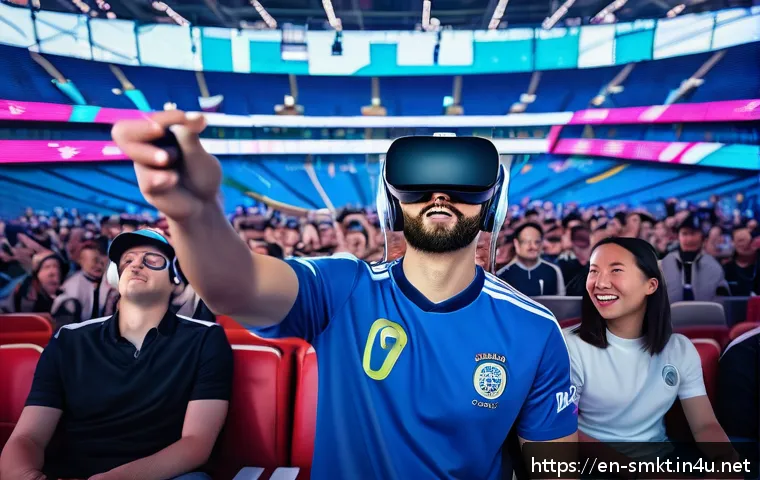
Beyond passive viewing, fans crave interaction. Virtual reality, live Q&A sessions, and gamified content create immersive experiences that deepen fan loyalty.
When I helped launch an interactive app during a major tournament, fans loved feeling “inside” the event, which boosted retention and word-of-mouth. Technology enables you to break the fourth wall and invite fans into the story, making them feel valued and engaged.
Managing Online Communities with Care
Building and nurturing online fan communities requires patience and authenticity. I’ve moderated forums where respectful dialogue thrived and others where negativity spread quickly, damaging brand image.
Setting clear community guidelines, actively engaging with fans, and highlighting positive contributions creates a safe and vibrant space. Remember, these communities can become your most passionate advocates if managed thoughtfully.
Strengthening Leadership Qualities for Career Growth
Leading by Example in High-Pressure Situations
Sports marketing often involves tight deadlines and high stakes, where your response sets the tone for the entire team. I’ve learned that staying calm and solution-focused inspires confidence and productivity.
When a last-minute sponsorship hiccup occurred, leading with transparency and a clear plan helped the team regroup quickly. Demonstrating resilience and accountability encourages others to rise to challenges alongside you.
Mentoring and Continuous Learning
No matter your level, investing in mentorship—both giving and receiving—is invaluable. I benefited enormously from mentors who shared real-world insights and challenges.
Likewise, mentoring juniors sharpens your leadership skills and builds a supportive network. Committing to continuous learning through courses, conferences, and peer groups keeps your knowledge fresh and your approach innovative.
Balancing Vision with Execution
A great leader balances big-picture vision with hands-on execution. I’ve seen ideas stall when leaders focus too much on strategy without guiding implementation.
Conversely, focusing solely on tasks without vision can lead to burnout and confusion. Striking this balance means setting inspiring goals while rolling up your sleeves to ensure progress.
It builds trust and momentum within your team.
Adapting to Global and Cultural Shifts
Understanding Diverse Fan Bases
Sports is a global language, but fan cultures vary widely. I’ve worked on campaigns targeting multiple regions where understanding local customs, humor, and values made or broke success.
For example, a campaign that worked brilliantly in North America needed significant tweaks for Asian markets to resonate. Cultural sensitivity and research prevent missteps and open doors to authentic connections.
Embracing Sustainability and Social Responsibility
Fans increasingly expect brands to stand for more than profits. Incorporating sustainability and social causes into your marketing reflects evolving values.
I’ve seen brands gain immense goodwill by supporting community initiatives or reducing environmental impact. This alignment with broader social trends enhances brand image and fan loyalty, proving that doing good can also be good for business.
Staying Agile in a Changing Landscape
Global events, from pandemics to political shifts, reshape sports marketing rapidly. Agility means not just reacting but anticipating change. I recall how quickly digital fan engagement became crucial when in-person attendance dropped worldwide.
Adapting strategies swiftly and maintaining flexibility keeps your efforts relevant and impactful in an unpredictable world.
| Growth Area | Key Strategy | Benefit | Example |
|---|---|---|---|
| Communication | Authentic storytelling and active listening | Stronger fan connections and trust | Player injury recovery story boosted fan engagement |
| Data Utilization | Data-driven content decisions and predictive analytics | Optimized campaigns and new sponsorships | Shift to short-form videos increased younger fan engagement |
| Strategic Thinking | Clear goal setting and scenario planning | Focused efforts and quick adaptation to challenges | Virtual fan experience after event cancellation |
| Digital Skills | Social media trend leveraging and interactive content | Higher fan participation and retention | TikTok challenge and interactive app launch |
| Leadership | Leading by example and mentorship | Team resilience and continuous growth | Transparent crisis management in sponsorship issue |
| Global Adaptation | Cultural sensitivity and sustainability initiatives | Broader fan base and enhanced brand image | Localized campaign adjustments for Asian markets |
Conclusion
Mastering communication and strategic skills in sports marketing is essential to build meaningful connections with fans and stakeholders. By blending authentic storytelling, data insights, and cultural sensitivity, you can create campaigns that truly resonate. Embracing agility and leadership fosters long-term success in an ever-evolving landscape. Ultimately, these approaches help transform engagement into lasting loyalty and growth.
Helpful Information
1. Authentic storytelling connects fans emotionally, driving deeper engagement beyond simple promotion.
2. Listening actively to fan feedback allows brands to tailor messages and build trust effectively.
3. Using data to guide creative strategies ensures campaigns are both relevant and impactful.
4. Embracing social media trends and interactive experiences keeps fan participation vibrant and fresh.
5. Understanding cultural differences and prioritizing sustainability enhances brand reputation globally.
Key Takeaways
Effective sports marketing hinges on genuine communication, data-informed creativity, and strategic foresight. Building authentic relationships through storytelling and empathetic negotiation fosters trust and loyalty. Leveraging analytics alongside digital innovation allows for adaptable, fan-centered campaigns. Strong leadership and cultural awareness ensure your brand stays relevant and respected in a dynamic, global environment.
Frequently Asked Questions (FAQ) 📖
Q: uestionsQ1: How can I effectively develop soft skills to enhance my sports marketing career?
A: Developing soft skills like communication, adaptability, and emotional intelligence is crucial in sports marketing. From my experience, the best way is through real-world practice—engage actively in team projects, seek feedback, and observe how seasoned professionals handle client relationships.
Additionally, attending workshops or online courses focused on negotiation and storytelling can sharpen these skills. Remember, soft skills often open doors that technical knowledge alone can’t, especially when building lasting partnerships.
Q: What role does data-driven sponsorship play in modern sports marketing, and how can I leverage it?
A: Data-driven sponsorship is transforming how marketers measure fan engagement and ROI. By analyzing audience demographics, social media interactions, and consumption patterns, you can tailor sponsorship deals that resonate deeply with target groups.
I’ve seen campaigns succeed when marketers used data to personalize fan experiences and demonstrate clear value to sponsors. To leverage this, familiarize yourself with analytics tools and collaborate closely with data teams to craft compelling, evidence-backed proposals.
Q: What are some practical growth strategies for someone new to sports marketing to stay competitive?
A: For newcomers, the key is to blend continuous learning with hands-on experience. Start by following industry news and trends to understand the evolving landscape.
Then, seek internships or entry-level roles that expose you to digital fan engagement and sponsorship strategies. Networking with professionals through events or online communities also provides insights and mentorship opportunities.
Personally, setting small, achievable goals—like mastering a marketing platform or leading a mini-project—helped me build confidence and stand out early on.