In today’s fast-evolving sports industry, carving out a successful marketing career demands more than just passion—it requires strategy and adaptability.
With digital platforms reshaping fan engagement and sponsorship landscapes shifting rapidly, understanding how to stand out is crucial. Whether you’re just starting out or aiming to level up, mastering proven marketing tactics can be your game-changer.
Let’s dive into actionable insights that will help you build a standout profile and thrive in this competitive arena. Ready to transform your sports marketing journey?
Keep reading to unlock the secrets to success.
Building a Personal Brand That Resonates in Sports Marketing
Defining Your Unique Value Proposition
Crafting a personal brand in sports marketing starts with understanding what sets you apart. It’s not enough to say you love sports; you need to articulate the unique skills, perspectives, or experiences that make you valuable to teams, brands, or agencies.
For example, if you have a knack for data analytics combined with a passion for sports, position yourself as the go-to person who can translate fan engagement metrics into actionable marketing strategies.
This distinct blend can open doors in an industry flooded with generalists. Think deeply about your strengths and how they align with current market needs, then weave those into every interaction and piece of content you create.
Consistency Across Digital Platforms
In today’s digital age, your online presence is your calling card. From LinkedIn to Instagram, maintaining a consistent and professional image is key.
When I revamped my own profiles, I noticed how a unified tone and style across platforms not only attracted more followers but also built trust with potential clients and employers.
This means using similar profile pictures, clear headlines that reflect your expertise, and regularly sharing insights or case studies related to sports marketing.
Avoid posting random content unrelated to your niche; instead, focus on adding value. Over time, this consistency helps establish you as a reliable voice in the field.
Leveraging Storytelling to Connect
People remember stories far better than facts or bullet points. When promoting yourself or your projects, frame your achievements within compelling narratives.
For instance, instead of simply stating you increased social media engagement by 30%, share the challenges you faced, the creative approach you took, and the impact it had on the team or brand.
I found that storytelling not only humanizes your profile but also makes your accomplishments more relatable and memorable to decision-makers. Whether it’s a blog post, a video, or a networking conversation, practice turning your professional milestones into engaging stories.
Mastering Data-Driven Marketing in Sports
Understanding Fan Behavior Through Analytics
Sports marketing today is powered by data. Fans generate immense amounts of information through social media, ticket purchases, and app interactions. Grasping how to interpret this data can transform your marketing strategies.
When I first started, I relied heavily on intuition, but diving into analytics tools revealed patterns that were invisible before—like peak engagement times or preferred content types.
Learning platforms such as Google Analytics and sports-specific tools can give you a competitive edge, helping tailor campaigns that truly resonate with fans’ preferences and behaviors.
Optimizing Sponsorship ROI with Metrics
Sponsorship deals are a major revenue source in sports, but proving their value can be tricky. Sponsors want clear evidence that their investment translates into brand awareness and consumer action.
By tracking key performance indicators such as impressions, engagement rates, and conversions tied to sponsored content or events, you can demonstrate ROI effectively.
I’ve personally used dashboards that visualize these metrics in real time, allowing quick adjustments to maximize impact. This proactive approach not only satisfies sponsors but also strengthens your reputation as a results-oriented marketer.
Balancing Creativity with Quantitative Insights
While data is invaluable, sports marketing still thrives on creativity. The best campaigns marry analytical insights with innovative ideas that surprise and delight fans.
For example, understanding that younger fans prefer interactive content led me to experiment with augmented reality experiences during live games, which boosted engagement significantly.
Always use data as a guide, not a constraint, and encourage creative brainstorming to keep your strategies fresh and exciting. This balance is where true differentiation happens.
Networking Smarter in the Sports Industry
Building Genuine Relationships Beyond Transactions
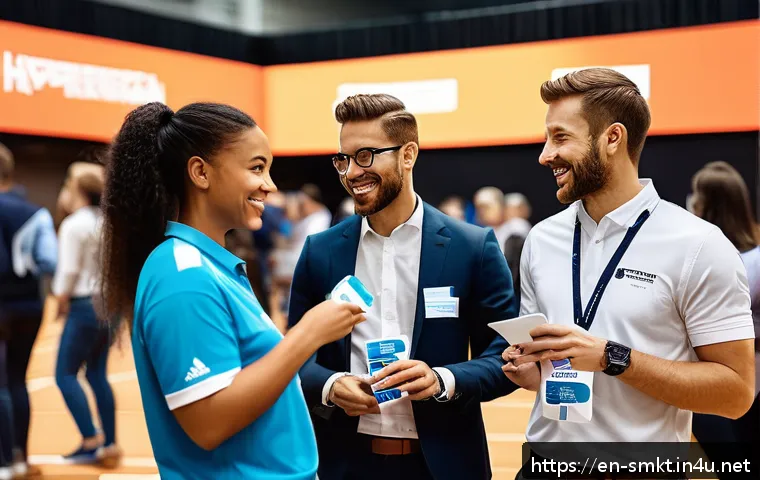
Networking isn’t just about exchanging business cards or LinkedIn requests; it’s about building meaningful connections that last. I’ve found that taking time to learn about someone’s career journey, challenges, and goals creates a foundation of trust and mutual respect.
Attend industry events, join relevant online groups, and engage thoughtfully—comment on others’ posts or share resources without expecting immediate returns.
This approach often leads to organic opportunities and collaborations that feel more authentic and rewarding.
Utilizing Mentorship for Growth
Having a mentor in sports marketing can accelerate your career trajectory. Mentors provide guidance, open doors, and help navigate industry nuances. When I sought mentorship early on, it helped me avoid common pitfalls and sharpen my skills faster.
Don’t hesitate to reach out to seasoned professionals with a clear ask and show genuine interest in their expertise. Many are willing to share advice if approached respectfully.
Remember, mentorship is a two-way street, so find ways to offer value back, whether through research support or connecting them to your network.
Engaging with Diverse Communities
The sports industry is global and diverse, so expanding your network beyond your immediate circle is crucial. Engaging with professionals from different backgrounds, roles, and regions enriches your perspective and opens up unexpected opportunities.
I’ve participated in webinars and forums focusing on international sports marketing trends, which broadened my understanding and introduced me to contacts I wouldn’t have met otherwise.
Embrace diversity as a strength and actively seek out new voices in the field.
Harnessing Social Media for Brand Growth
Choosing the Right Platforms for Your Audience
Not all social media channels serve the same purpose. For sports marketing professionals, it’s vital to identify where your target audience—whether fans, sponsors, or industry peers—spends their time.
In my experience, LinkedIn is excellent for B2B connections and thought leadership, while Instagram and TikTok excel at visual storytelling and fan engagement.
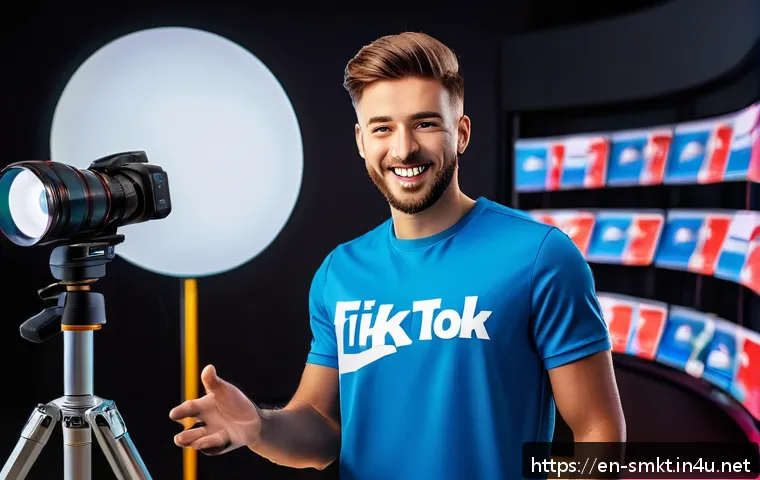
Tailor your content to fit each platform’s culture and format. For example, short, energetic videos perform well on TikTok, whereas detailed case studies suit LinkedIn posts better.
Creating Engaging and Shareable Content
Content is king, but engagement is the kingdom. I learned that the most successful posts are those that encourage interaction—whether through polls, questions, or behind-the-scenes glimpses.
Fans love feeling part of the story, so incorporating user-generated content or live Q&A sessions can boost visibility and foster loyalty. Keep experimenting with formats and timing to discover what resonates most with your audience, then double down on those tactics.
Measuring Social Media Impact
Tracking your social media performance goes beyond counting likes. Focus on metrics like engagement rate, follower growth, click-throughs, and conversion rates to evaluate the effectiveness of your strategy.
I use tools like Hootsuite and native analytics to monitor these indicators and adjust my content calendar accordingly. Understanding what drives meaningful interactions helps you refine your approach and demonstrate value to potential employers or sponsors.
Developing Versatile Skills for Future-Proofing Your Career
Embracing Continuous Learning and Adaptation
The sports marketing landscape evolves rapidly, with new technologies and consumer behaviors constantly emerging. Staying relevant means committing to lifelong learning.
I make it a habit to enroll in online courses, attend workshops, and read industry reports regularly. This habit not only keeps my skills sharp but also signals to employers that I’m proactive and forward-thinking.
Flexibility and a growth mindset are your best allies in an ever-changing field.
Expanding Cross-Functional Expertise
Specializing is important, but having a broad skill set adds resilience. I’ve benefited greatly from gaining knowledge in adjacent areas like digital advertising, content creation, and event management.
This versatility allows me to contribute in multiple ways and adapt when roles or priorities shift. Consider shadowing colleagues in other departments or volunteering for projects outside your comfort zone to build a more comprehensive portfolio.
Balancing Technical Know-How with Soft Skills
Technical skills such as SEO, CRM, or video editing are valuable, but so are communication, teamwork, and emotional intelligence. I’ve noticed that projects often succeed or fail based on how well people collaborate and handle challenges, not just technical execution.
Prioritize developing empathy, active listening, and conflict resolution alongside your hard skills. This holistic approach will make you a more effective marketer and a trusted team member.
Monetizing Your Sports Marketing Expertise
Offering Consultancy and Freelance Services
Once you’ve built credibility, consulting can be a lucrative way to monetize your knowledge. I started by advising small sports startups and local teams, which not only supplemented my income but also expanded my network.
To succeed here, clearly define your niche and package your services with transparent pricing and deliverables. Building testimonials and case studies will help attract bigger clients over time.
Creating Educational Content and Courses
Sharing what you know through workshops, webinars, or online courses can generate passive income and establish authority. I created a mini-course on social media strategies for sports brands, which received positive feedback and led to speaking invitations.
Platforms like Udemy or Teachable make it easy to launch your content, but success depends on delivering actionable, high-quality material that addresses real challenges faced by your audience.
Leveraging Affiliate Marketing and Sponsorships
If you maintain a strong personal brand on social media or a blog, affiliate marketing and sponsorships can become viable revenue streams. By partnering with sports-related products or services you genuinely believe in, you can earn commissions or fees while providing value to your followers.
Authenticity is key—your audience will quickly notice if promotions feel forced or irrelevant. Transparency about partnerships also builds trust and long-term engagement.
| Career Growth Strategy | Key Actions | Benefits |
|---|---|---|
| Personal Branding | Identify unique skills, maintain consistent online presence, use storytelling | Stronger recognition, trust, and differentiation in a crowded market |
| Data-Driven Marketing | Analyze fan behavior, measure sponsorship ROI, balance creativity with data | Improved campaign effectiveness, satisfied sponsors, innovative approaches |
| Networking | Build genuine relationships, seek mentorship, engage diverse communities | Access to opportunities, faster learning, broader perspectives |
| Social Media | Choose right platforms, create engaging content, track performance | Increased visibility, fan engagement, measurable results |
| Skill Development | Continuous learning, expand expertise, develop soft skills | Career resilience, adaptability, leadership potential |
| Monetization | Consulting, educational content, affiliate marketing | Additional income streams, authority building, audience trust |
Conclusion
Building a personal brand in sports marketing requires a blend of authenticity, consistency, and strategic storytelling. By leveraging data insights and nurturing genuine relationships, you can create lasting impact and open doors to new opportunities. Staying adaptable and continuously sharpening your skills will ensure your career thrives in this dynamic industry.
Helpful Information
1. Define your unique value clearly to stand out in a competitive sports marketing landscape.
2. Maintain a consistent and professional online presence across all digital platforms.
3. Use storytelling to make your achievements memorable and relatable to your audience.
4. Balance creativity with data-driven insights to craft innovative and effective campaigns.
5. Engage in continuous learning and networking to future-proof your career and expand your opportunities.
Key Takeaways
Establishing a strong personal brand in sports marketing hinges on showcasing your distinct strengths and maintaining consistency across all channels. Harnessing analytics empowers you to create targeted campaigns and prove sponsorship value, while authentic networking fosters meaningful connections that support growth. Combining technical skills with creativity and soft skills enhances your versatility, and monetizing your expertise through consulting or educational content can diversify your income streams. Ultimately, embracing adaptability and lifelong learning is essential to thrive in this evolving field.
Frequently Asked Questions (FAQ) 📖
Q: uestionsQ1: What are the essential skills needed to succeed in sports marketing today?
A: To thrive in sports marketing now, you need a blend of digital savvy, creativity, and strong communication skills. Being comfortable with social media platforms and data analytics is crucial since fan engagement heavily relies on digital interaction.
Also, adaptability is key—sports trends and sponsorship deals change rapidly, so staying updated and flexible helps you seize new opportunities. From my experience, building relationships and storytelling abilities set you apart because sports marketing is about connecting fans emotionally to teams and brands.
Q: How can newcomers break into the competitive sports marketing field?
A: Starting out, focus on gaining hands-on experience through internships or volunteering with sports organizations or events. Networking is equally important—attend industry conferences, join relevant online groups, and connect with professionals on LinkedIn.
I found that creating a personal brand by sharing insights on platforms like Twitter or LinkedIn helped me get noticed. Also, learning the latest digital marketing tools and trends shows potential employers that you’re proactive and ready to contribute.
Q: What strategies work best for maintaining long-term success in sports marketing?
A: Long-term success hinges on continuous learning and building authentic relationships. Keep refining your skills by taking courses or certifications related to digital marketing, sponsorships, and fan engagement.
From what I’ve seen, consistently delivering value and staying genuine with your audience fosters trust and loyalty. Plus, tracking campaign results and adjusting strategies based on data keeps your efforts effective.
Remember, sports marketing isn’t static—it evolves with fan behavior and technology, so staying curious and innovative is your best play.