Hey there, event planners and sports enthusiasts! Ever dreamt of crafting an unforgettable sports marketing event that really resonates with fans and leaves a lasting impression?
From the roaring crowds at a championship game to the buzz around a local charity run, sports events are pure magic, but making them truly shine takes a blend of creativity, precision, and a little insider know-how.
I’ve personally seen how a well-executed event can amplify a brand, engage a community, and create memories that last a lifetime, and trust me, it’s incredibly rewarding.
If you’re ready to elevate your game and transform your ideas into spectacular realities, then you’re in the right place because I’m excited to share some of my favorite strategies and golden rules.
Let’s dive right in and uncover the secrets to mastering sports marketing event planning and operations, and trust me, you won’t want to miss a single tip.
Let’s get to the bottom of it all right here!
Crafting the Vision: Setting the Stage for Success

Okay, so let’s get real. Every truly epic sports event starts with a crystal-clear vision, right? It’s not just about throwing a ball around or setting up some hurdles; it’s about imagining the entire experience from start to finish. I’ve personally been involved in projects where the initial idea was a bit hazy, and let me tell you, it made everything downstream so much harder. You need to dream big, but also be incredibly specific. What’s the core message you want to convey? Who are you trying to reach, and more importantly, how do you want them to feel? Is it pure exhilaration at a major league game, or the heartwarming camaraderie of a local community fun run? Trust me, nailing this down early saves you a ton of headaches later. It’s like building a house – you wouldn’t start laying bricks without a solid blueprint, would you?
I remember one time we were planning a youth soccer tournament, and the initial brief was just “make it fun.” That’s nice, but “fun” can mean a million things! We sat down and really dug deep, asking ourselves: “What does ‘fun’ look like for a 10-year-old? For their parents? For the volunteers?” We realized it meant vibrant team colors, enthusiastic announcers, healthy snack options, and even a little photo booth for memorable moments. This detailed vision became our North Star, guiding every decision from venue selection to marketing collateral. It makes a huge difference when everyone on your team, from the event coordinator to the marketing intern, understands the ultimate goal and the emotional experience you’re striving to create. Without that shared vision, you’re just guessing, and that’s a recipe for mediocrity.
Defining Your Event’s Purpose and Audience
This is where the rubber meets the road. Before you even think about dates or venues, you absolutely have to pin down the ‘why’ and the ‘for whom.’ Are you aiming to boost brand awareness for a new sports drink, or is it about driving ticket sales for an established team? Maybe you’re looking to foster community engagement, or even raise funds for a charitable cause. Each purpose dictates a completely different strategy. And your audience? Oh, they’re everything! Are they die-hard fans who live and breathe sports statistics, or casual spectators looking for a family-friendly outing? Understanding their demographics, their interests, and their preferred ways of engaging with content will sculpt every aspect of your event. I’ve found that creating detailed ‘attendee personas’ can be incredibly helpful here – literally imagining a few different types of people who would come to your event and what their ideal experience would be. It’s a game-changer, honestly.
Setting SMART Goals for Measurable Success
Once you’ve got that grand vision and a clear understanding of your audience, it’s time to get down to brass tacks: setting goals. But not just any goals – we’re talking SMART goals. That’s Specific, Measurable, Achievable, Relevant, and Time-bound. For instance, instead of saying “we want more attendees,” you’d say, “we aim to increase attendance by 20% compared to last year’s event, reaching 5,000 attendees within a 3-month promotional period.” See the difference? This kind of precision allows you to track progress, evaluate your tactics, and ultimately prove the success of your efforts. I can’t stress enough how vital this step is. I’ve personally seen projects flounder because their objectives were too vague to ever truly hit. Having clear, quantifiable goals keeps everyone motivated and focused, and provides tangible proof of your event’s impact, which is gold when you’re reporting back to stakeholders or sponsors.
Forging Partnerships: The Art of Sponsorship Acquisition
Let’s be honest, putting on a spectacular sports event often costs a pretty penny. That’s where sponsorships come in – they’re the lifeblood for so many amazing projects. But getting them isn’t just about sending out a generic email asking for cash. Oh no, it’s a delicate dance, a bit like matchmaking! You need to understand what potential sponsors are looking for, what their brand stands for, and how your event can genuinely align with their objectives. I’ve spent countless hours researching companies, digging into their marketing campaigns, and even stalking their social media (in a totally professional way, of course!) to find that perfect fit. When you can walk into a meeting and say, “I see your brand values X, and our event delivers Y, which perfectly complements that,” you’re already miles ahead. It’s about building a relationship, not just making a transaction. I’ve learned that sponsors want partners, not just platforms.
One time, we were struggling to secure a major sponsor for a grassroots cycling race. We kept pitching it as “great exposure,” which, while true, wasn’t specific enough. After a bit of a rethink, we focused on a local health and wellness brand that championed active lifestyles and community engagement. We tailored our pitch to highlight how our race directly promoted fitness, brought families together, and celebrated local athletic achievement, all things that resonated deeply with their brand mission. It was a completely different conversation, and we landed them! The key was moving beyond just offering logo placement and really articulating how our event embodied their values. That’s the kind of strategic thinking that truly unlocks successful partnerships and brings your event budget to life.
Identifying Your Ideal Sponsorship Targets
Not all sponsors are created equal, and honestly, not every sponsor is right for your event. This step is about being incredibly strategic. Start by brainstorming companies whose values naturally align with your event’s mission or whose target audience mirrors yours. Think beyond the obvious sports brands. Maybe it’s a local restaurant that caters to families, a tech company looking to appeal to a younger demographic, or even a sustainable energy company if your event has an eco-friendly angle. I always recommend making a list and then doing some serious homework on each potential partner. What are their current marketing initiatives? What causes do they support? Who are their competitors? The more you know, the better you can tailor your pitch to show them exactly how your event is the perfect vehicle for their marketing spend. It’s about quality over quantity here, every single time.
Crafting Compelling Sponsorship Packages
Once you know who you’re targeting, you need to present them with irresistible reasons to say “yes.” Generic bronze, silver, and gold packages might seem easy, but they rarely stand out. Instead, think about creating bespoke, value-driven packages. What unique opportunities can you offer? Is it exclusive naming rights for a specific area, experiential activations within the event footprint, or prominent digital visibility across your social channels? I’ve found that offering a mix of tangible benefits (logo placement, booth space) and intangible ones (brand association, community goodwill) works wonders. Don’t be afraid to get creative! And always, always be prepared to negotiate. Sometimes, a sponsor might not fit a predefined package but could be perfect for a custom arrangement that truly meets their specific needs. Flexibility can be your best friend in closing those deals.
Designing the Unforgettable Fan Journey
When it comes to sports events, it’s not just about the game itself anymore, is it? It’s about the entire experience, from the moment a fan thinks about buying a ticket to long after they’ve left the venue. I truly believe that the fan journey is where you can make or break an event. I’ve been to countless games and events, and the ones that stick with me are never just about the score. They’re about the atmosphere, the engagement, the little touches that make you feel truly connected. It’s about creating moments, not just selling seats. Think about it: people spend their hard-earned money and precious time to be there; you owe it to them to make it absolutely memorable. This means meticulously planning every touchpoint, anticipating their needs, and going that extra mile to sprinkle a little magic into their day. My personal mantra is: every fan interaction is an opportunity to create a superfan.
I remember attending a minor league baseball game a few years back. The team wasn’t winning, but the energy was incredible. They had a series of themed nights, interactive games between innings, and staff members who genuinely seemed thrilled to be there. They even had a “kids run the bases” after the game, which was pure joy to watch. It wasn’t the biggest budget event, but the attention to the fan experience made it feel like one. That night, despite the loss, everyone left smiling and talking about how much fun they had. That’s the power of focusing on the fan journey – it transcends the on-field performance and builds lasting loyalty. It’s about crafting an emotional connection that keeps them coming back, even if their team isn’t always victorious.
Enhancing Pre-Event Excitement and Engagement
The fun doesn’t start when the gates open; it starts long before! Building anticipation is crucial for attendance and engagement. Think about creating engaging content on social media – behind-the-scenes sneak peeks, player interviews, countdown timers, and interactive polls. Run contests and giveaways that generate buzz and collect valuable audience data. Consider early bird ticket promotions that offer exclusive perks or access. I’ve seen success with pre-event fan zones or tailgate parties that start hours before the main event, creating a festive atmosphere and giving people a reason to arrive early. Think about how you can leverage local media partnerships to build hype. The goal here is to make people feel like they’re part of something special even before they step foot in the venue. That feeling of anticipation is a powerful motivator, and it sets the stage for a fantastic experience when they finally arrive.
Creating Immersive On-Site Experiences
Once fans are at your event, you want them to be completely immersed. This means thinking beyond just seating. How can you incorporate interactive elements? Fan zones with games, photo opportunities with mascots or trophies, merchandise stalls that offer unique items, and diverse food and beverage options are just the beginning. I always push for experiential activations – things that allow fans to actively participate, whether it’s testing their throwing speed or trying out a new sports product. Consider the flow of foot traffic, clear signage, and easily accessible amenities. The goal is to minimize friction and maximize enjoyment. And don’t forget the sensory experience: great music, dynamic video displays, and engaging live commentators all contribute to the overall vibe. When done right, these elements transform a simple game or competition into a festival of sport and entertainment.
Mastering the Logistics: Smooth Operations from Start to Finish
Alright, so you’ve got the vision, the sponsors, and a killer fan experience planned. But none of that matters if the event itself is a logistical nightmare! This is where the magic of meticulous planning truly shines. I’ve learned the hard way that a detailed operational plan is your best friend. We’re talking about everything from crowd management and security to vendor coordination and emergency protocols. It’s the invisible backbone of any successful event, and when it’s done right, attendees won’t even notice it – which is precisely the point! They’ll just have a seamless, enjoyable experience. But if something goes wrong, oh boy, does everyone notice. I’ve personally walked through venues countless times, trying to spot potential bottlenecks, imagining every possible scenario, and making sure we have a solution for it. It’s exhausting, but absolutely critical for peace of mind.
I distinctly remember an outdoor festival where we had underestimated the peak foot traffic for food vendors. The lines were insane, and people were getting frustrated. We quickly realized we needed more staff, better queue management, and even brought in a few additional pop-up food trucks on short notice. It was a scramble, but we learned a valuable lesson: anticipate the worst and plan for flexibility. Ever since then, I always build in contingencies and over-communicate with all operational teams. It’s not just about having a plan A; you need a plan B, C, and sometimes even a D! From power supply to waste management, every single detail needs to be thought through. It’s the less glamorous side of event planning, but undeniably the most important for execution.
Venue Selection and Infrastructure Management
Choosing the right venue is more than just picking a cool-looking place; it’s about functionality. Does it have the capacity for your expected crowd? Are there adequate parking facilities, or is public transport easily accessible? What about power, water, and internet connectivity? These are basic, but absolutely essential questions. Beyond that, consider the layout: where will the stages be, the fan zones, the first aid stations, and the restrooms? Infrastructure management also extends to ensuring all equipment – sound systems, video screens, lighting – is tested and redundant systems are in place. I always do multiple site visits, often with key operational team members, to visualize the event flow and identify any potential pinch points. It’s also crucial to work closely with venue staff, as their local knowledge is invaluable. They often know the quirks and best practices that aren’t immediately obvious.
Staffing, Training, and Emergency Preparedness
Your staff are the face of your event, and their competence can elevate or detract from the entire experience. This means careful recruitment, thorough training on their specific roles, and a clear understanding of the overall event goals and emergency procedures. From ticket scanners to security personnel, every team member needs to know their responsibilities and how to handle common issues. And let’s talk about emergencies – because they happen. You need a robust emergency plan covering everything from medical incidents and severe weather to security threats. This includes clear communication protocols, designated assembly points, and coordination with local emergency services. Conducting drills or tabletop exercises with key personnel can make a huge difference in ensuring a swift and effective response. It’s all about being prepared for anything, so you can keep everyone safe and make quick, informed decisions when pressure is high.
| Operational Aspect | Key Considerations | Best Practices |
|---|---|---|
| Site Layout & Flow | Crowd movement, bottlenecks, entry/exit points | Clear signage, one-way systems where needed, designated zones for different activities |
| Staffing & Volunteers | Roles, responsibilities, breaks, communication | Thorough training, clear command structure, visible uniforms, emergency contact info |
| Health & Safety | First aid, medical services, emergency exits, security | Ample medical stations, AEDs, trained security personnel, clear evacuation routes |
| Logistics & Vendors | Equipment delivery, waste management, supplier coordination | Detailed load-in/load-out schedules, designated waste collection points, clear vendor contracts |
| Communication | Internal team, external stakeholders, public announcements | Radios for staff, public address system, social media updates, emergency alert system |
Unleashing Digital Power: Amplifying Your Event’s Reach
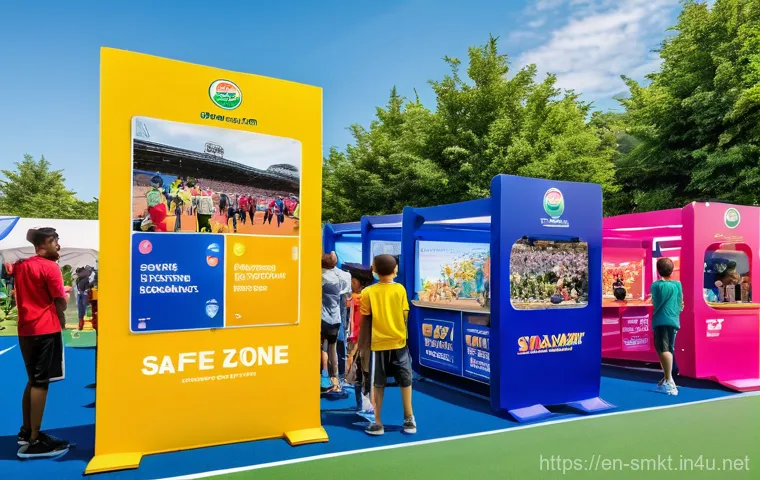
In today’s connected world, if your sports event isn’t rocking the digital space, you’re seriously missing out. Digital marketing isn’t just an add-on; it’s absolutely integral to getting the word out, building hype, and engaging with your audience. I’ve seen firsthand how a well-executed digital strategy can transform a local gathering into a national conversation. It’s about more than just posting on Facebook; it’s about crafting a cohesive narrative across various platforms, using data to inform your decisions, and creating content that truly resonates. The beauty of digital is its ability to reach people wherever they are, anytime. And let’s be real, everyone’s glued to their phones these days, right? So, your event needs to be there, too, making noise and capturing attention. From the moment you announce your event until the final recap, digital channels are your loudspeakers, your photo albums, and your direct line to your community.
I vividly recall a time we launched a new extreme sports competition. Our traditional advertising was doing okay, but once we pivoted heavily into digital, that’s when things really took off. We created short, punchy videos of athletes training, ran contests asking fans to predict winners, and even live-streamed snippets of practice runs. Our Instagram blew up, and our ticket sales soared. We found that giving people a peek behind the curtain and involving them in the narrative made them feel invested. It wasn’t just about watching; it was about being part of the journey. That experience cemented my belief that digital isn’t just a marketing tool; it’s a community-building engine that can amplify the emotional impact of any sports event far beyond the physical boundaries of the venue.
Strategic Social Media Engagement
Social media is your event’s virtual front door, and you need to make it welcoming and exciting. It’s not just about broadcasting information; it’s about fostering a community. Use platforms like Instagram, TikTok, X (formerly Twitter), and Facebook to share captivating visuals, behind-the-scenes glimpses, and engaging polls. Encourage user-generated content by creating a unique hashtag and running contests for the best fan photos or videos. Consider live Q&A sessions with athletes or organizers to build excitement. I’ve found that responding to comments and messages promptly makes a huge difference in making fans feel heard and valued. It’s all about creating a two-way conversation that makes people feel truly connected to your event, not just passive observers. A strong, active social media presence can turn casual interest into genuine fanaticism.
Leveraging Content Marketing and Influencer Collaborations
Beyond social posts, a solid content marketing strategy is essential. This could involve blog posts on your event website featuring athlete profiles, training tips, or historical facts related to your sport. Create compelling video content – highlight reels, emotional storytelling pieces, or even mini-documentaries. And don’t underestimate the power of influencers! Partnering with local sports personalities, fitness bloggers, or even popular YouTubers who align with your event’s vibe can dramatically expand your reach and lend immense credibility. They can share authentic experiences with their engaged followers, which often feels more trustworthy than traditional advertising. I’ve seen influencer collaborations generate incredible buzz and drive ticket sales in ways that traditional ads simply couldn’t touch. Just make sure their audience truly aligns with yours for maximum impact.
Measuring What Matters: Proving Your Event’s Impact
After all that hard work, the vision, the partnerships, the fan experience, and the logistical gymnastics – how do you know if it all actually paid off? This is where measuring success comes in, and trust me, it’s about more than just counting ticket stubs. While attendance numbers are great, understanding the deeper impact of your event is what truly elevates your game and secures future investment. You need to be able to tell a compelling story about your event’s value, not just present a spreadsheet. I’ve personally learned that collecting and analyzing data from various touchpoints allows you to paint a much richer picture of success, providing invaluable insights for future planning and demonstrating clear ROI to your sponsors and stakeholders. It’s the difference between saying “it went well” and confidently stating “we achieved X, Y, and Z, resulting in A, B, and C.”
I remember a particular charity run where we focused not just on the money raised, but also on the community engagement metrics. We tracked social media mentions, local news coverage, and even surveyed participants about their sense of community pride. The results showed that beyond the significant funds raised, the event had created a tangible boost in local morale and strengthened neighborhood ties. This additional data was incredibly powerful when we approached sponsors for the following year, as it demonstrated a broader, more impactful return on their investment than just financial figures. Measuring what truly matters allows you to showcase the multifaceted success of your event and prove its lasting value, making it easier to secure resources and support for your next big idea.
Key Performance Indicators (KPIs) for Events
Defining your Key Performance Indicators (KPIs) upfront is non-negotiable. These are the specific, measurable metrics that will tell you if you’re hitting your goals. For ticketed events, obvious KPIs include attendance figures, ticket sales revenue, and conversion rates from marketing campaigns. But think broader: what about website traffic, social media engagement rates (likes, shares, comments), media impressions, or even merchandise sales per attendee? If community engagement is a goal, consider surveys on participant satisfaction or local sentiment. For sponsors, track brand mentions, website referrals from your event page, or leads generated through their on-site activations. The clearer your KPIs, the more accurately you can assess your performance and identify areas for improvement. I always tell my team: if you can’t measure it, you can’t improve it.
Gathering Feedback and Post-Event Analysis
The event doesn’t end when the last fan leaves. Post-event analysis is where you truly learn and grow. This involves systematically gathering feedback from attendees (surveys are great for this!), sponsors, vendors, and your own staff. Ask specific questions about what worked well, what could be improved, and what unexpected challenges arose. Combine this qualitative feedback with your quantitative KPI data to get a comprehensive understanding of your event’s performance. Conduct a debriefing session with your core team to dissect every aspect, celebrating successes and identifying concrete action items for future events. This reflective process is absolutely crucial for continuous improvement. I’ve found that even the most successful events have areas for refinement, and embracing this feedback loop is what truly differentiates a good event planner from a great one.
Navigating the Unexpected: Contingency Planning for Peace of Mind
Let’s face it, no matter how meticulously you plan, something unexpected is bound to pop up. That’s just the nature of live events! Whether it’s a sudden downpour, a last-minute vendor issue, or an unforeseen technical glitch, you need to be ready to pivot. I’ve personally been in situations where the best-laid plans evaporated in minutes, and it was only through solid contingency planning that we managed to save the day (and my sanity!). This isn’t about being pessimistic; it’s about being pragmatic. It’s about having a robust backup plan, and then another backup for that backup. The goal is to minimize disruption, maintain safety, and ensure the fan experience remains as positive as possible, even when things go sideways. Trust me, having a well-thought-out “what if” strategy allows you to breathe a little easier and react with confidence rather than panic.
I distinctly remember an outdoor concert at a sports venue where a sudden, unforecasted thunderstorm rolled in just an hour before gates opened. Panic could have easily set in, but because we had a comprehensive weather contingency plan in place, we quickly activated it. This involved immediate communication with attendees via social media and email, redirecting staff to assist with shelter, and having a clear protocol for delaying or rescheduling performances. While it wasn’t ideal, our ability to react swiftly and communicate clearly prevented chaos and ensured everyone’s safety. That experience solidified for me that contingency planning isn’t just a checkbox; it’s a vital component of responsible event management and a true testament to professionalism. It’s about building resilience into your operations so that even when the unexpected hits, your event can weather the storm.
Identifying Potential Risks and Developing Protocols
The first step in contingency planning is a thorough risk assessment. Gather your team and brainstorm every conceivable thing that could go wrong, no matter how unlikely it seems. Think about weather-related issues, technical failures (power, sound, internet), security breaches, medical emergencies, staff no-shows, vendor problems, or even a sudden drop in attendance. For each identified risk, develop a clear, step-by-step protocol for how your team will respond. Who is responsible for what? What are the communication channels? What resources are needed? I often create a detailed “crisis playbook” that outlines these scenarios and responses, ensuring that everyone on the core team knows their role in an emergency. It’s not about preventing every problem, but about having a clear, actionable plan to mitigate its impact.
Building Flexibility into Your Event Design and Budget
A rigid event plan is a fragile one. Building flexibility into your design and budget is a crucial component of contingency planning. This might mean having alternative indoor spaces identified for outdoor events, or securing backup equipment suppliers. In terms of budget, always allocate a contingency fund – I usually aim for 10-15% of the total budget – specifically for unexpected expenses. This buffer can be a lifesaver when you need to make last-minute purchases or bring in additional resources. Additionally, cross-training your staff so they can cover multiple roles can provide valuable operational flexibility. The more adaptable your plan and your resources, the better equipped you’ll be to handle whatever challenges come your way without derailing the entire event. Think of it as investing in peace of mind.
Wrapping Things Up
And there you have it, folks! Crafting a truly memorable sports event is an incredible journey, a real labor of love that demands passion, precision, and a whole lot of heart. I’ve been in the trenches enough times to know it’s never easy, but that feeling when you see thousands of people cheering, connecting, and making memories – it’s absolutely priceless. My hope is that sharing these insights, born from countless early mornings and late nights, gives you a solid playbook to elevate your next event from good to genuinely legendary. Remember, every challenge is just an opportunity to innovate and show everyone what you’re truly made of. So go out there, dream big, plan meticulously, and create something spectacular that leaves a lasting impact!
Useful Information to Know
1. Start with the ‘Why’: Before diving into logistics, clearly define your event’s core purpose and desired impact. This North Star will guide every subsequent decision, ensuring consistency and a clear message.
2. Build a Dream Team: Surround yourself with dedicated, capable individuals. Empower them, trust their expertise, and foster open communication. A strong team is your greatest asset in navigating the complexities of event planning.
3. Embrace Technology: Leverage digital tools for everything from ticketing and registration to communication and fan engagement. A robust tech stack can streamline operations and significantly enhance the attendee experience.
4. Network Relentlessly: Forge relationships with local businesses, community leaders, and media contacts. Strong networks can unlock sponsorship opportunities, vital partnerships, and broader promotional reach.
5. Post-Event Reflection is Gold: Don’t just pack up and move on. Dedicate time to thoroughly analyze feedback and data. This invaluable insight is the key to continuous improvement and ensuring each subsequent event is even better than the last.
Key Takeaways
Successful sports event planning hinges on a holistic approach that intertwines a clear vision with meticulous execution. From defining compelling goals and securing strategic partnerships to crafting an unforgettable fan journey and mastering intricate logistics, every element plays a crucial role. Embrace digital amplification to expand your reach, and always measure your impact to demonstrate tangible value. Most importantly, anticipate the unexpected by building robust contingency plans – because preparedness is the ultimate secret weapon for peace of mind in the dynamic world of live events. It’s about creating an experience that resonates long after the final whistle blows, built on a foundation of professional excellence and genuine passion.
Frequently Asked Questions (FAQ) 📖
Q: What’s the secret to making a sports marketing event truly unforgettable and impactful?
A: Oh, this is a question I get asked all the time, and for good reason! From my experience, the real magic isn’t just in the big splashy moments, it’s in crafting an emotional connection.
Think about it: when I attended the “Miracle Mile” run last year, it wasn’t just the finish line that stuck with me; it was the story of the oldest participant completing it, and the entire community cheering her on.
So, my biggest tip? Focus on storytelling. What narrative can you build around your event, your brand, or your athletes?
Weave in genuine human interest stories, highlight personal triumphs, and create moments that resonate on a deeper level. This could be through compelling video content, interactive fan zones that share athlete journeys, or even unique charity partnerships that give the event a meaningful purpose beyond the game itself.
When you tap into those raw emotions – excitement, pride, even a little bit of awe – that’s when you transform a fleeting moment into a cherished memory.
Trust me, people remember how an event made them feel, not just what they saw.
Q: How can I ensure my sports event actually engages the community and amplifies a brand effectively?
A: This is where the rubber meets the road, isn’t it? It’s not enough to just open the gates; you need to truly invite people into the experience. I’ve found that the most successful events are those that embrace true community participation.
Don’t just show them the show; let them be a part of it! Think about local youth sports clinics hosted by pro athletes attending your event, or maybe even fan voting for game-day challenges.
For a brand, this is gold. When fans feel invested, they become your most passionate advocates. My go-to strategy is creating interactive experiences that are shareable – think photo booths with team mascots, augmented reality games, or even live fan-generated content displayed on big screens.
When people are actively participating and sharing their experiences on social media, your brand gets an organic, authentic boost that no ad campaign can replicate.
It’s about building a tribe around your event, and when you do that, the brand amplification happens almost effortlessly because it comes from a place of genuine connection and excitement.
Q: What are some practical steps or “golden rules” for mastering the planning and operations of a successful sports marketing event?
A: Alright, let’s get down to the nitty-gritty! After years of seeing what works and, let’s be honest, what definitely doesn’t, I’ve got three non-negotiables.
First, meticulous budgeting is your best friend. Seriously, I’ve seen incredible ideas fall flat because the numbers weren’t tight. Build in a contingency fund – at least 10-15% – for those inevitable curveballs.
Second, communication is key. And I mean over-communication. With your team, your vendors, your sponsors, and especially with your audience.
Clear, concise, and frequent updates prevent so many headaches. I learned this the hard way once when a vendor wasn’t clear on delivery times, and it almost threw our whole schedule off!
Lastly, embrace technology. From seamless online ticketing to robust event management software, leveraging the right tools can streamline operations, enhance the fan experience, and provide invaluable data for future events.
Don’t be afraid to innovate! While the core of planning might seem straightforward, these three “golden rules” – smart budgeting, relentless communication, and embracing tech – are the unsung heroes that ensure your spectacular vision comes to life without a hitch.