Hey there, sports marketing enthusiasts! Have you ever wondered what truly separates the winning startups from the rest in this incredibly dynamic field?
It’s not just about a great idea anymore; it’s about harnessing cutting-edge tech and crafting experiences that resonate deeply with fans worldwide. From my own journey watching this industry grow, I’ve seen firsthand how passion, smart strategy, and a relentless drive can turn a small spark into a roaring success.
If you’re looking to dive into the secrets of those who’ve made it big, or simply curious about the next wave of innovation, you’re in for a treat. Let’s uncover some truly phenomenal sports marketing startup success stories, and get you ready for your own game-changing moves!
Crafting Immersive Fan Experiences Through Revolutionary Tech
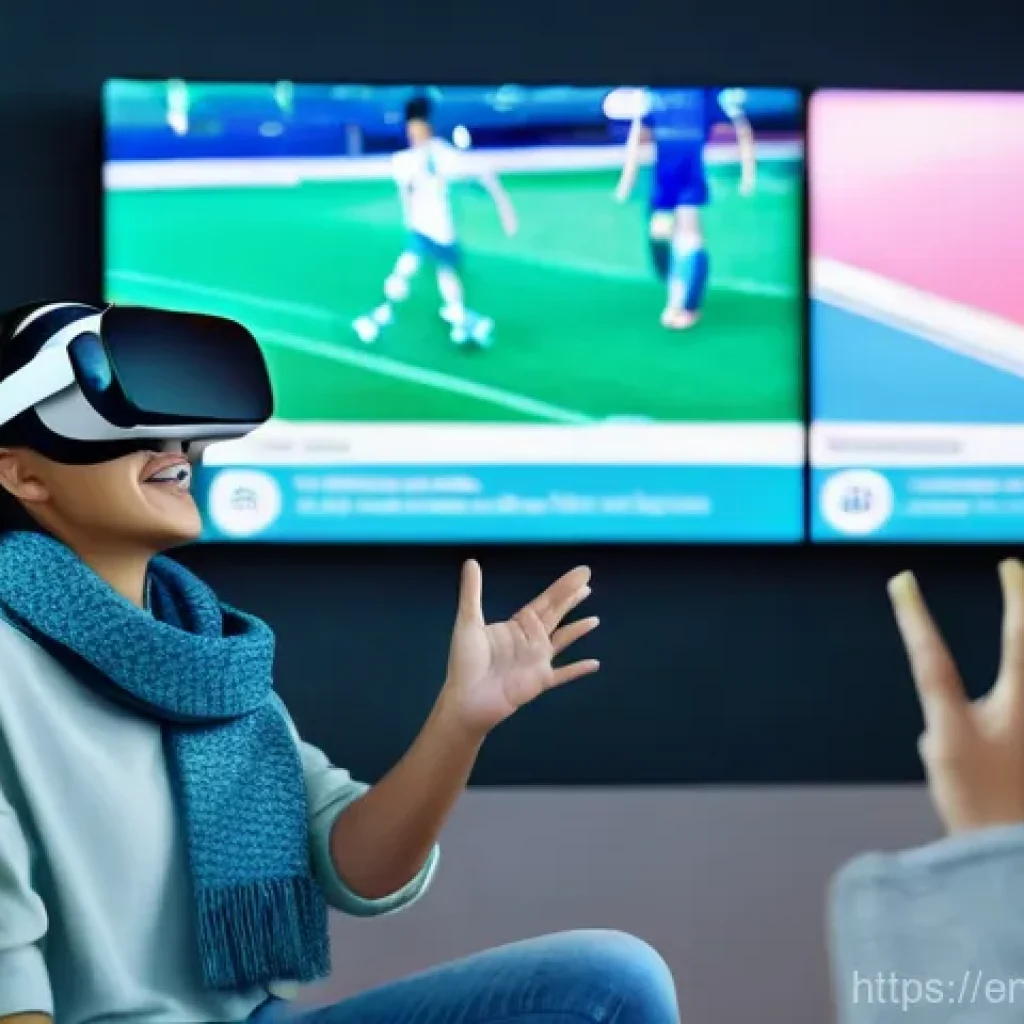
Honestly, when I first started tracking the sports marketing scene, I was blown away by how quickly things were changing. It wasn’t just about showing up to a game anymore; it was about truly *feeling* every moment, whether you were in the stands or on your couch. We’re talking about startups that have completely rewritten the playbook on fan engagement by leaning hard into immersive technologies. Imagine stepping into a virtual stadium, getting a courtside view from your living room, or even interacting with players in augmented reality. It’s like something out of a sci-fi movie, but it’s happening right now! These innovators are making sports more personal, more interactive, and frankly, a whole lot more exciting for everyone involved. What I’ve really noticed is that the most successful ventures aren’t just adopting new tech, they’re reimagining the entire fan journey from start to finish. It’s about building a connection that goes way beyond the ninety minutes of play, creating lasting memories and a sense of belonging that traditional broadcasting simply can’t achieve.
Bringing the Game to Life with VR and AR
Think about it: who wouldn’t want to feel like they’re right there on the field, experiencing the roar of the crowd and the intensity of the game? That’s exactly what virtual reality (VR) and augmented reality (AR) startups are delivering. I’ve seen some incredible examples, like apps that let you get a 360-degree view from anywhere in the stadium, or even virtually walk through the locker rooms before a big match. Companies like Immersiv.io are enhancing spectator experiences with AR solutions for live event broadcasting, giving fans real-time stats and game analytics overlaid right onto their view. It’s not just for training anymore; it’s about giving fans a deeply personal and interactive perspective that was once impossible. And it’s not just about a cool gimmick; these technologies are boosting engagement and driving new revenue streams by offering exclusive, premium experiences that fans are genuinely eager to pay for. I mean, getting to “meet” your favorite player virtually? That’s a game-changer!
Interactive Platforms and Personalized Content Delivery
Beyond the visual spectacle, the smartest startups are building platforms that encourage active participation rather than just passive viewing. I’ve always believed that fans want to be part of the story, not just observe it. Platforms like FanFest offer token-gated virtual experiences, interactive live shows, and gamified interactions, turning fandom into a truly immersive community. Then there are companies like InCrowd, with their digital experience platform, allowing clubs to deliver marketing campaigns through data capture, audience segmentation, and content management. They’re even creating custom quizzes and polls during games, transforming static viewership into a dynamic, two-way conversation. It’s about knowing your audience, tailoring content to their unique interests, and giving them tools to feel truly connected to their team. When you can deliver content that feels like it was made just for *you*, that’s when you really win over a fan.
Unlocking Fan Loyalty Through Data-Driven Personalization
If there’s one thing I’ve learned in this business, it’s that data isn’t just numbers; it’s the heartbeat of understanding your audience. The most successful sports marketing startups today aren’t just guessing what fans want; they’re *knowing* it, down to the smallest detail. It’s fascinating to watch how they leverage analytics and AI to create marketing strategies that feel incredibly personal and relevant, almost as if the brand is reading your mind. I remember talking to a founder once who told me, “If you’re not personalizing, you’re just broadcasting into the void.” That really stuck with me. This approach isn’t just about sending out generic emails; it’s about anticipating desires, tailoring offers, and building a relationship that feels genuinely one-to-one, leading to much higher engagement and, of course, better monetization. It’s truly incredible how much impact a finely tuned data strategy can have on fan loyalty and revenue.
AI and Analytics for Deeper Fan Understanding
Artificial intelligence and advanced analytics are no longer futuristic concepts; they are the bedrock of modern sports marketing. Companies like IBM, with their Watson AI platform, are helping broadcasters and teams deliver real-time insights and predictive match analysis, crafting highlight reels based on crowd reactions and game statistics. What this means for us marketers is an unprecedented ability to understand fan behavior, preferences, and spending habits. By analyzing vast amounts of data, startups can segment their audience with precision, identifying different fan personas and tailoring messages accordingly. I’ve personally seen how a small adjustment in targeting, backed by solid data, can dramatically increase conversion rates and keep fans coming back for more. It’s like having a crystal ball, but instead of magic, it’s all about smart technology and a deep dive into what makes fans tick.
Tailored Content and Targeted Campaigns
Once you understand your audience, the real magic happens: delivering content and campaigns that resonate deeply. Personalized marketing is no longer optional; it’s absolutely essential. I’ve seen teams use data to offer fans personalized discounts on specific games or merchandise based on their past attendance and purchase history. Imagine getting an email about a special offer for tickets to see your favorite player, or a custom notification about content featuring highlights from *their* best plays. That’s the power of data-driven personalization. These targeted approaches, from customized email campaigns to location-based social media ads, not only boost engagement and loyalty but also significantly drive revenue growth. It’s about making every fan feel valued and understood, transforming them from casual observers into passionate advocates for the team or brand.
Building Authentic Connections Through Community and Influence
You know, there’s something truly special about the shared passion that sports ignite. It’s not just about the game; it’s about the community, the camaraderie, and the feeling of belonging to something bigger than yourself. I’ve always felt that the most powerful marketing taps into these deep emotional connections. In today’s digital age, startups are leveraging social media and the authentic voices of influencers to build incredibly vibrant communities around sports brands. It’s a shift from one-way broadcasting to genuine conversation, where fans can interact directly with athletes and each other. This creates a powerful sense of ownership and loyalty that money simply can’t buy. I’ve witnessed firsthand how a well-executed influencer campaign can transform a niche brand into a household name, simply by fostering real, human connections and giving fans a voice. It’s about trust, shared values, and making everyone feel like they’re part of the team.
Leveraging Influencers for Genuine Engagement
Forget the old celebrity endorsements; today’s sports marketing thrives on authentic influencers. These aren’t just famous athletes, but also content creators and passionate fans who genuinely love the sport they represent. I’ve seen startups partner with marathon runners to promote running gear or basketball enthusiasts to share workout routines, creating content that feels incredibly real and relatable. This strategy taps into the influencer’s credibility and their loyal following, allowing brands to connect with target audiences on a much deeper level. The beauty of it is the cost-effectiveness compared to traditional advertising, yielding high engagement rates without the hefty price tag. It’s about finding the right voices that truly embody your brand’s values, leading to campaigns that resonate, drive growth, and foster undeniable loyalty. I’ve often thought that a single authentic endorsement from a trusted influencer is worth a hundred glossy magazine ads.
Fostering Interactive Social Communities
Social media isn’t just for sharing highlights anymore; it’s a vital tool for community building. Startups are creating interactive campaigns, from hashtag challenges to live Q&A sessions with athletes, to boost engagement and create a sense of belonging. The Dallas Mavericks, for example, have absolutely nailed year-round fan engagement by tapping local influencers who build an authentic, community-driven vibe around the team, even in the off-season. This approach extends the fan experience beyond game day, keeping the conversation alive and fostering deeper connections. When fans can interact directly with their heroes or participate in polls and discussions, they feel a stronger emotional bond with the team or brand. It’s about transforming spectators into active participants and turning social platforms into vibrant hubs where passion for the game can truly flourish.
Beyond the Game: Crafting Memorable Experiential Marketing
I’ve always believed that the best marketing isn’t just about telling a story; it’s about *creating* an experience that people can immerse themselves in. In sports, where emotions run so high, this is absolutely crucial. Startups that are winning big are those that go beyond traditional advertising and build unique, multi-sensory experiences that resonate deeply with fans. These aren’t just pop-up shops; we’re talking about elaborate activations that make you feel like you’re part of something truly extraordinary. It’s about turning a casual interest into a passionate memory, fostering loyalty that lasts long after the final whistle. From my perspective, this is where brands truly shine, by offering something tangible and memorable that connects with fans on a profoundly personal level. It’s about creating moments that people will talk about for years, transforming spectators into active participants in a brand’s narrative.
Interactive Events and Brand Activations
Experiential marketing in sports is all about bringing brands to life in unforgettable ways. I’ve seen some fantastic examples, like Adidas’s “D Rose Jump Store” in London, where fans had to jump ten feet to win a pair of sneakers, effectively making Derrick Rose a star in a football-dominated country. Red Bull, of course, is a master of this, with events like Flugtag, which combine sports, creativity, and community participation. These aren’t just product displays; they’re immersive interactions where fans can “try before they buy” in game-like scenarios, creating a direct, hands-on connection with the brand. This kind of interactive engagement doesn’t just build awareness; it builds powerful, positive associations that can translate into lifelong brand loyalty. It’s about giving fans a story to tell, something they experienced, not just something they saw on a screen.
Strategic Partnerships for Enhanced Experiences
The smartest startups know they don’t have to go it alone. Strategic partnerships are key to amplifying experiential marketing efforts. Think about brands collaborating with major leagues or individual athletes to create unique opportunities for fans, like meeting football legends or winning game tickets. When a brand aligns itself with a beloved athlete or a major sporting event, it taps into a powerful emotional connection that already exists. For instance, the NBA’s collaboration with AT&T for the “5G Courtside Cam” allowed fans to access 360-degree views with augmented reality, reinforcing the NBA’s commitment to innovation and giving AT&T incredible exposure. These collaborations allow brands to offer richer, more diverse experiences that captivate audiences and strengthen brand affinity, creating a win-win for everyone involved.
Revolutionizing Revenue: Innovative Monetization in Sports Tech
Let’s be real, passion for sports is amazing, but a startup needs to turn that passion into profit to truly succeed and grow. I’ve been watching closely as innovative sports tech startups are absolutely smashing it when it comes to creating new revenue streams. They’re not just relying on traditional ticket sales or merchandise anymore; they’re diving deep into digital, subscriptions, and even cutting-edge concepts like fan tokens. It’s about being incredibly smart and creative in how you capture value from that immense fan engagement we’ve been talking about. What I truly admire is how these companies are finding ways to monetize while still enhancing the fan experience, making it feel less like a transaction and more like an added value. This balance is tricky, but when done right, it’s incredibly powerful and creates a sustainable business model that truly stands the test of time.
New Digital Assets and Subscription Models
The digital frontier has opened up a goldmine for sports marketing startups. I’ve seen a massive surge in companies offering exclusive content, in-depth analysis, and behind-the-scenes access through subscription models. Fans are willing to pay for premium experiences, especially when it gives them a deeper connection to their favorite teams and athletes. Think about virtual items in apps, enhanced viewing options, or personalized content that incentivizes users to invest in their experience. Beyond subscriptions, we’re seeing the rise of digital collectibles and fan tokens, which give fans a stake in their team’s journey and unlock exclusive benefits. These aren’t just digital trinkets; they’re new forms of loyalty and engagement that create tangible value for both the fan and the brand. It’s about leveraging digital scarcity and community pride to drive new forms of monetization.
Strategic Advertising and In-App Purchases
While new digital assets are exciting, smart startups haven’t forgotten the power of well-executed advertising and in-app purchases. The key, from what I’ve observed, is balancing monetization with engagement. It’s about delivering targeted ads that are genuinely relevant to users’ interests, rather than intrusive. This often means leveraging data analytics to understand user preferences and then placing native ads or reward-based ads that resonate. For example, a sports app might offer exclusive team merchandise or enhanced viewing options through in-app purchases, directly boosting revenue while adding value for the fan. This integrated approach ensures that advertising feels less like a distraction and more like a curated offering, keeping fans engaged and happy while simultaneously fueling the startup’s growth. It’s a delicate dance, but when you get the rhythm right, the results are truly impressive.
Embracing the Esports Revolution: A New Frontier in Fandom
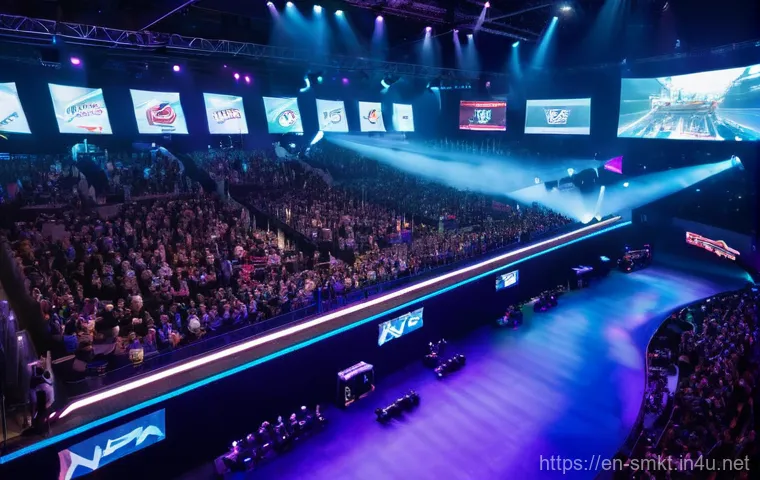
Okay, let’s talk about something that’s absolutely exploded in recent years: esports. If you haven’t been paying attention, you’re missing out on a massive wave of innovation in sports marketing. I mean, the sheer numbers of engaged viewers, especially among younger demographics, are mind-boggling. I’ve seen traditional sports brands jump in, and brand new startups emerge, all vying for a slice of this incredibly dynamic pie. It’s a completely different landscape than traditional sports, with its own culture, its own stars, and its own unique ways of connecting with fans. For a marketing enthusiast like me, it’s a thrilling challenge to see how companies are adapting and innovating to capture this audience. The creativity and energy in this space are just infectious, and it’s truly reshaping what we think of as “sports.”
Connecting with the Next Generation of Fans
Esports has undeniably become a dominant force, especially among Gen Z and millennial audiences who grew up with gaming. What I find so compelling is how easily brands can plug into this culture and play right alongside their target audience. Companies like United Esports are specialists in creating marketing solutions that resonate with 18-34 year olds, leveraging creative content and a vast network of streamers and content creators. It’s all about meeting fans where they are – on platforms like Twitch, YouTube, and TikTok – and speaking their language. We’re seeing campaigns that embed brands directly into the gaming experience, creating authentic connections that feel less like advertising and more like a natural part of the culture. This isn’t just about putting a logo on a jersey; it’s about becoming part of the narrative, something I find incredibly effective.
Innovative Partnerships and Digital Activations

The most successful esports marketing startups are forging innovative partnerships and executing clever digital activations. Brands like Red Bull and Intel have been pioneers here, sponsoring major esports tournaments and teams, becoming deeply ingrained in the scene. It’s not just about simple sponsorships anymore; it’s about creating unique content, hosting events, and even developing specialized products tailored for gamers. Think of MTN DEW AMP GAME FUEL partnering with esports teams to create energy drinks specifically for gamers to improve alertness. These collaborations go beyond mere visibility; they build trust and loyalty by showing a genuine commitment to the esports community. It’s about creating a win-win, where brands gain incredible exposure and credibility, and fans get more of what they love.
Optimizing Performance: The Tech Behind Athlete and Team Success
While much of sports marketing focuses on the fans, let’s not forget the core of it all: the athletes and teams themselves. I’ve always been fascinated by how technology is not only enhancing the spectator experience but also revolutionizing how athletes train, perform, and even market themselves. The latest wave of sports tech startups is diving deep into areas like performance analytics, AI-powered coaching, and smart wearables, pushing the boundaries of what’s possible on the field and beyond. It’s a completely different ballgame from even a decade ago, where gut instinct often trumped data. Now, every movement, every statistic, every recovery metric is being analyzed to gain that crucial competitive edge. I’ve personally seen how this precision can make a world of difference, not just in winning games, but in extending careers and building stronger athlete brands. It’s truly inspiring to see technology empower human potential in such a profound way.
Advanced Analytics for Peak Performance
The days of solely relying on a coach’s eye are rapidly fading. Modern sports are increasingly data-driven, and startups are at the forefront of this revolution. Companies are developing sophisticated platforms that capture player and ball movements in real-time, providing coaches and athletes with a deeper understanding of tactics and individual performance. Think about AI and wearables providing detailed data about athletes, predicting potential risks, and optimizing training regimens. This level of granular analysis allows teams to identify areas for improvement, tailor individual training plans, and even prevent injuries. From my experience, access to such precise data is invaluable; it helps athletes train smarter, recover more effectively, and ultimately, perform at their absolute best when it matters most. It’s like having a hyper-intelligent assistant constantly fine-tuning every aspect of performance.
Empowering Athletes as Brands
Beyond physical performance, technology is empowering athletes to build and manage their personal brands like never before. With the rise of social media, athletes are increasingly using platforms to engage with fans, share their journeys, and even launch public discussions. This isn’t just about posting cool photos; it’s about crafting a narrative, connecting with fans on a personal level, and building a loyal following that extends beyond their playing career. Startups are providing tools and strategies for athletes to optimize their social media presence, create engaging content, and even monetize their personal brand through strategic partnerships. I’ve witnessed how a strong athlete brand can open up incredible opportunities, from lucrative endorsement deals to post-career ventures, making them not just sports stars, but powerful influencers in their own right. It’s a testament to how modern sports marketing truly integrates every facet of the game.
Igniting New Passions: Expanding the Reach of Sports
You know, one of the most exciting trends I’ve been tracking in sports marketing is how startups are actively working to broaden the appeal of sports, reaching out to new demographics and even creating entirely new sports experiences. It’s not just about the major leagues anymore; it’s about inclusivity, accessibility, and tapping into passions we might not have even considered before. This isn’t just good for business; it’s genuinely heartwarming to see how innovation can bring more people into the fold, fostering a love for activity and competition across diverse communities. I’ve always felt that sports have this incredible power to unite, and these startups are truly harnessing that by breaking down barriers and opening up new avenues for engagement. It’s about making sure that everyone, regardless of background or ability, can find their place in the amazing world of sports.
Embracing Diverse Sports and Audiences
The sports landscape is far richer than just the traditional big four. I’ve seen a fantastic rise in startups focusing on niche or emerging sports, bringing them into the mainstream. Take pickleball, for instance! Companies are forming professional leagues and attracting significant investment, growing rapidly and reaching millions of viewers. It’s a testament to how new games, or even variations of existing ones, can capture immense public interest with the right marketing push. This also extends to reaching diverse audiences, ensuring that marketing efforts are inclusive and resonate across different cultural backgrounds and age groups. By celebrating a wider array of sports and actively engaging underserved communities, startups are not only expanding their market but also enriching the entire sports ecosystem, creating a more vibrant and diverse fan base for everyone. It’s about recognizing that passion for competition knows no bounds.
Innovative Platforms for Participation and Access
Accessibility is a huge factor, and startups are making incredible strides in lowering the barriers to participation. Platforms that make it easier to find and book sports facilities, connect with players, or even participate in casual leagues are booming. Companies like Playtomic, for instance, are simplifying how people get involved in racket sports, growing their user base exponentially. There’s also the rise of AI-powered coaching apps that make professional-level training accessible to amateur athletes, democratizing access to performance enhancement. These innovations are critical for fostering grassroots engagement and ensuring that the next generation of athletes and fans can easily find their entry point into sports. From my experience, when you make it easier for people to participate, you naturally build a stronger, more engaged community around your brand and the sport itself.
Sustainable Practices: Marketing with Purpose
In today’s world, it’s not enough for a brand to just sell a product or promote a team; consumers, especially younger generations, want to know that the brands they support are making a positive impact. I’ve seen a growing trend, which I absolutely love, of sports marketing startups integrating sustainability and social responsibility into their core messaging. This isn’t just about greenwashing; it’s about genuinely committing to eco-friendly practices and community engagement, and then communicating those values authentically. It creates a much deeper connection with fans who care about the planet and social causes. When a brand stands for something meaningful beyond profit, it earns respect, builds trust, and fosters a loyalty that transcends mere fandom. It’s about leveraging the powerful platform of sports to advocate for a better world, and that’s a mission I can truly get behind.
Eco-Conscious Brand Messaging
Sports marketing is increasingly recognizing its role in promoting environmental stewardship. I’ve observed startups and established brands alike weaving eco-conscious messaging into their campaigns, highlighting sustainable practices, and aligning with environmentally friendly initiatives. This can range from promoting recycled merchandise and reducing waste at events to advocating for greener transportation options for fans. When brands genuinely commit to these values and communicate them transparently, it resonates powerfully with a socially conscious audience. It’s about showing that sports can lead by example, inspiring fans to think about their own impact. I think this approach not only strengthens a brand’s image but also contributes to a more sustainable future for the industry, proving that you can do good while doing well.
Community Engagement and Social Responsibility
Beyond environmental efforts, many successful sports marketing startups are actively engaging in social responsibility initiatives, creating powerful connections within their communities. This could involve partnering with local charities, organizing events that promote inclusivity, or supporting youth sports programs. When a brand actively gives back and makes a tangible difference, it builds an incredible amount of goodwill and trust. Fans aren’t just buying into a team or a product; they’re buying into a set of values. I’ve seen firsthand how these initiatives can strengthen the emotional bond between fans and a brand, creating a sense of shared purpose that goes beyond the game itself. It’s about demonstrating that sports have the power to uplift, inspire, and drive positive change in the world, fostering a legacy that extends far beyond the scoreboard.
Mastering the Digital Narrative: Content Creation and Storytelling
In the bustling world of sports marketing, if you’re not telling a compelling story, you’re practically invisible. I’ve always been a huge believer in the power of narrative, and it’s clearer than ever that startups that truly master digital content creation and storytelling are the ones capturing hearts and minds. It’s not just about highlights and scores anymore; it’s about crafting a rich, engaging narrative around athletes, teams, and the very spirit of competition. From my journey watching countless brands try to break through the noise, I’ve realized that authenticity and emotional resonance are absolute gold. When you can make fans feel something—joy, anticipation, pride, even heartbreak—that’s when you forge a connection that transcends the screen. These innovators understand that in the digital age, every piece of content is an opportunity to deepen that narrative and pull fans closer into the story.
Crafting Engaging Multimedia Content
Today’s fans consume content across so many platforms, and the most successful startups are experts at creating diverse, engaging multimedia that captures attention. Think short-form video clips that go viral on TikTok, captivating documentaries about athletes’ journeys on YouTube, or interactive web content that allows fans to dive deep into game-day programs. It’s about providing content that’s not only visually stunning but also genuinely informative and entertaining. I’ve noticed that the brands that truly excel are those that blend professional production quality with a raw, authentic feel, making fans feel like they’re getting an exclusive, behind-the-scenes look. This kind of rich content keeps fans engaged for longer, encourages sharing, and ultimately builds a much stronger emotional connection with the brand. It’s about meeting fans where they are and giving them exactly what they crave.
Storytelling That Resonates and Inspires
At the heart of every great sports marketing campaign is a powerful story. I’ve seen firsthand how brands that tap into the emotional narratives of athletes or teams create lasting connections with audiences. Think of campaigns like Nike’s “Dream Crazy,” featuring stories of athletes overcoming struggles and achieving triumphs; it’s not just selling shoes, it’s selling inspiration. This approach fosters a sense of community among fans, making them feel like they’re part of something bigger than themselves. Startups are increasingly focusing on human-centric stories, highlighting the dedication, sacrifices, and personal journeys of athletes, which resonates deeply with fans on an emotional level. It’s about making the brand relatable and memorable, creating narratives that inspire, motivate, and stay with people long after they’ve scrolled past. When you can connect on that level, you’ve truly won the game.
| Innovation Area | Key Strategy | Fan Impact | Monetization Potential |
|---|---|---|---|
| Immersive Tech (VR/AR) | Real-time 360-degree views, interactive overlays | Enhanced engagement, personalized game experience | Premium content subscriptions, virtual tickets |
| Data-Driven Personalization | AI analytics for audience segmentation, tailored offers | Increased loyalty, relevant content delivery | Targeted advertising, personalized merchandise sales |
| Influencer Marketing | Authentic athlete/creator partnerships, community building | Deeper emotional connection, trust in brand messaging | Endorsement deals, affiliate marketing, exclusive content |
| Experiential Marketing | Interactive events, brand activations (e.g., challenges) | Memorable experiences, strong brand association | Sponsorships, event ticket sales, direct product sales |
| Esports Engagement | Gaming culture integration, streamer collaborations | Connects with Gen Z, builds digital communities | Tournament sponsorships, in-game advertising, merchandise |
Wrapping Things Up
Whew, what an incredible journey we’ve taken through the dynamic world of sports marketing and fan engagement! Looking back at everything we’ve covered, from mind-blowing VR experiences to the quiet power of data analytics, it’s clear that the landscape is constantly evolving, presenting endless opportunities. What truly stands out to me, after years of watching this space, is that genuine connection and immersive experiences are no longer optional—they’re absolutely essential. Brands and teams that embrace these revolutionary technologies and smart strategies aren’t just adapting; they’re creating entirely new paradigms for how fans interact with the sports they love. It’s about building loyalty that runs deeper than any score, fostering communities that truly feel like family, and crafting memories that last a lifetime. I genuinely believe we’re just scratching the surface of what’s possible, and that’s incredibly exciting!
Handy Insights You Won’t Want to Miss
1. Prioritize Authenticity in Your Content Strategy: In a world saturated with digital noise, what really cuts through is genuine storytelling. I’ve noticed that fans crave real, unvarnished narratives – whether it’s the gritty training routine of an athlete or the behind-the-scenes chaos of game day. When you create content that feels authentic, perhaps through micro-influencers or direct athlete engagement, you foster a deeper, more trusting relationship with your audience. My advice? Don’t just show the polished victory; show the struggle, the dedication, and the human element. This kind of raw, relatable content isn’t just shared more widely; it builds a loyal following that feels truly invested in your brand’s journey, which is gold for long-term engagement and brand affinity.
2. Harness the Power of Data for Hyper-Personalization: The days of one-size-fits-all marketing are truly behind us. From my experience, the biggest wins come when you understand your audience down to an individual level. Utilizing AI and advanced analytics allows you to segment your fan base, predict their preferences, and deliver content, offers, or experiences that feel custom-made for them. Imagine receiving an email about a special merchandise drop for your favorite player, or a notification about a local event featuring the sport you follow most closely. This precision doesn’t just increase engagement; it significantly boosts conversion rates and ensures your marketing spend is working smarter, not just harder. Personalization makes fans feel seen and valued, which is the cornerstone of enduring loyalty.
3. Embrace Emerging Platforms and Communities: The sports world isn’t confined to traditional TV broadcasts anymore. From the explosive growth of esports to the vibrant communities on platforms like Twitch, TikTok, and even Discord, your audience is everywhere. I’ve personally observed brands that have successfully tapped into these new digital territories by meeting fans where they are, speaking their language, and becoming an authentic part of their online experience. It’s not about forcing your brand into these spaces; it’s about integrating naturally, sponsoring relevant content creators, or even hosting interactive events within these platforms. This approach allows you to connect with younger demographics and build diverse, highly engaged communities that traditional channels often miss, opening up entirely new avenues for reach and interaction.
4. Integrate Sustainability and Social Responsibility: Modern consumers, especially the younger generations I often interact with, care deeply about the values of the brands they support. It’s no longer just about the product or the game; it’s about purpose. I’ve found that brands that authentically commit to environmental sustainability or impactful social causes resonate incredibly well. This could mean showcasing eco-friendly initiatives, partnering with local charities, or promoting inclusivity through sport. When your brand stands for something meaningful, and you communicate it transparently, you build a powerful emotional connection that transcends mere consumption. This kind of purpose-driven marketing not only enhances your brand image but also fosters a deeper, more meaningful loyalty among fans who want to align with a brand that shares their values.
5. Invest in Experiential Marketing to Create Unforgettable Moments: While digital engagement is crucial, there’s an undeniable magic in real-world experiences. The most impactful campaigns I’ve seen are those that bring the brand to life through interactive events and unique activations. Think pop-up challenges, immersive VR zones at games, or fan meet-and-greets that offer a tangible connection to the sport. These aren’t just fleeting moments; they create powerful, lasting memories that fans will talk about for years. This kind of marketing isn’t just about awareness; it’s about deep engagement and fostering a strong emotional bond. When fans can touch, feel, and truly participate, they become not just spectators, but active participants in your brand’s story, leading to unparalleled loyalty and advocacy.
Key Takeaways
Ultimately, the sports marketing game has transformed into a quest for authentic, immersive, and personalized fan experiences. Leveraging cutting-edge technology, embracing data-driven insights, and building vibrant communities are no longer just trends; they are the bedrock of success. By focusing on genuine connections, innovative monetization strategies, and a purpose-driven approach, brands can foster unparalleled loyalty and truly revolutionize how fans engage with the sports they adore.
Frequently Asked Questions (FAQ) 📖
Q: What’s the real secret sauce behind those sports marketing startups that go from a great idea to a massive success?
A: Oh, that’s a fantastic question, and one I get asked all the time! From my vantage point, having watched this industry explode, it’s rarely just one thing.
The real secret sauce, if you ask me, is a dynamic blend of several ingredients, all mixed with a genuine passion for the game and the fans. Firstly, it’s about cutting-edge technology, but not just for the sake of it.
We’re talking about smart tech that genuinely enhances the fan experience, whether it’s through augmented reality (AR) creating immersive stadium tours or virtual reality (VR) letting you feel like you’re courtside from your living room.
I’ve seen firsthand how startups that lean into innovations like geo-mapping for interactive venue experiences or sophisticated loyalty programs that truly reward engagement are the ones that capture hearts and minds.
Secondly, it’s the unwavering focus on the fan. Seriously, it all comes back to them! Successful startups aren’t just selling a product; they’re selling an experience, an emotion, a deeper connection to the sport they love.
This means creating personalized content, tailoring communication, and building platforms where fans can truly interact and feel part of something bigger.
Think beyond just game highlights; consider behind-the-scenes access, athlete Q&As, or even digital collectibles that offer fans a unique piece of their favorite team’s history.
And finally, it’s about smart, agile strategy. You need a clear understanding of your target audience, a unique selling proposition that makes you stand out, and compelling messaging that resonates.
It’s about leveraging social media effectively, not just as a broadcast channel, but as a two-way conversation platform, and forging strategic partnerships that expand your reach and credibility.
What I’ve personally observed is that the truly successful ones are constantly analyzing their efforts, adapting their strategies based on data, and aren’t afraid to pivot when needed.
It’s a relentless drive to innovate, always with the fan at the absolute center of every decision.
Q: Beyond just having cool tech, how do successful sports marketing startups actually use innovation to create those unforgettable fan experiences and build genuine connections?
A: That’s where the magic truly happens, isn’t it? It’s one thing to have a shiny new gadget, but how do you actually weave it into the fan experience in a way that feels organic and impactful?
My personal take is that the best startups use innovation to break down barriers and create intimacy. For example, I’ve seen companies brilliantly deploy Augmented Reality (AR) to transform the in-stadium experience.
Imagine holding up your phone at a game and seeing real-time player stats overlaid on the field, or virtual mascots appearing right next to you for a photo op.
It turns passive viewing into active participation, making you feel more connected to the action and the atmosphere. Then there’s the power of personalized engagement through data.
Successful startups are incredibly good at collecting and analyzing fan data – what content they consume, what merchandise they buy, which players they follow.
They then use these insights to offer hyper-personalized experiences. This could mean sending you exclusive content about your favorite player, offering discounts on merchandise you’ve previously shown interest in, or even recommending events based on your past attendance.
It’s about making each fan feel seen and valued, not just as a number, but as a unique individual with specific passions. This truly builds loyalty. We’re also seeing amazing things with gamification and interactive digital challenges.
Think about loyalty programs that aren’t just about points, but about competing in online mini-games, scavenger hunts at venues, or even NFT collectibles that unlock exclusive fan experiences or give fans a say in certain team decisions.
These approaches tap into the competitive spirit inherent in sports fans and create a sense of community and achievement. It’s no longer just about watching; it’s about playing, earning, and belonging.
It really shifts the fan from being a spectator to being an active, invested participant in the journey of their beloved team or sport.
Q: For someone just starting out or looking to scale their sports marketing venture, what’s one piece of advice you’d give to navigate this fast-paced world and truly make a lasting impact?
A: If I had to pick just one piece of advice – and believe me, it’s tough to narrow it down! – it would be this: Build your foundation on absolute authenticity and unwavering transparency.
In this incredibly crowded and fast-moving digital landscape, what truly makes a lasting impact isn’t the flashiest campaign or the biggest budget, but genuine connection and trust.
I’ve seen too many startups, in their rush to gain traction, try to mimic trends without understanding their audience or even misrepresent what they offer.
That’s a surefire way to lose trust faster than a fumbled football. Instead, focus on truly understanding what your brand stands for, what unique value you bring to the sports world, and then communicate that honestly and consistently.
It means being transparent about your processes, your pricing, and especially your values. Think about it: sports fans are some of the most passionate and emotionally invested consumers out there.
They can spot a fake a mile away. So, my advice is to “under-promise and over-deliver” rather than the other way around. Share real stories, listen intently to feedback – yes, even the tough stuff – and let those interactions shape your growth.
I always tell people, if you nurture authentic relationships with your community, your customers will not only stick with you through thick and thin, but they’ll become your most enthusiastic advocates.
That kind of word-of-mouth marketing, built on genuine trust and a real, human connection, is more powerful than any ad campaign you could ever run. It’s about being real, being consistent, and truly caring about the people you’re serving.